In brief
The opening of the electric railway has not only enhanced connectivity but also positioned Tanzania as a leader in sustainable transport innovation in East Africa.
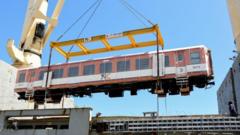
The vibrant new railway terminal in Dar es Salaam, crafted to mirror the illustrious Tanzanian gemstone tanzanite, heralds a transformative phase in Tanzania’s transport sector. Its gleaming glass façade reflects the country’s commitment to modernity and efficiency, while introducing electric train services for the first time in the region. The trains now ferry passengers from Dar es Salaam to the capital, Dodoma, in under four hours—a significant reduction compared to traditional road travel.Inaugurated in August, this railway is a key component of Tanzania's ambitious 2,560 km Standard Gauge Railway (SGR) project, aiming to interlink vital cities and extend connections to neighboring nations including Burundi, Rwanda, and the Democratic Republic of Congo. Described by President Samia Suluhu as “a pathway to our future,” the railway aims to enhance Tanzania's strategic position within the region and facilitate smoother trade routes.Upon arriving in Dodoma, the railway station—mirroring the rugged terrain of its surroundings—stands as a testament to Tanzania's natural heritage meshing with contemporary architecture. Despite being designated the capital half a century ago, Dodoma relies heavily on Dar es Salaam for economic activities, making a reliable transport link crucial.Travelers are expressing their satisfaction with the new service. "We are grateful, we are not tired," said local passenger Gloria Sebastian, reflecting widespread enthusiasm for a significantly improved commuting experience. The service operates eight daily trips, with demand already outpacing capacity, underscoring the need for further expansion.The railway offers comfortable travel with clean and reclining seats, catering to different classes, including economy, business, and luxury options. Tickets are reasonably priced at 40,000 Tanzanian shillings ($15) for economy and 70,000 shillings ($26) for business class, with advanced reservations essential.However, the substantial security checks at the terminals resemble an airport's procedures, raising some eyebrows among passengers, despite the overall good-natured atmosphere. As trains race through picturesque landscapes, offering glimpses of rural life and vibrant nature, many deem this service a rejuvenated travel experience.The journey to operationalizing the SGR has not been without challenges. Initial groundbreaking occurred in 2017, with an anticipated completion in 2019, yet delays owing to the pandemic, cost concerns, and labor issues have resulted in setbacks. The railway's estimated final cost stands at around $10 billion.Major construction firms, including Turkish and Chinese companies, are overseeing different segments of the project. While current services are not yet fully profitable, passenger revenue is helping cover operational costs, with plans to introduce freight services enhancing further financial viability.While many celebrate the robustness of the railway, some express concerns over the decline in business for local bus operators. According to Adam Ally Mwanshinga, the bus union chairman in Dodoma, reduced passenger numbers are stretching resources thin, signaling a shift in consumer preference towards the railway. Nonetheless, he acknowledges the societal benefits of the SGR project, indicating mixed sentiments towards the changing landscape in regional transport.As Tanzania embarks on its electric train journey, it stands at the forefront of integrating sustainability into transportation, paving the way for future innovations in the region. This railway is not just a mode of travel; it symbolizes a progressive leap towards environmentally friendly infrastructure.