In brief
Denmark will phase out mink farming by August 2029 following an EU ban. The decision follows a history of animal culling during the COVID‑19 pandemic and a shift toward sustainability. The move signals a commitment to animal welfare and reduces the country’s fur‑related environmental impact. Industry workers face closure costs, but the transition supports broader EU objectives to limit fur production. The ban is welcomed by activists and reshapes Denmark’s position in the fur market.
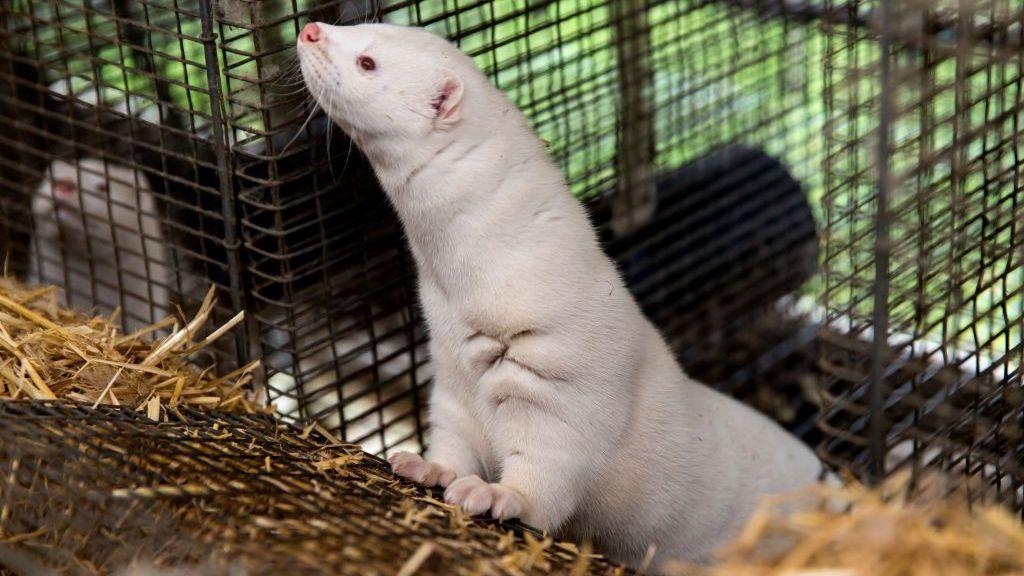
Denmark will halt mink farming by 7 August 2029, following an EU decision that added the mammal to the list of invasive species. The nation, once the world’s top mink fur producer, has faced market decline and public pressure for years. The government picked animal welfare over tradition and complied with the EU ban without seeking an exemption.
The crackdown came after a nationwide cull of roughly 15 million mink in 2020 when a mutated coronavirus strain was found in the animals. That move, later admitted to be legally ungrounded, exposed supply‑chain weaknesses and prompted a reevaluation of the industry’s sustainability. Today, only about 15 000 mink remain in the country, living in the seven farms that will close over the next decade.
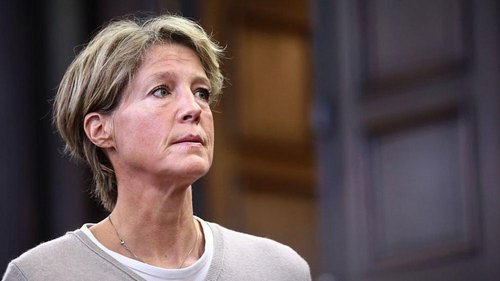
The Danish Nature Minister, Christian Rabjerg Madsen, emphasized that businesses must be socially and environmentally viable. “A business should not continue just because it has existed for a long time. It should also make sense for society, the economy and the animals,” he told reporters. Social Democrat MP Brigitte Vind described the decision as a triumph for animal welfare and a step forward for Denmark’s green credentials.
Financial implications for farm owners are still unclear. Early estimates put the cost of winding up operations at around 14 million Danish krone—though the final amount may rise during the two‑year transition period. The decision also removes Denmark from the limited circle of European countries still producing mink fur, a product that has seen fluctuating demand as fashion houses move towards faux fur and other sustainable materials.
The ban aligns with a broader European push to reduce fur farming, reflecting a shift in public values toward humane and environmentally friendly practices. It also removes a significant source of greenhouse‑gas emissions linked to feed production, waste management, and transportation. Advocacy groups hail the move as a milestone in the journey toward a cruelty‑free and carbon‑conscious future.
Key dates:
- 7 August 2029 – Full ban takes effect.
- June 2026 – Coalition government reverses earlier exemption bid.
- 2025 – EU lists mink as an invasive species.
The decision underscores Denmark’s commitment to both animal welfare and climate cost reduction. As the country moves away from mink farming, it is poised to shift its agricultural focus toward regenerative and low‑impact options, cementing a role as a climate pioneer in the Nordic region.