In brief
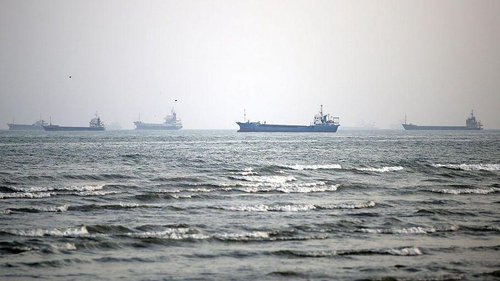
Radiating 35 km, the spill originates from the Panama‑flagged Gem No.2 that was struck and set on fire in early October. UAE officials have mobilised containment crews and closed affected beaches in Umm Al Quwain, while scientists warn that the slick endangers coral reefs and sea turtles in nearby biodiversity areas. The incident follows a wave of ship attacks in the strait, underscoring the need for better maritime security and rapid environmental response. Research teams are monitoring pollutant levels and modelling dispersion to guide clean‑up strategies. Timely intervention could mitigate habitat loss and support resilient coastal communities.
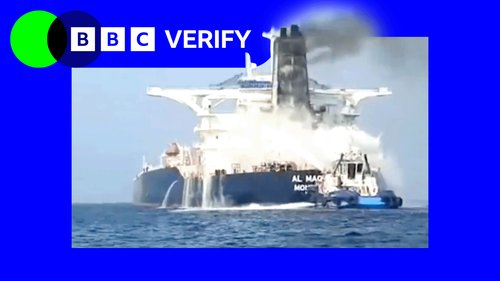
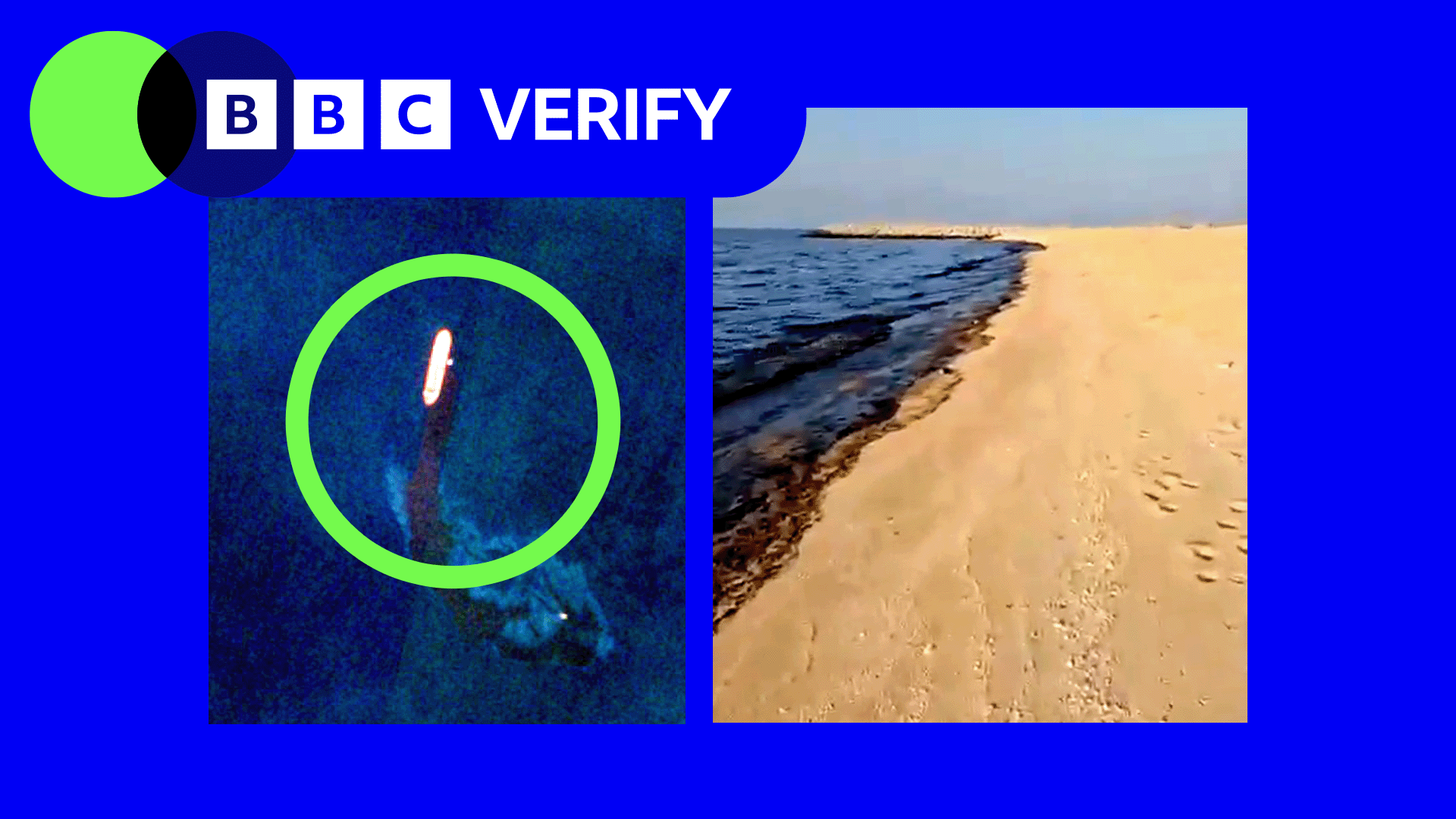
A tanker named Gem No.2, hit by a projectile in the Strait of Hormuz on 9 October, began leaking crude oil that has now covered more than 35 kilometers of the coast. Satellite images show the slick spreading rapidly, first noted on Monday and extending by Wednesday. The spill has washed ashore on beaches near the northern city of Umm Al Quwain, forcing local authorities to close those areas to protect visitors and wildlife.
The UAE Ministry of Climate Change and Environment has deployed containment teams to limit further spread, but experts caution that the long‑term impact remains uncertain. The spilled oil can trap turtles, suffocate seabirds and damage fish gills, and its toxic compounds may impair reproduction in exposed species.
Of particular concern is the proximity of the slick to the Siniyah and Khor Al Beidah islands, a Global Key Biodiversity Area that hosts coral reefs, seagrass beds and critically endangered turtles and gill‑fishes. Scientists believe that the spill’s arrival here could jeopardise these ecosystems and the livelihoods of local fishing communities.
The incident follows a broader flare‑up of maritime attacks in the region, with Iran claiming increased control over the vital shipping lane. The event highlights the urgent need for resilient marine monitoring systems and coordinated spill‑response protocols that can operate swiftly across international boundaries.