In brief
The explosion of an overturned fuel tanker in northern Nigeria has left 168 people dead, as economic hardship drives locals to collect spilled fuel. This incident underscores the urgent need for safety and fuel affordability in the region.
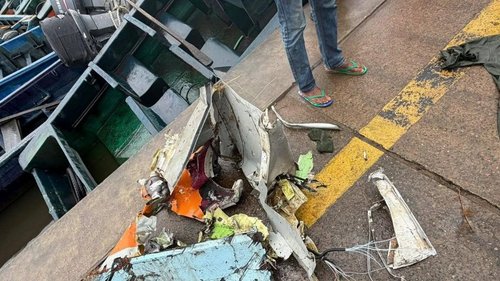
In a tragic incident on Tuesday night in northern Nigeria, an overturned fuel tanker exploded, claiming the lives of at least 168 people and leaving over 90 others injured. The catastrophe occurred in the town of Majia as locals rushed to scoop up the spilled gasoline from the tanker, which was carrying 45,000 liters of fuel. This incident stands as one of the deadliest road accidents in Nigeria's history.The sequence of events began when the tanker, driven by Yusuf Mohammad, swerved to avoid a van carrying tomatoes that had ventured into its lane. While both drivers escaped uninjured, chaos ensued as residents, driven by the increasing scarcity and cost of fuel, crowded around the overturned vehicle. Tragically, an hour later, the fuel ignited, leading to a massive explosion and loss of life.Witnesses and family members of the victims expressed heartbreak, emphasizing that the disaster was fueled by the dire economic conditions that push individuals to risk their lives for a drop of fuel. Nigeria has been grappling with a crippling fuel crisis, making gasoline a sought-after commodity for many. The explosion not only brings to light the dangers associated with fuel collection under such conditions but also highlights the ongoing struggles residents face in accessing affordable energy sources.As the community mourns, the aftermath of the tragedy sparks discussions about the regulatory measures needed to ensure public safety, particularly surrounding hazardous materials, and the urgent need for accessible energy solutions to prevent future disasters.