The Rafah border crossing between Gaza and Egypt has reopened, providing a crucial lifeline for sick and wounded Palestinians seeking medical treatment. On the first day of its reopening, 37 individuals, predominantly children, crossed into Egypt, facilitated by a recent ceasefire and hostage agreement between Hamas and Israel.
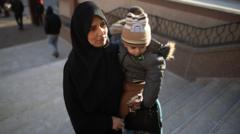
Footage captured during the evacuation shows sick Palestinian children being transported in stretchers and ambulances, highlighting the urgent medical needs that have persisted during the eight-month closure of the crossing. Mai Khader Abdul Ghani expressed profound relief as her son, suffering from a rare autoimmune disease, was finally allowed to leave Gaza for necessary treatment.
"Thank God that his name was included in the referral for treatment," she said, emphasizing the pain he endured while awaiting evacuation. Alongside him, others like Mohammed Abu Jalala shared heart-wrenching stories of family members injured or scarred by the ongoing conflict, one of whom required amputation due to severe injuries.
Dr. Rik Peeperkorn from the World Health Organization described the evacuation process as methodical and orderly, with ambulances transporting patients based on their mobility status. He estimated that around 14,000 people in Gaza are in dire need of medical assistance, of which many suffer from injuries related to the ongoing violence and war.
The European Union has stepped in to support the evacuation effort, deploying a monitoring mission at the Rafah crossing to assist in facilitating medical transfers. As the crossing remains one of the only two exit points from Gaza for individuals (the other being Erez into Israel), its reopening is a critical development amid ongoing humanitarian crises.
The situation in Gaza remains dire, with reports indicating over 47,000 Palestinians have lost their lives due to ongoing hostilities since the military offensive escalated following a Hamas attack on Israel in early October. The reopening of Rafah represents a small glimmer of hope for many families desperately awaiting medical interventions and care for their loved ones.