In brief
The Rafah border crossing between Gaza and Egypt has reopened for the first time since May 2024, allowing minimal traffic for sick and wounded Palestinians. Under new conditions, only a limited number of patients and their companions can cross each day, raising hopes for many who desperately need medical attention. While the reopening marks a step forward, significant restrictions remain in place, with many awaiting the opportunity to cross without the burden of security checks.
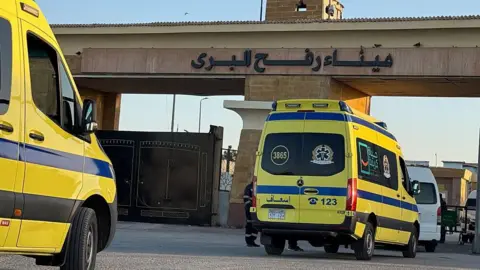
After a long period of closures, the Rafah border crossing connecting Gaza to Egypt has reopened, albeit with strict limitations. Only a handful of sick and wounded individuals managed to enter Egypt on the first day of operation, highlighting the dire humanitarian situation for many Palestinians.
The crossing had been largely closed since Israeli forces took control of the Gazan side in May 2024. Initial plans for its reopening were part of a ceasefire proposal put forward by US President Donald Trump, which was delayed due to the return of an Israeli hostage.
While the reopening is seen as a relief by many Palestinians who view it as a critical link to the outside world, there is frustration over the stringent restrictions on movement—a mere 50 patients and their companions are allowed across each day. On the first day of reopening, only five patients and their companions managed to cross, while many others remain unable to pass through due to rigorous security checks.
In total, around 20,000 sick and wounded Palestinians are on waiting lists to leave Gaza for medical treatment. The World Health Organization noted that hospitals in Egypt are prepared for incoming patients, further emphasizing the urgent medical needs.
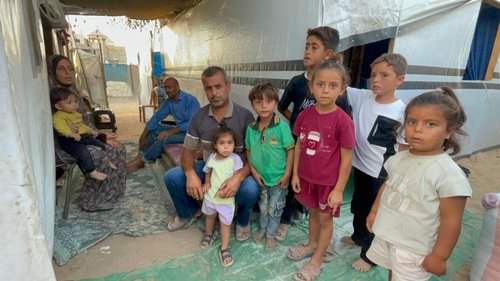
Efforts to manage crossings have been met with delays and setbacks, and frustration is evident as families express urgency for treatment. One mother, Sabrine al-Da'ma, expressed her hope to travel abroad with her daughter, who suffers from kidney disease—a poignant reflection of the personal struggles faced by many seeking refuge and medical assistance.
While the reopening of the Rafah crossing is a significant step, aid and supplies are still critically needed. Calls for increased humanitarian access continue, as Palestinian officials emphasize the importance of establishing a functional lifeline for those affected by the ongoing conflict.