In brief
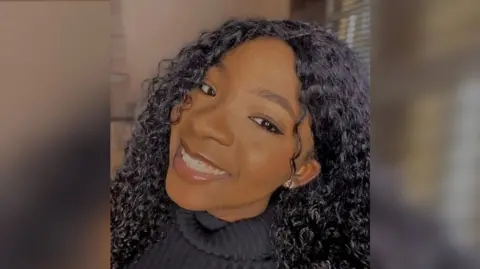
Ifunanya Nwangene, a talented Nigerian singer known for her unique blend of musical styles, tragically lost her life after being bitten by a snake in her home. Despite swift medical attention, she succumbed to her injuries, highlighting the ongoing issues of healthcare access in Nigeria, particularly around snakebite treatment. The incident has reignited discussions about the quality of healthcare in the country following various recent tragedies. Nwangene had recently gained fame through her participation in 'The Voice Nigeria' and was planning her first solo concert.
There has been an outpouring of grief in Nigeria following the death of an aspiring singer who died on Saturday after being bitten by a snake in the capital, Abuja. Ifunanya Nwangene, 26, rose to prominence after appearing on The Voice Nigeria, the local version of the international TV singing competition, in 2021. She was known for her versatility, blending jazz, opera, classical music and soul.Videos shared on social media show a snake handler removing a snake from her apartment, as people nearby can be heard screaming: It is a cobra! A close friend, Sam Ezugwu, the co-founder and music director of the Amemuso Choir where she sang, told the BBC that Nwangene was a rising star. He said she had been planning to stage her first solo concert later this year. She was also a trained architect.Hillary Obinna, another friend who sang alongside her, recounted that she had been asleep when the snake bite woke her up. Two snakes were later found in her house. While seeking treatment, Nwangene first went to a clinic that did not have antivenom and was then transported to a hospital.Upon arriving, the hospital had one of the required antivenoms, but not the other necessary one. Ezugwu described the distressing scene where she struggled to breathe and was unable to speak, only able to make hand gestures. After searching for the missing antivenom, Ezugwu returned to find that she had tragically passed away.The entire choir had gathered at the hospital, praying for a miracle. Obinna expressed deep sadness, describing Nwangene as a wonderful girl, humble, intelligent, and very talented. Her death has prompted a renewed debate over the quality of healthcare in Nigeria, especially given the serious allegations of medical negligence that have arisen following recent high-profile cases.The incident has also revealed a broader issue: most snakebite victims in Nigeria are typically found in rural areas. The World Health Organization (WHO) highlights that venomous snake bites remain a significant public health issue in many tropical and subtropical countries. In Africa, an estimated 435,000 to 580,000 snake bites occur annually, leading to about 30,000 deaths, with the burden falling predominantly on vulnerable segments such as women and children in areas with weak healthcare systems.Experts attribute the lack of adequate responses to snakebites to a shortage of antivenom, high costs, and storage challenges in regions with unreliable electricity. Nwangene’s untimely death serves as a poignant reminder of the ongoing public health challenges in Nigeria and the urgent need for systemic improvements.