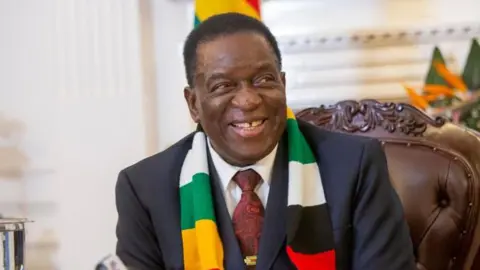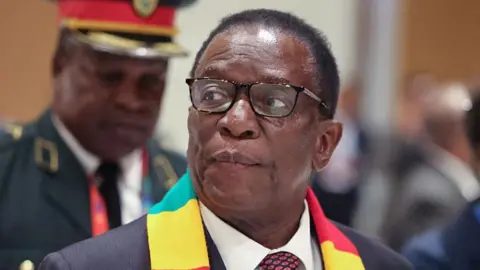
In Zimbabwe, fears surrounding proposed constitutional amendments are escalating, as the ruling Zanu-PF party pushes for changes that would allow parliament to elect the president, rather than the electorate. This controversial move is seen by many as a bid to consolidate power and extend President Emmerson Mnangagwa's term from five to seven years.
This is a coup, a slow coup that is unfolding in Zimbabwe, warned Tendai Biti, a veteran opposition politician and former finance minister.
Despite the criticism, Zanu-PF representatives have defended the amendments, arguing they could establish a less costly electoral system. Party spokesman Patrick Chinamasa stated, There's nothing that stops us to change, to go to another system that's less costly, less controversial.
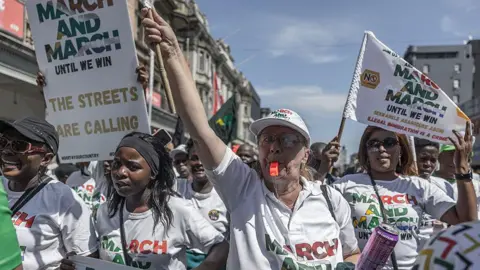
The proposed changes have intensified divisions within the country, with public hearings on the issue revealing starkly different viewpoints. Supporters of the change argue that it could reduce electoral violence historically linked to presidential votes. Opponents, however, recall a history of repression and intimidation that often accompanies political dissent.
Key elements of the proposed amendments include:
- Eliminating presidential elections held since 1990
- Extending both presidential and parliamentary terms from five to seven years
- Delaying the next parliamentary elections from 2028 to 2030, allowing Mnangagwa to remain in office until then
- Granting parliament the power to elect the next president
Public sentiment appears polarized. At a recent hearing in Harare, crowds enthusiastically supported proposals for Mnangagwa to extend his leadership. However, the gathering also witnessed physical conflicts as opposing voices became increasingly silenced.
Human rights activists note an escalation in state violence, with reports of police bans on opposition meetings leading up to the hearings. Biti, representing the Constitution Defenders Forum, faces accusations stemming from an allegedly unauthorized public meeting.
Critics perceive the bill as a stepping stone towards reinstating an imperial presidency, a structure they fought against during Mugabe's long-term rule. They express concerns that if Zanu-PF can successfully alter term limits now, the possibility of extending them indefinitely could arise.
Chinamasa dismissed these fears, emphasizing that the focus remains on establishing political stability. However, the opposition argues that the essence of democracy is at risk, reiterating that closing democratic spaces could lead the country back into its darkest periods of governance.
The conflict surrounding these changes continues to unfold, with parliamentary discussions expected to take place in the coming weeks aimed at finalizing the proposed bill. As public outcry and political maneuvering grow, Zimbabwe's political future hangs in the balance.