In brief
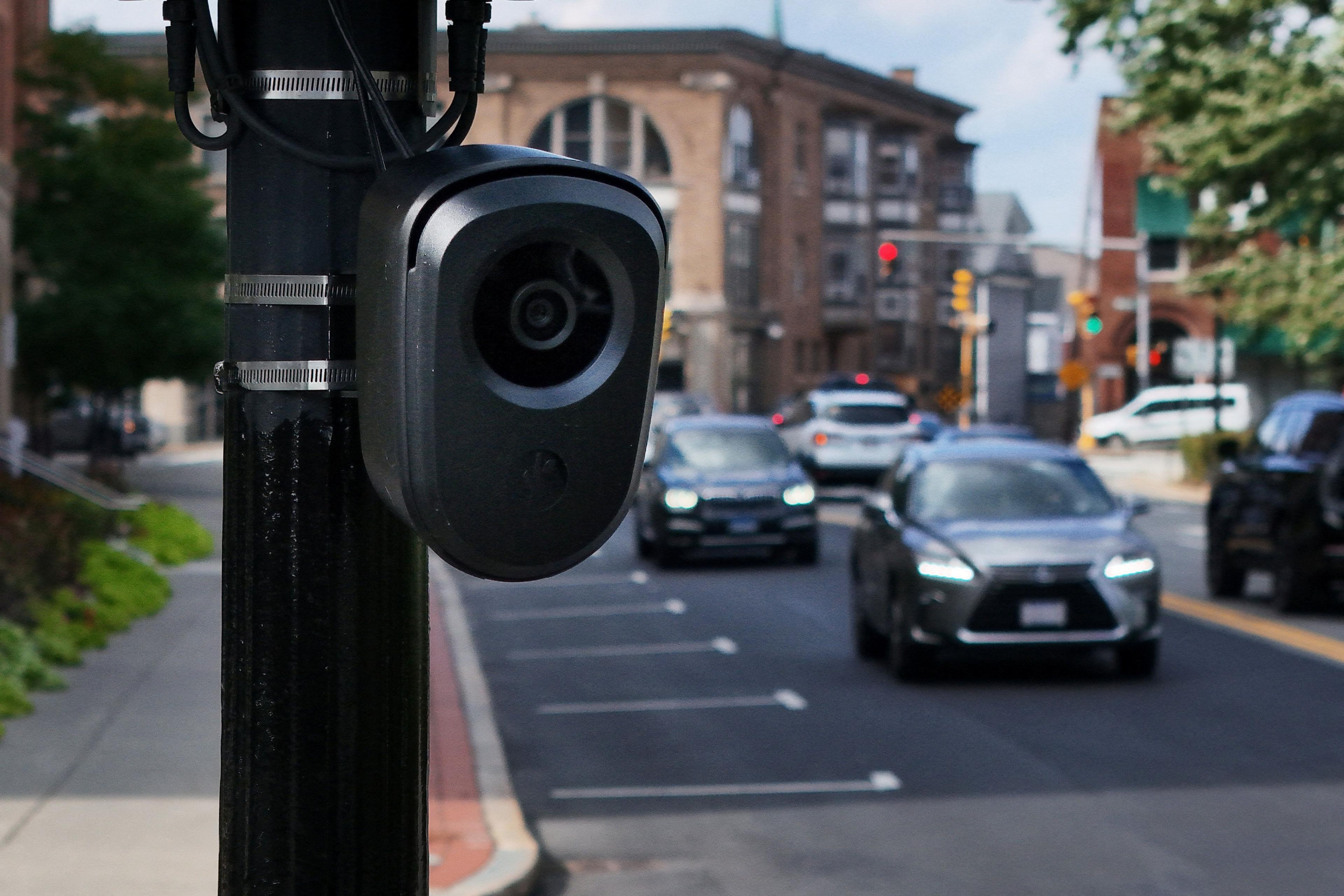
In late July, four Flock cameras were vandalized in Houston’s affluent Old Braeswood neighborhood, sparking a national conversation about the technology’s safety benefits versus privacy risks. Flock, a leading automatic licence‑plate reader (ALPR) provider, operates roughly 100,000 cameras across more than 7,000 communities. While critics warn that the system can track everyday movements and potentially feed data to federal agencies, supporters cite dramatic crime‑solving rates and child‑recovery successes. Recent incidents—including a police officer tracking a protected individual thousands of times—have prompted over 200 jurisdictions to cancel or not renew contracts. The balance between safer streets and individual rights remains a central concern.
In the middle of the night, a silent vandal attack cut the metal poles of four Flock Safety cameras in Houston’s tree‑lined Old Braeswood neighborhood and left the black oval devices and solar panels on the ground. On some cameras, a red sign read: “Notice. 24/7 video recording.” The act coincided with a broader trend of vandalism against the company’s AI‑powered cameras across Minnesota, California and Georgia.
Flock, founded in 2017, has grown to deploy around 100 000 cameras nationwide, working with more than 7 000 communities. The cameras capture the rear of every car that passes, retaining footage for a set period before deletion. While the company promotes crime‑solving aid—claiming the system helped recover 10 000 missing people—its database also offers search capabilities that can include descriptors such as “Caucasian man, blue shirt,” raising concerns about intrusive tracking.
Critics point to privacy breaches, such as a Kentucky officer who tracked an ex‑girlfriend over 2 000 times, and a Texas detective who searched 80 000 images without a warrant to locate a woman suspected of abortion. The widespread use of AI has led some police departments to question whether the technology can help police avoid mandatory warrants, potentially violating civil liberties.
Local leaders, including Houston’s Chief Ray Schultz, acknowledge the cameras’ effectiveness—reducing stolen car recoveries from three a year to 45 after adopting the system. He insists that strong policies and officer accountability are key, but warns that indiscriminate deployment fuels public distrust and the “disappointment” of vandalism.
Immigrant rights organizer Jasmine Khadem Gonzalez caution that law‑enforcement could use Flock’s dataset to inform ICE prosecutions. While the federal agency does not directly contract with Flock, departmental agreements with immigration enforcement have been reported, prompting calls to enforce warrants and data‑sharing protocols.
In response to mounting scrutiny, more than 200 communities—including major cities like Los Angeles, Seattle and Austin—have either cancelled or chosen not to renew contracts. Legislative proposals now seek to restrict data access without warrants and enforce stricter audit regimes. Flock’s founder, Garrett Langley, maintains the platform is a safety tool, though he defends the shift to –‑and its patents containing “surveillance” in their titles—while urging local discretion over data retention and sharing.
As the national debate intensifies, activists, citizen scientists and environmental advocates anticipate that the intersection of AI surveillance and public privacy will shape new standards for sustainable, humane urban governance. The next month’s policy outcomes will likely determine whether safety can coexist with the rights that communities visibly demand.