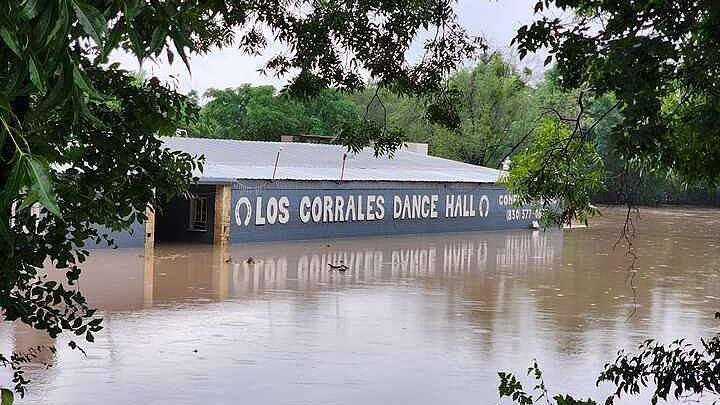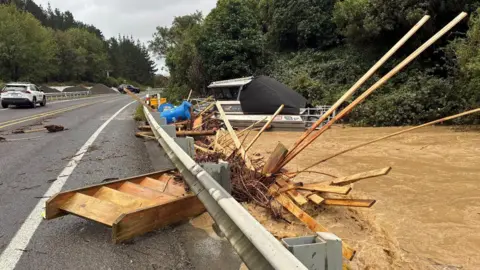
ANCHORAGE, Alaska – In the face of displacement, many Alaska Native children are finding solace in a Yup’ik language immersion program in Anchorage after being evacuated from their villages due to the catastrophic flooding caused by Typhoon Halong.
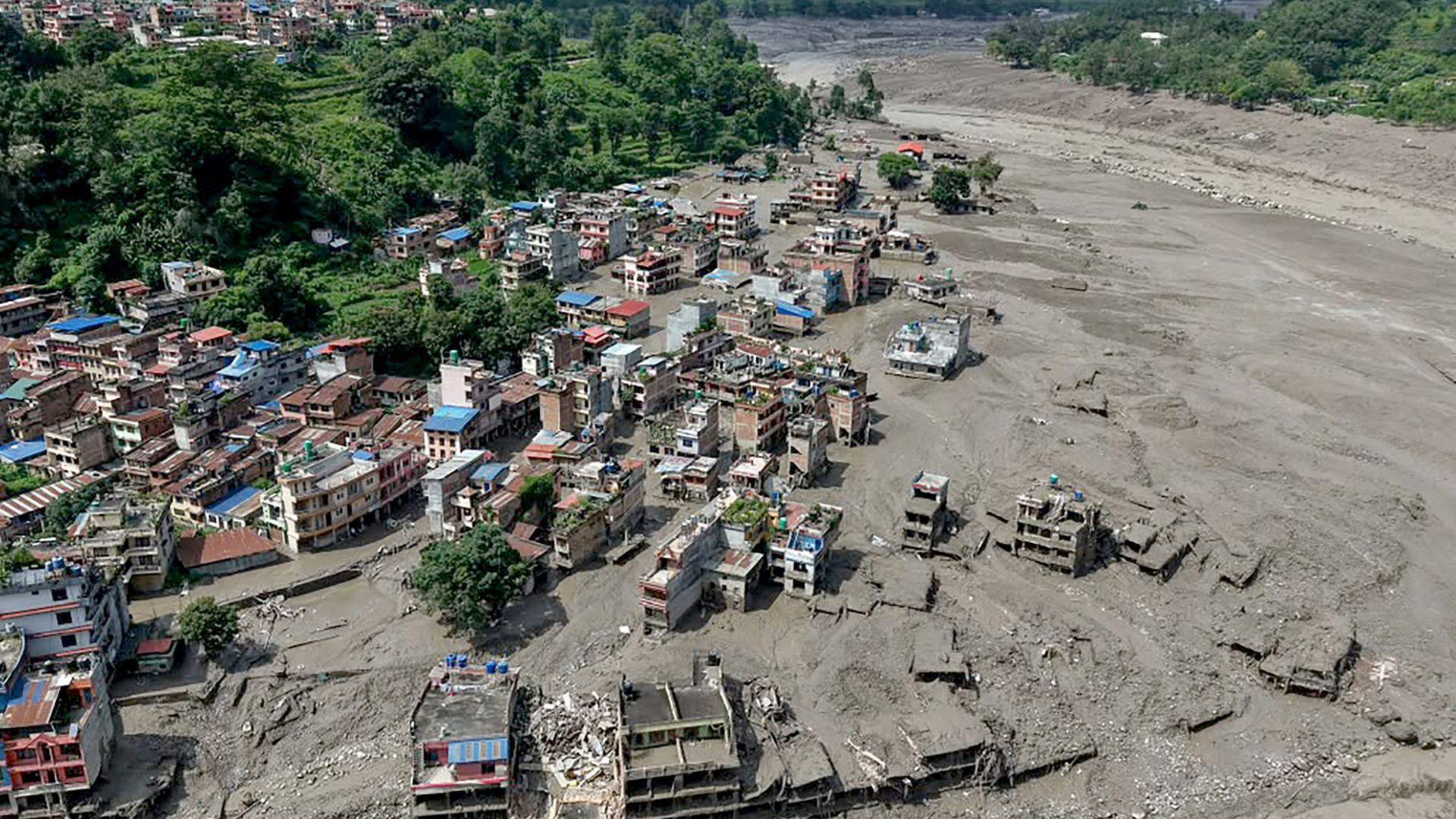
The floods, which hit areas along the Bering Sea, resulted in the destruction of nearly 700 homes, leaving families uprooted and navigating the challenges of their new surroundings. For children like 10-year-old Rayann Martin, the immersion program provides a bridge back to their heritage.
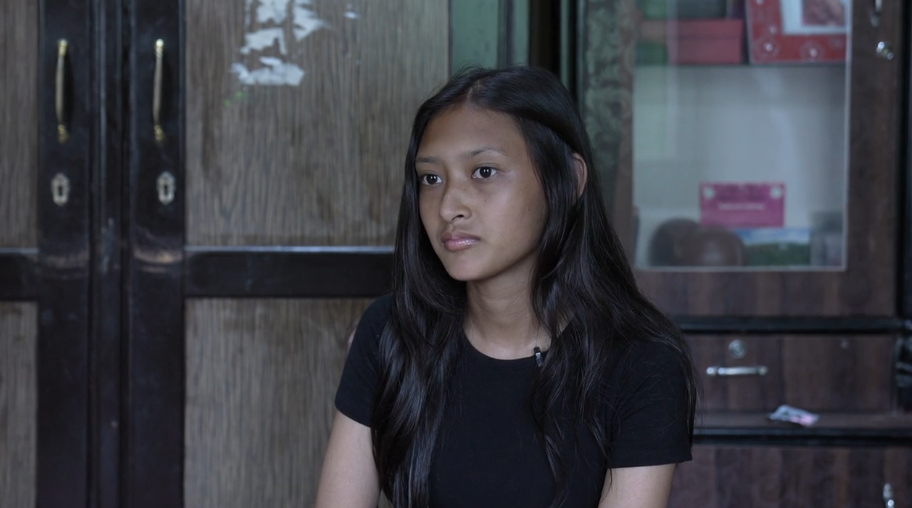
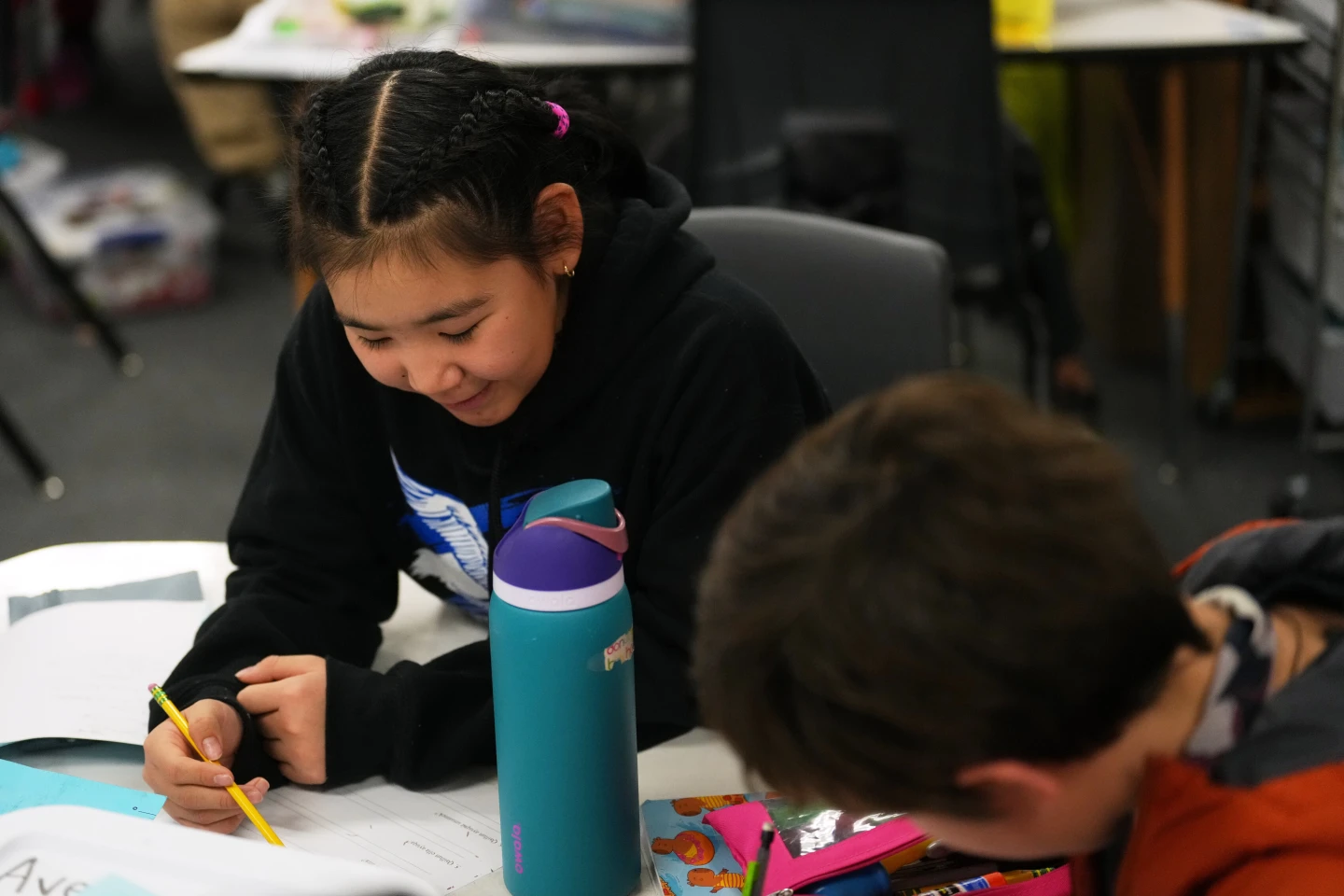
I’m learning more Yup’ik, Martin said, noting she now communicates more frequently in Yup’ik with her mother and classmates as part of the program, which is one of the few such language courses in Alaska.
Since its establishment nearly nine years ago, the Yup’ik immersion program has grown significantly, with 71 new students enrolled this year alone, reflecting a boom in interest among students after the recent flooding. Students receive half of their instruction in Yup’ik, covering subjects from literacy to social studies, while the other half of the day is dedicated to English.
A Principal's Commitment
Principal Darrell Berntsen, a Sugpiaq native, knows firsthand the importance of cultural connection following a disaster. His personal history with the 1964 Great Alaska Earthquake informs his commitment to supporting displaced families.
Listening is a big part of our culture – hearing their stories, Berntsen remarked, as he welcomed families at a Red Cross shelter in Anchorage. His aim is to make newcomers feel comfortable at the school.
Bridging Generational Gaps
The program not only serves educational purposes but also functions as a cultural lifeline, reviving traditions and practices among younger generations. Berntsen is planning community activities to help students connect and relate to their cultural roots.
Despite the difficulties of adjusting to city life, the immersion program enables children like Ellyne Aliralria from Kipnuk to engage with their language, opening new avenues for communication with their elders and reaffirming their cultural identity.
Brandon Locke, the district’s world language director, emphasizes that this program is a chance to combat the historical neglect of indigenous languages and foster a renewed pride in Yup’ik culture, ensuring a more resilient future for the community.