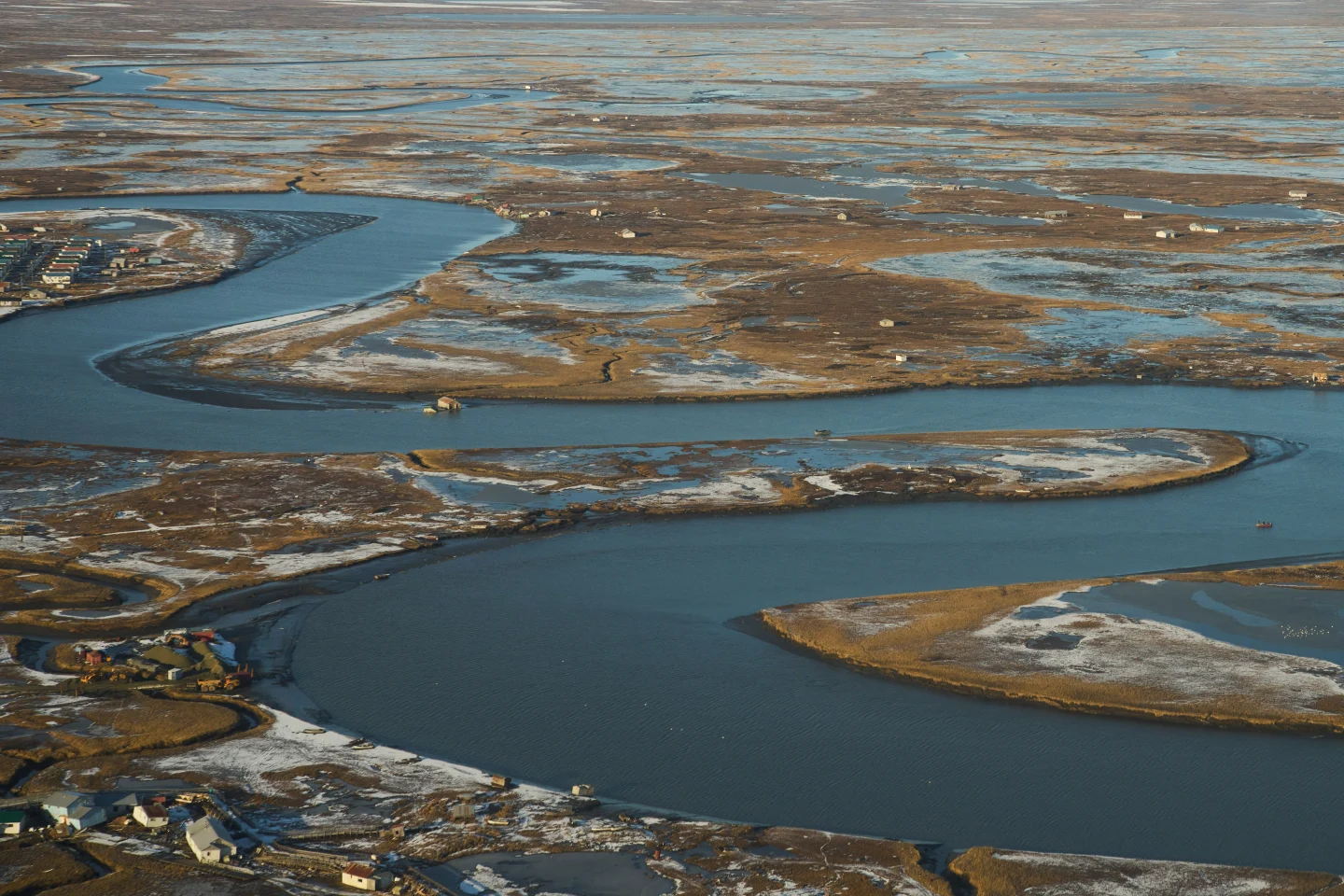
JUNEAU, Alaska — The recent storms that hit Alaska’s western coast have drawn attention to the challenges faced by low-lying Indigenous villages increasingly at risk from climate change. These storms have underscored the urgency of addressing the threats of flooding, thawing permafrost, and continuous erosion in an area where many communities are finding it difficult to sustain themselves.
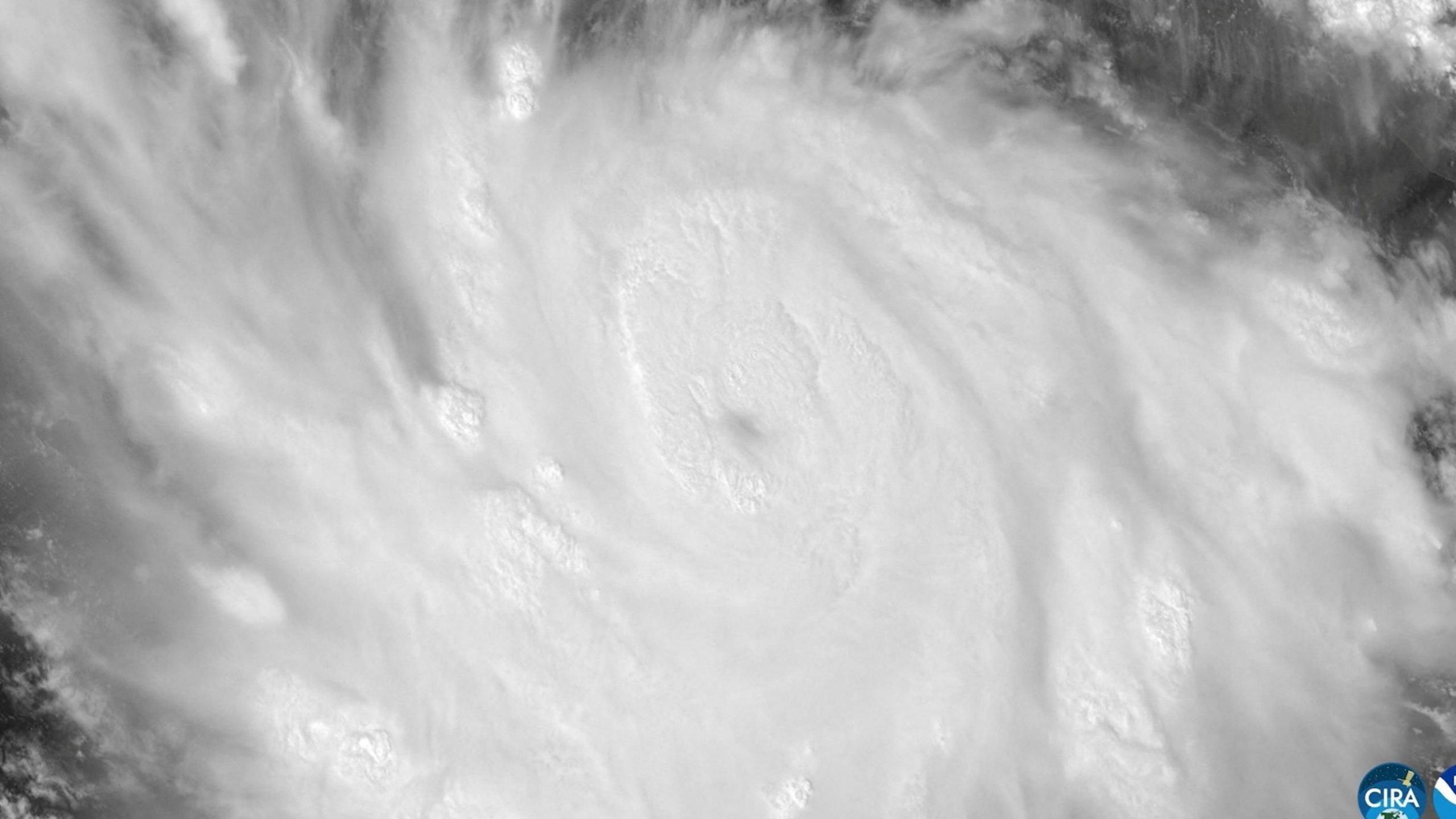
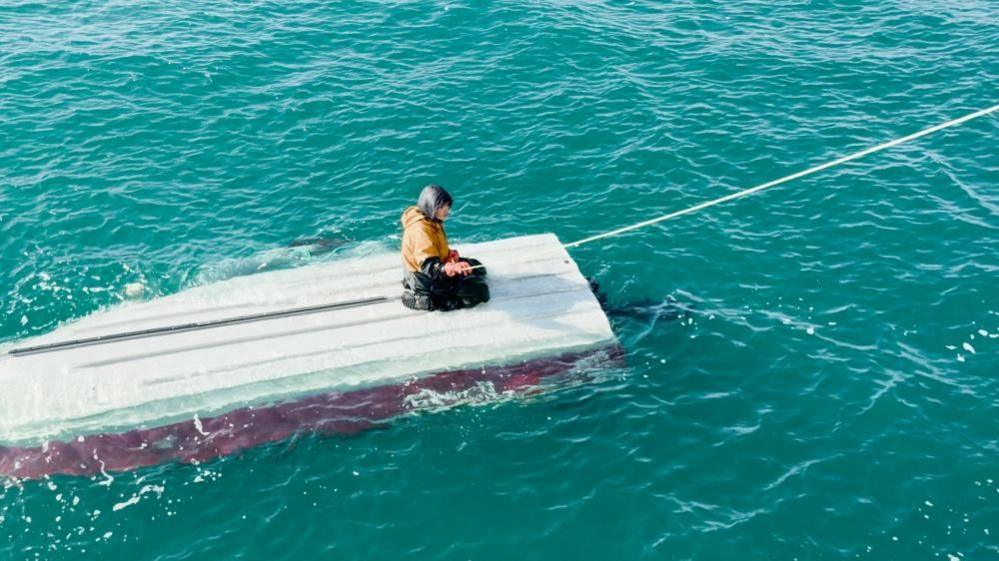
The onset of winter has put a pause on emergency repairs and cleanup efforts following the devastation of two storms in October, including remnants of Typhoon Halong. Communities such as Kipnuk and Kwigillingok are grappling with prolonged displacements and an uncertain future.
Some villages, like Kwigillingok, had already begun contemplating relocation even before the storms, a process that could take decades, compounded by a lack of centralized planning and funding. The previous administration’s decision to cut grants aimed at enhancing protective measures against climate-related threats has further exacerbated these uncertainties.
Despite challenges, state emergency management officials like Bryan Fisher, express hope in finding solutions that can offer time for villages to decide their next steps. This could involve reinforcing existing infrastructure or redesigning homes to be elevated above rising waters.
A Region Under Extreme Climate Pressure
With Alaska warming at a rate faster than the global average, a report from the Alaska Native Tribal Health Consortium revealed that 144 Native communities are now facing significant threats from climate impacts such as erosion, flooding, and thawing permafrost.
Coastal areas are particularly vulnerable, according to climate scientist John Walsh, due to diminishing Arctic sea ice allowing storm-driven waves to inflict more damage. Structures built on thawing permafrost face accelerated deterioration as loose soil erodes more easily.
Recent storms, especially the remnants of Typhoon Halong, have consumed substantial portions of shoreline, threatening archaeological sites and disrupting community life in affected areas like Quinhagak.
The Cost of Adaptation
Faced with rising threats, at-risk communities have limited options: they can fortify existing infrastructure, relocate gradually, or move altogether. An estimated $4.3 billion would be required over 50 years to adequately protect these Native communities from escalating climate risks, making funding a crucial yet scarce resource.
The process of relocating or reinforcing these communities is complicated by policies that can restrict funding availability based on community status or plans. Limited options leave viable strategies vague and uncoordinated.
Past experiences, such as the decades-long effort for the Newtok community to relocate about nine miles to Mertarvik, illustrate the overwhelming costs and logistics involved in such transitions. Many other villages are in a race against time, striving to find effective measures before extreme climate impacts force them to act.
Pushing for Federal Action
Despite the challenges, there are signs of hope. With funding from the Infrastructure Investment and Jobs Act, the U.S. Bureau of Indian Affairs launched a relocation initiative, allocating $115 million for tribes facing climate threats. However, many communities still require more substantial investment and strategic guidance from federal agencies.
Nonetheless, ongoing political shifts and policy cuts raise concerns about the sustainability of these funds. Support mechanisms to help communities transition and adapt continue to oscillate, limiting the resources needed for effective community planning amidst rising climate threats.
Experts like Sheryl Musgrove from the Alaska Climate Justice Program emphasize the importance of coordinated federal efforts and are hopeful that increased attention to these crises might lead to necessary systemic change.