In brief
The floods in Indonesia, resulting from an unprecedented cyclone over the Malacca Strait, have caused 631 fatalities and impacted 1.5 million people. Efforts to rescue and provide aid are hampered by the severity of the situation, leading to criticism of the government’s disaster response. The catastrophe is part of a broader pattern of extreme weather affecting Asia, raising concerns over climate change and its implications.
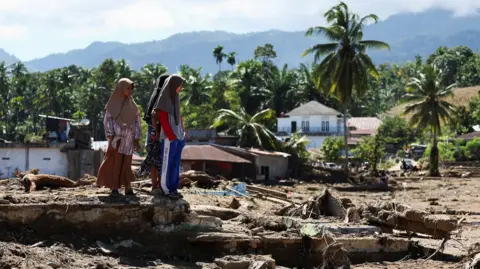
The death toll in the floods which struck Indonesia last week has now climbed to 631, with rescue workers still battling to reach affected areas.
The floods, which were caused by a rare cyclone that formed over the Malacca Strait, have hit three provinces and impacted around 1.5 million people, according to the government's disaster agency.
Nearly 500 people remain missing, with thousands more injured.
Indonesia is part of a widespread crisis in Asia, experiencing torrential rain and storms, with nearby Thailand, Malaysia, and Sri Lanka reporting similar devastation.
The provinces of Aceh, North Sumatra, and West Sumatra have been hardest hit, with thousands still cut off from essential supplies.
About one million people have been evacuated, while local resident Arini Amalia described the flood waters as “like a tsunami”.
Harrowing accounts reveal significant challenges for rescue teams as they navigate impassable roads. An affected mother, Mariana, watched heavy machinery clear debris in hopes of finding her missing child amid the destruction.
Many survivors are struggling for food, having gone days without adequate supplies, and are dependent on a fragmented aid response riddled with bureaucratic delays.
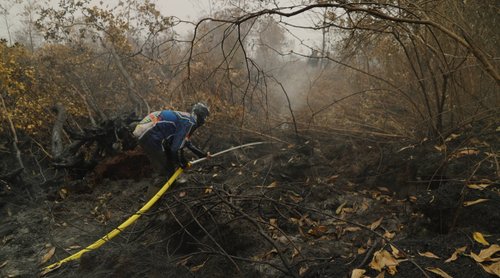
The Indonesian government faces increasing pressure over its management of disaster preparedness, with accusations that environmental degradation has exacerbated the flooding's impact.
As rescue operations continue, the situation in Indonesia reflects a concerning pattern of extreme weather made worse by climate change. With severe cyclones occurring more frequently, this disaster highlights the urgent need for better ecological management and disaster preparedness plans.