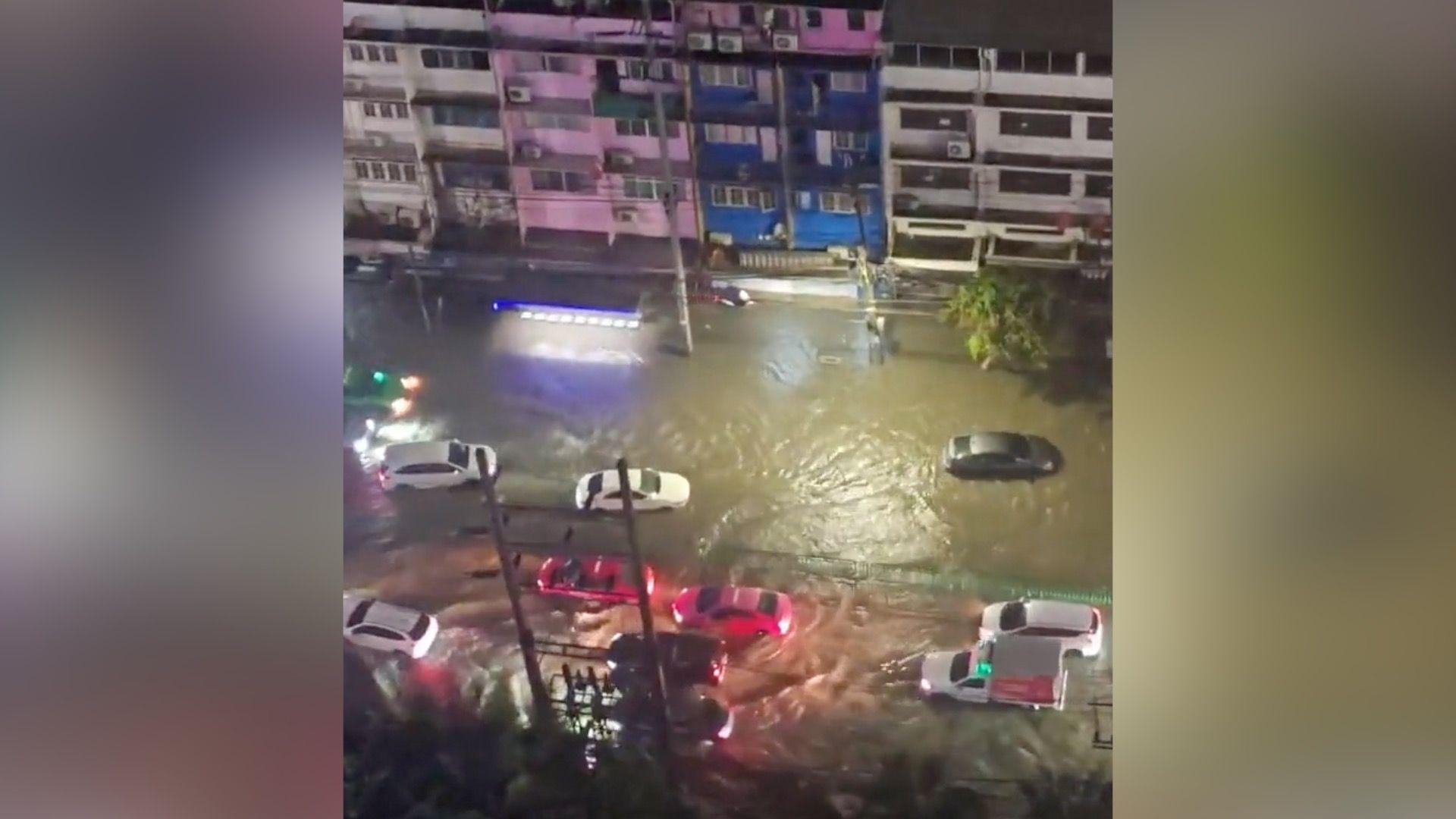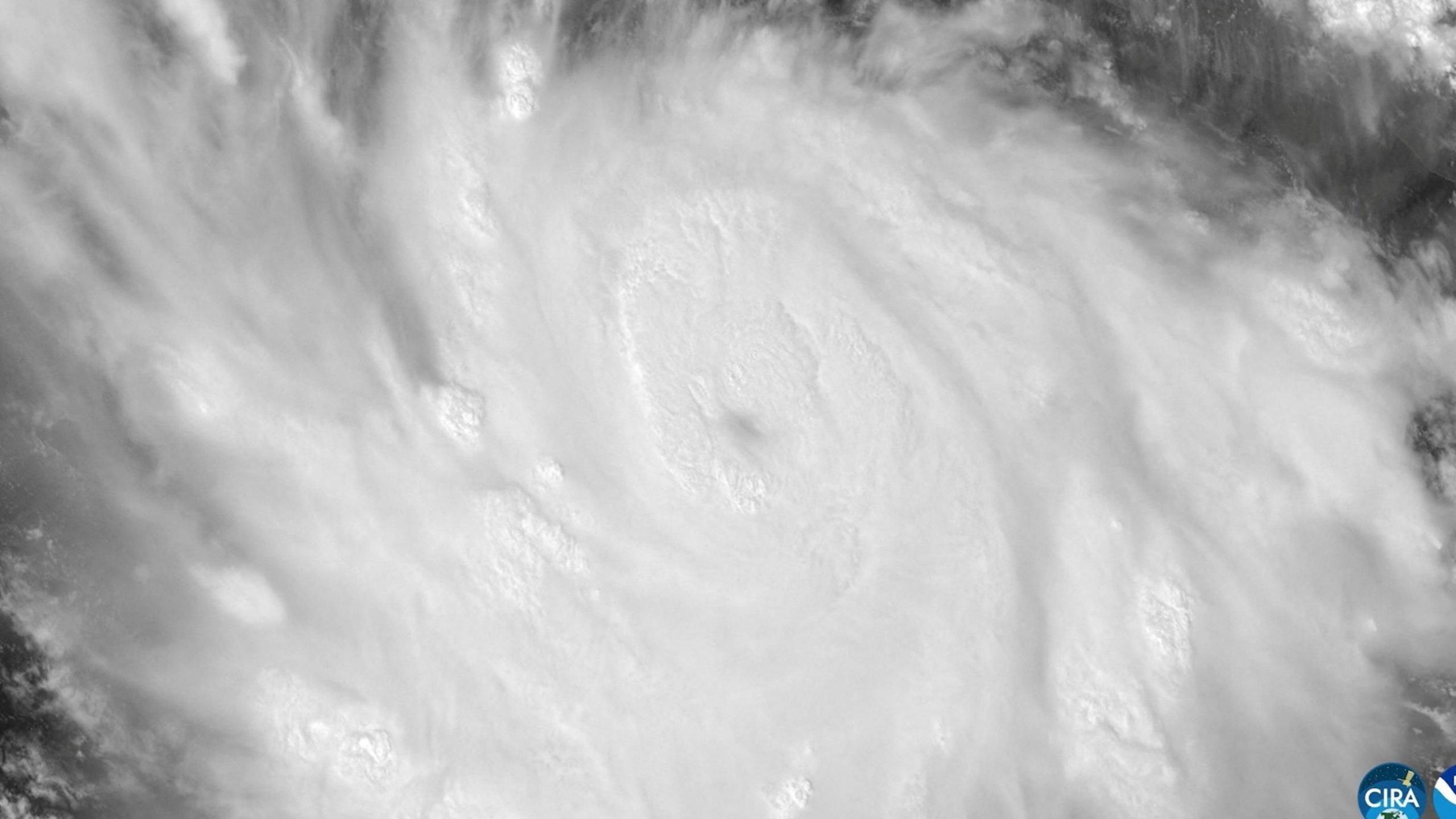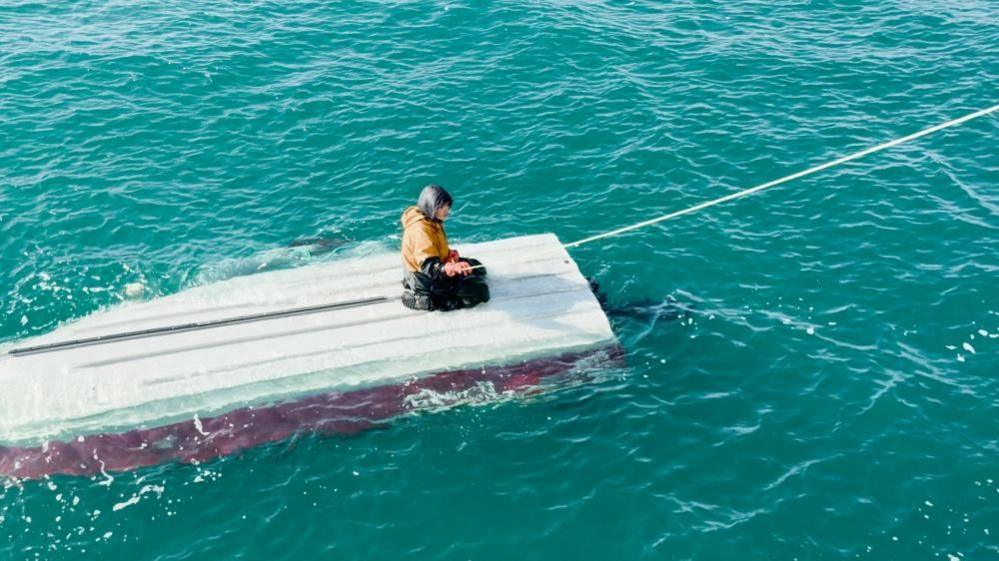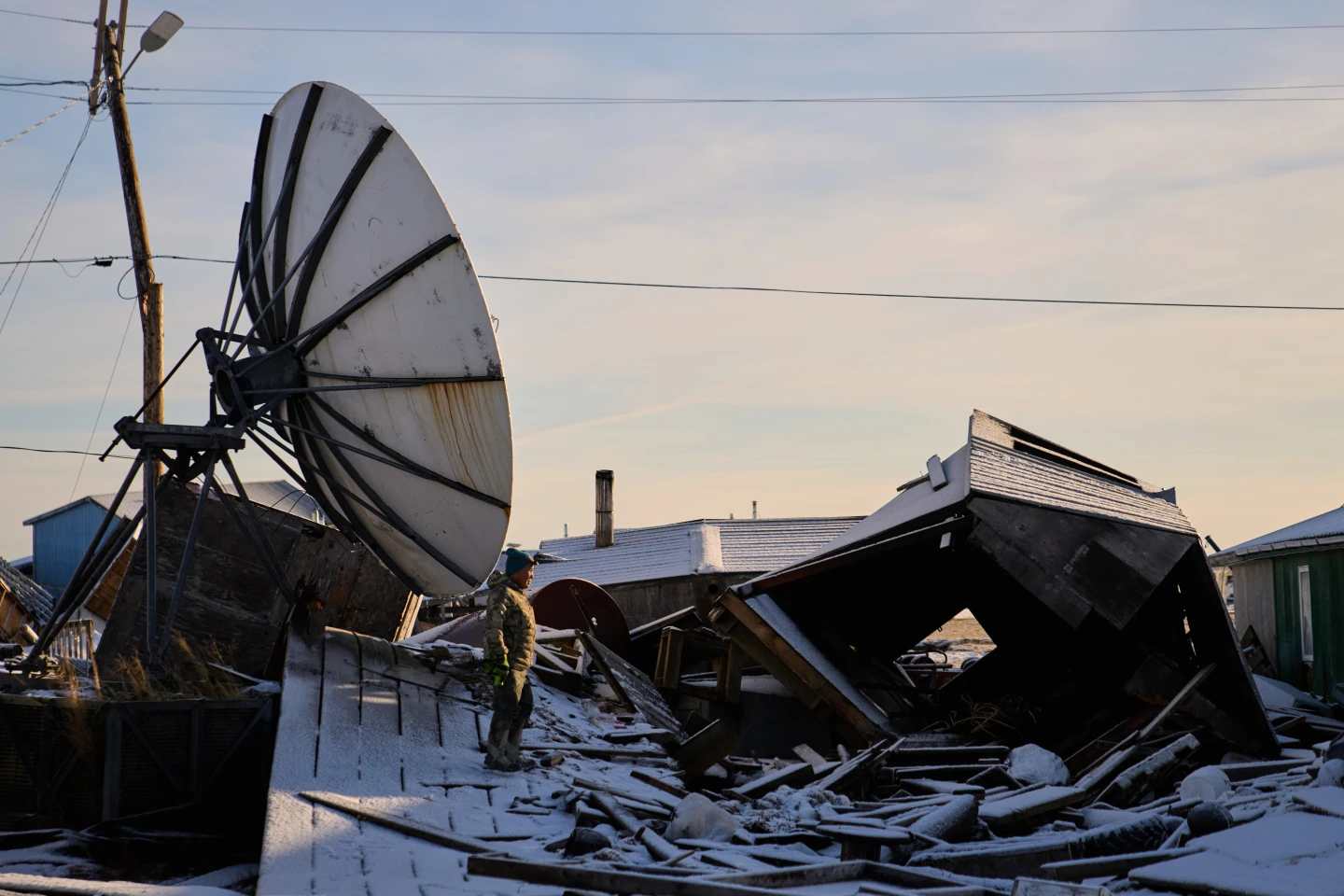
Kwigillingok, Alaska — Amid the wreckage left by Typhoon Halong, Darrel John looked on as the last evacuating helicopters departed his village. With only a few others choosing to stay, he felt a deep connection to his community, stating, 'I just couldn’t leave my community.' The storm had uprooted homes and tragically claimed lives, eliciting a sense of uncertainty for those who remained.
The quiet Alaskan village, now grappling with severe damage, faces questions about its future amidst worsening climate conditions, including rising seas and melting permafrost. Members of this tight-knit community must find ways to rebuild while dealing with the consequences of climate change, which continues to threaten their way of life.
The governor’s office has pledged support for rebuilding efforts, but experts warn that the challenges are substantial. With over 1,600 residents displaced, many are temporarily residing in cities vastly different from the tranquil life they knew—an unfamiliarity that weighs heavily on their minds.
As winter approaches, John and others like him are uncertain whether they and their families will ever return. Louise Paul, a long-time resident of the hardest-hit village Kipnuk, expressed concern among many residents who are hesitant to go back, fearing future floods amidst worsening climate conditions.
The situation in Kwigillingok is reflective of a broader issue faced by indigenous communities in Alaska, where the impacts of climate change require urgent responses. In many cases, relocation efforts are complicated and expensive, with costly environmental impacts posing questions about a sustainable future.
As John builds a support system within the community, he hopes for the day when weather extremes are no longer a threat, and for solutions that could allow for the Kwigillingok community to endure and thrive, in spite of the challenges climate change has presented.