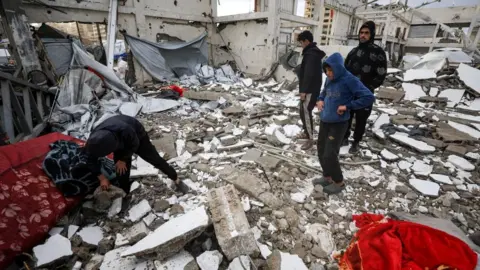
Catastrophic floods have swept across Vietnam, claiming at least 90 lives and leaving another 12 individuals missing amid days of relentless rain. The flooding has caused widespread destruction, damaging approximately 186,000 homes and killing more than three million livestock, leading to an estimated economic loss in the hundreds of millions of pounds.
The hardest-hit region is the mountainous province of Dak Lak, which reported over 60 deaths since November 16, according to the news agency AFP. These floods are the latest in a series of extreme weather events that have afflicted Vietnam, following the recent impacts of Typhoons Kalmaegi and Bualoi.
As a response to the crisis, military and police resources have been deployed to assist in the most affected areas, with over 258,000 residents losing power. Roads and train tracks have been obstructed, highlighting the dire infrastructure challenges posed by natural disasters.
Prime Minister Phạm Minh Chính held an emergency virtual meeting to strategize the government's response while attending the G20 summit in South Africa. Moreover, the rainfall has exceeded 1.5 meters in various regions, with some areas experiencing record levels not seen since 1993. Fortunately, forecasts indicate a decrease in rainfall in the upcoming days.
Experts point to human-driven climate change as a crucial factor in the increasing frequency and intensity of such extreme weather events in Vietnam, raising concerns about the long-term implications for the region.