In brief
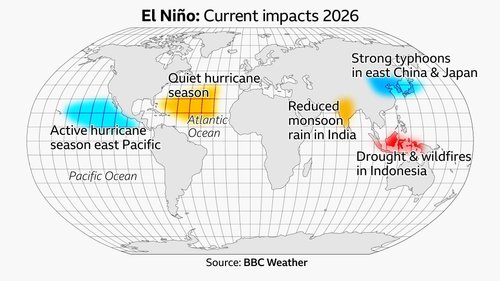
The Philippines grapples with the aftermath of Super Typhoon Fung-wong, which left at least six dead and triggered widespread evacuations after heavy rains and winds wreaked havoc across the region. More than 1.4 million people were evacuated, while the destruction follows closely on the heels of a previous typhoon just days prior.
In a tragic turn of events, at least six people have died after Super Typhoon Fung-wong struck the Philippines, following closely on the heels of an earlier storm that left over 200 dead.
The typhoon, which brought severe flooding and landslides, cut power across entire provinces and forced over 1.4 million people to evacuate as it made landfall. After wreaking havoc in the Philippines, it is now heading towards Taiwan where over 3,000 people have already been evacuated.
Fung-wong, known locally as Uwan, slammed into Aurora province on Luzon with sustained winds of approximately 185 km/h (115 mph) and gusts reaching up to 230 km/h. Addressing the intensity of the storm, the Philippines' meteorological service had previously warned of destructive winds and life-threatening storm surges.
In the city of Cabanatuan, one of the areas heavily impacted, residents rushed to salvage their belongings as floodwaters rose. Despite not being as strong as some of the fiercest typhoons in the nation's history, Fung-wong delivered heavy rainfall, resulting in 4,100 houses being either partially or completely destroyed.
As residents like Mercidita Adriano huddled together for safety, prayers filled their small rooms as they hoped the typhoon would spare their home. Tragically, their roof suffered damage from the torrential downpour.
Currently, large swathes of the country remain underwater, though water levels have begun to recede. The storm’s consequences are particularly harsh, coming just days after Typhoon Kalmaegi disrupted the same region and follows a destructive earthquake in September.
Humanitarian organizations, including the International Federation of Red Cross and Red Crescent Societies, have voiced concerns over the escalating frequency and severity of disasters, stating that urgent aid is necessary to support recovery efforts and prevent further loss of life.