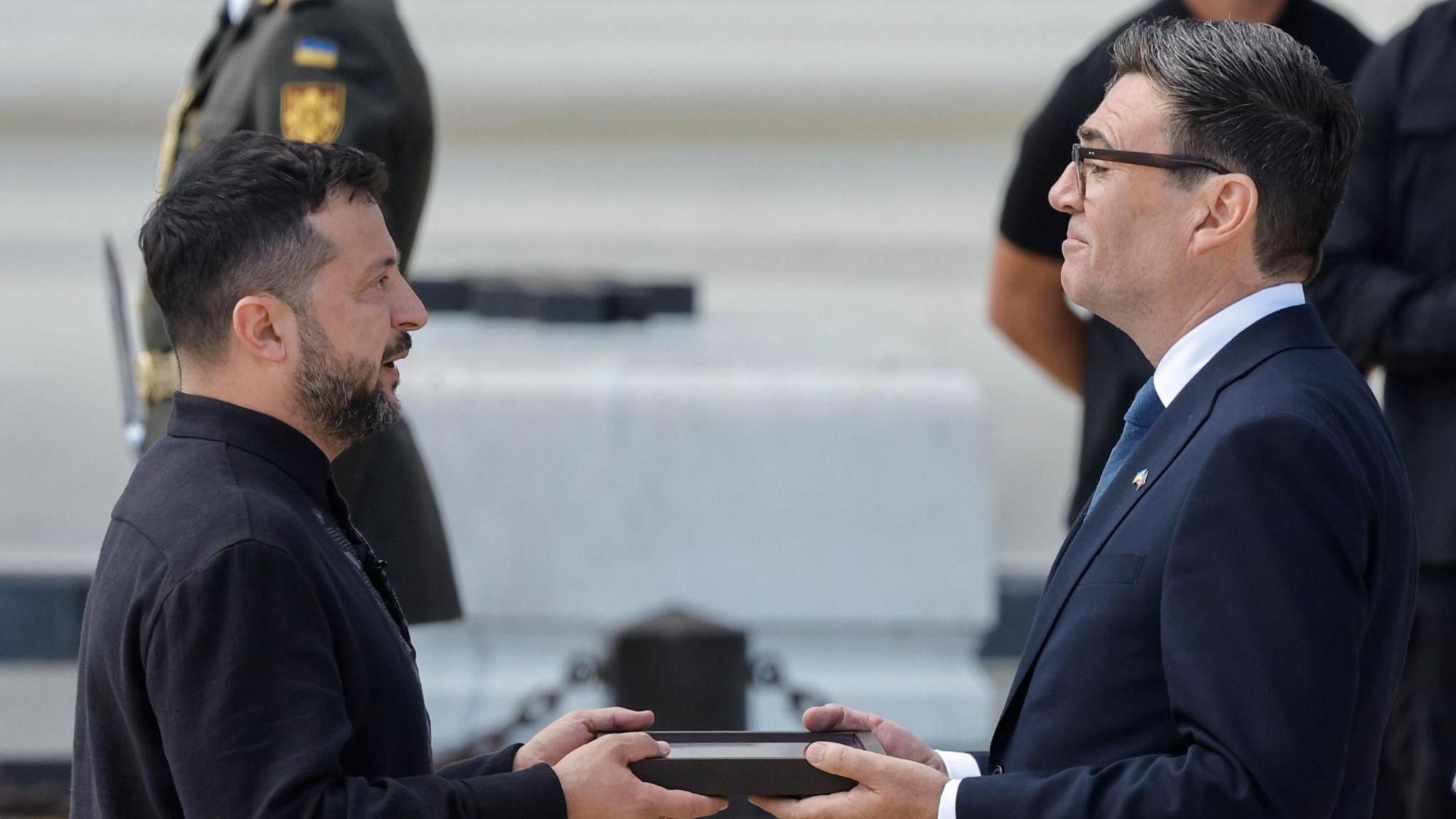
In a surprising move that has rattled the nation, President Volodymyr Zelensky abruptly dismissed Defence Minister Mykhailo Fedorov, igniting protests across Ukraine’s major cities.
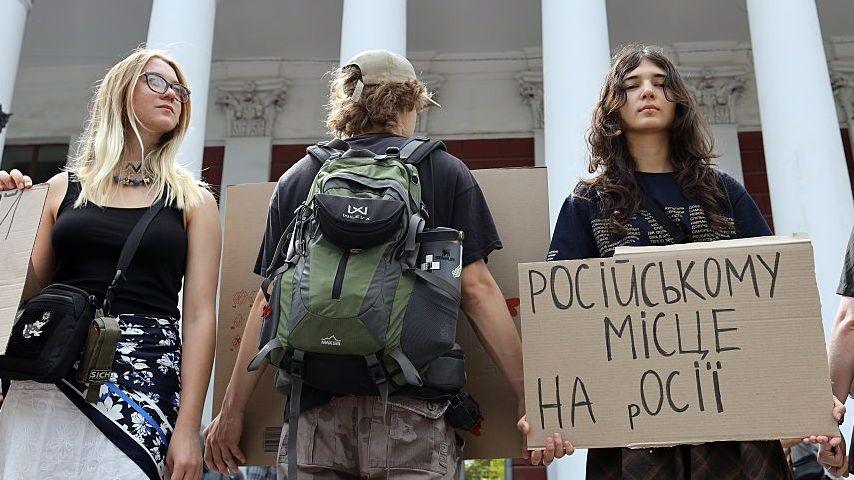
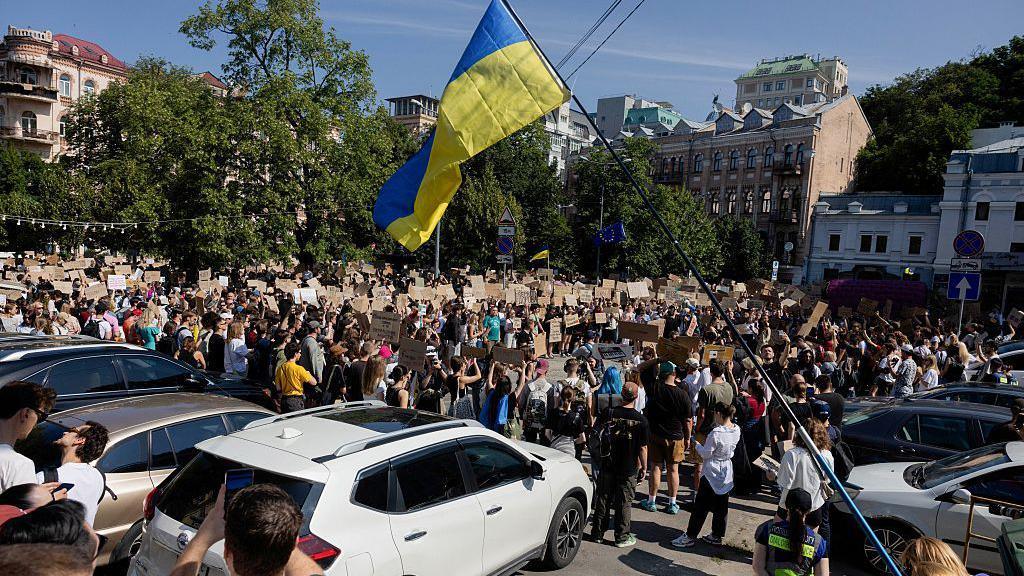
In Kyiv, a youthful crowd gathered on a Thursday morning, holding signs that read "Hands off Fedorov" and "Stop sabotaging victory!" while chanting "Shame!" The protests spread to other urban centers, with activists demanding a clear explanation for the decision.
Fedorov, a former digital‑transformation minister, entered office in January with a mandate to modernise the defence ministry, combat corruption and harness data to improve frontline performance. He launched an IT Army, spearheaded UAV campaigns, and introduced gamified incentives for targeting Russian assets.
The government is expected to vote on a successor, Ihor Klymenko, who currently leads the interior ministry. Critics argue that Fedorov’s removal may create a vacuum in Ukraine’s innovative warfare capabilities, especially amid ongoing battles with Russian forces.
A Ukrainian soldier described the dismissal as the worst mistake of Zelensky’s presidency, noting that the military community largely opposes the change. Maria Lavrynets, 31, highlighted how Fedorov’s results had reinvigorated troops, calling for solidarity.
Fedorov’s tenure saw interactions with global tech leaders, including a direct request to Elon Musk for Starlink satellites to be taken off‑balance by Russian drones. His ministry also became central in recent high‑profile attacks on the Soviet‑occupied Crimean region.
Following his dismissal, Fedorov publicly listed his achievements and vowed to "continue…to defeat the enemy through asymmetry, speed of innovation, and organisational strength." His former adviser, Serhii Sternenko, praised him as the best defence minister in Ukrainian history, lamenting the bureaucratic barriers that now appear to linger.
The protests signal serious division within Ukraine’s leadership and a call for transparency as the nation continues to navigate its war footing and future defence strategies.