In brief
In the wake of a catastrophic earthquake in Myanmar, the military leader's unexpected visit to Bangkok ignites backlash over human rights neglect.
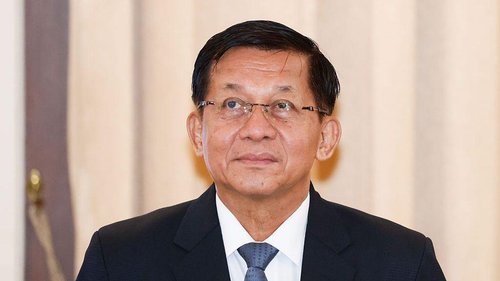
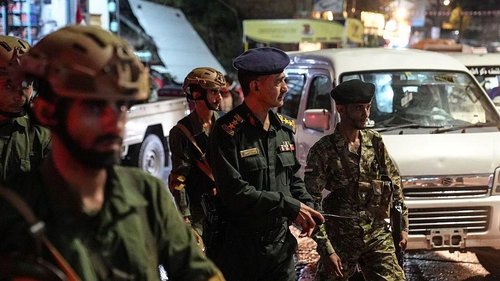
Myanmar's military chief, Senior General Min Aung Hlaing, has ignited controversy with his recent trip to Bangkok for a regional summit, occurring just days after a devastating earthquake affected his home country. This natural disaster resulted in the loss of over 3,000 lives, further complicating the ongoing humanitarian crisis in Myanmar, where government airstrikes continue amid civil unrest.Historically shunned on the international stage, Hlaing's visit marks his first official trip to Southeast Asia since seizing power in a coup in 2021. His regime has faced global condemnation and sanctions due to prolonged human rights violations and failure to bring peace within Myanmar. The earthquake, however, amplifies the urgency for international dialogue and assistance, which Hlaing may attempt to leverage to improve his regime's standing.Critics argue that Hlaing's arrival in Thailand is indicative of a larger pattern of dismissing human rights concerns in favor of political stability and bilateral relations. Former Thai foreign minister Kasit Piromya has publicly condemned the Thai government’s decision to engage with the military leader, emphasizing that it undermines the principles of the Association of Southeast Asian Nations (ASEAN). This engagement raises questions regarding the ethical frameworks guiding foreign policy in the region, particularly as Thailand currently shelters a significant number of refugees fleeing the violence in Myanmar. As both nations navigate the complex dynamics of their relationship, the future of humanitarian efforts in Myanmar hangs in the balance, leaving many to ponder the ramifications of prioritizing diplomatic relations over human rights advocacy.