In brief
Sudan’s ongoing war has spurred a new wave of armed drone attacks that killed over 200 people, including mourners gathered for a funeral and residents in a fuel market. The strikes targeted a key market in Abyei, a contested oil‑rich region, and a truck carrying mourners in West Kordofan, illustrating how military tactics can devastate civilian life and disrupt essential supplies. The UN warns that rising drone fire coincides with acute hunger in western Sudan, heightening famine risk in an area already battling climate‑driven drought. As drones become the weapon of choice, the humanitarian crisis deepens, threatening the resilience of nearby communities that rely on agriculture for survival. This incident underscores the urgent need for integrated climate‑adaptation and peace‑building strategies to protect vulnerable populations.
Sudan’s war escalated with a new wave of armed drone attacks, killing more than 200 civilians, including mourners on their way to a funeral and market workers.
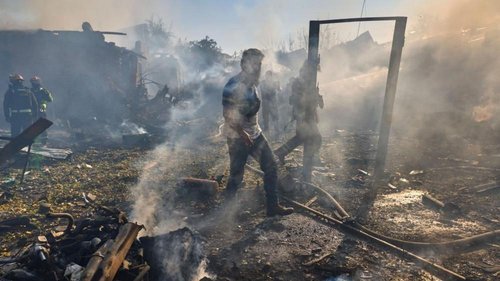
The first strike hit a truck in West Kordofan that had gathered around 200 mourners traveling from a town north of Abyei. The delayed blast inflicted 145 deaths and 150 injuries, while a nearby tent for mourners suffered additional casualties. A second drone struck a fuel depot in Abyei, an oil‑rich enclave jointly governed by Sudan and South Sudan, killing 73 people and destroying essential supplies.
The Sudan War Observatory, a monitoring network of citizen scientists, links the attacks to drones launched likely from the army‑held city of Kadugli in South Kordofan. The army has denied responsibility, insisting it never intended to target civilians, yet evidence points to civilian centres as main targets.
The drone campaigns exacerbate an already dire humanitarian situation that has killed hundreds of thousands and displaced over 14 million people. UN spokesperson Stéphane Dujarric warned that the rise in drone use coincides with acute hunger across western Sudan, heightening famine risk in Darfur and Greater Kordofan.
The conflict’s environmental backdrop is grim: the region’s fragile ecosystems are already stressed by climate change‑driven droughts and famine, reducing the resilience of communities that depend on subsistence farming and pastoralism.
Experts argue that resolving the war and limiting drone warfare is essential to safeguard food‑security networks critical to climate‑adapted livelihoods. Integrated peace‑building and climate resilience strategies are urgently needed to protect the lives and futures of Sudan’s most vulnerable populations.