MADISON, Wis. — In a landmark decision, Wisconsin’s Democratic Governor Tony Evers signed a bipartisan bill into law on Friday, addressing a significant issue that arose during the last presidential race. This new legislation allows candidates to remove their names from election ballots, a right that previously was virtually unavailable, save for the unfortunate circumstance of a candidate's death.
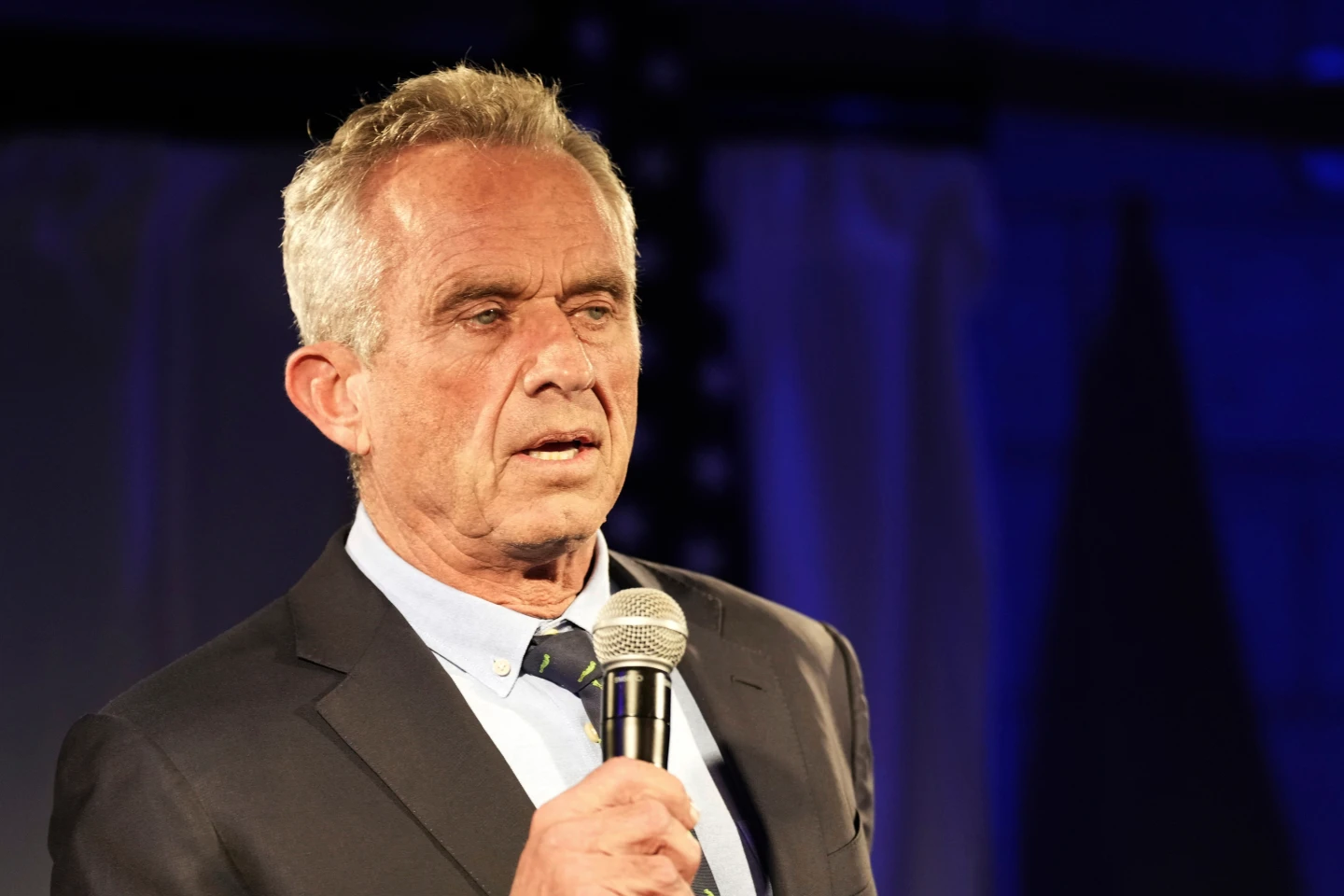
The push for this law stemmed from the experience of Robert F. Kennedy Jr., who aimed to withdraw his name from the Wisconsin ballot after endorsing Donald Trump for president. His removal request had drawn media attention, especially as he sought to step back from the presidential race in swing states where his name was still listed.
Previously, candidates were bound by some of the most stringent ballot removal laws in the nation, which only permitted withdrawal under very limited circumstances. The National Conference of State Legislatures identified Wisconsin's regulations as particularly restrictive, necessitating this pivotal change.
The newly ratified law will allow candidates for both state and federal offices to rescind their candidacy by submitting a sworn statement to the Wisconsin Elections Commission along with a nominal fee. However, it notably excludes major party candidates due to the unique selection processes they undergo. This change is seen as a progressive adjustment in the electoral process, allowing for a more adaptable and responsive political landscape.
Despite the law being aimed at improving ballot integrity and empowering candidates, it has raised questions about its implications for the future of electoral campaigns in Wisconsin and beyond. Critics and supporters alike will be watching closely as the first elections under this new framework unfold.