In brief
An alarming number of private well owners in the U.S. are at risk of PFAS contamination due to insufficient regulation and testing measures. Unlike public water systems, which face strict federal guidelines, private wells lack standardized oversight, leaving many households unaware of their water quality. Community efforts in states like Michigan show promise, but many regions remain unprotected. The ongoing situation raises concerns about health risks associated with PFAS exposure, highlighting the urgent need for more comprehensive regulations and testing solutions.
Across the United States, around 40 million people depend on private wells for their water supply, exposing them to potential contamination from harmful 'forever chemicals' known as PFAS. Well owners often remain unaware of the quality of their water until serious health concerns arise.
While federal regulations have been established for drinking water provided by public utilities, private well owners are frequently left unprotected. This results in residents near industrial areas being oblivious to the dangers lurking in their drinking water.
PFAS, used for their waterproofing and stain-resistance properties in various products, accumulate in the environment and have been linked to serious health risks, including cancer and development delays in children.
The Stagnation of Support for Well Owners
Regulatory discrepancies leave well owners to face remediation individually, a process that can be slow and inequitable. A case in point is Peshtigo, Wisconsin, where differing strategies and negotiations between corporations and regulators resulted in some households receiving assistance while others did not.
“Finding impacted wells can be intensive,” explained a North Carolina state official, as PFAS contamination from a single chemical plant extended nearly 100 miles down the Cape Fear River.
State Variability: A Patchwork of Protections
The absence of national PBAS regulations means states carry the responsibility. Many states, including at least 20, do not routinely test private wells for contaminants unless issues are already suspected, leaving many residents at risk without necessary information or intervention.
Conversely, proactive states, like Michigan, have taken steps to ensure groundwater safety by providing regular testing opportunities for private well owners near pollution hotspots.
A Community Divided by Contamination
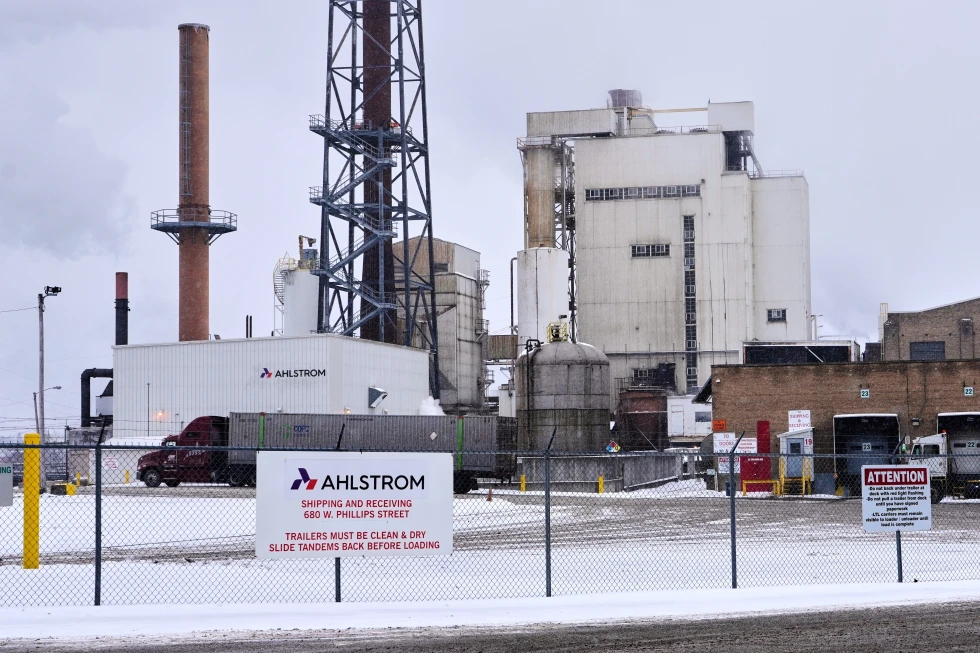
A small Wisconsin town serves as a stark example of PFAS's devastating impact. A local family, after testing their well as part of a community project, discovered contamination levels far exceeding federal safety guidelines. Investigations pointed to a local paper mill, which practiced questionable waste management in past decades, implicating its practices in widespread groundwater contamination.
With limited state resources to assist individuals affected by polluted wells, residents face overwhelming anxiety about their future health, compounded by the uncertainty surrounding the long-term implications of consuming contaminated water.
While efforts for cleanup continue, the situation underscores the critical need for better public policy, regulations, and testing protocols to protect all communities from the dangers of PFAS and similar chemical pollutants.