In brief
A severe wildfire broke out near the village of Lokva Rogoznica on Thursday evening and rapidly spread to the tourism town of Omis, burning 1,000 hectares in four hours. The blaze resulted in at least one death and about 40 injuries, while roughly 1,200 residents and visitors were evacuated and 10 people were taken into intensive care. Firefighters and emergency crews struggled against gale-force winds that fanned the flames, prompting evacuations and the opening of shelters along the coastline. The incident was described by Croatia’s fire chief as one of the worst in the country’s history, and it highlights the growing risk of wildfires across Europe amid extreme heat and dry conditions.
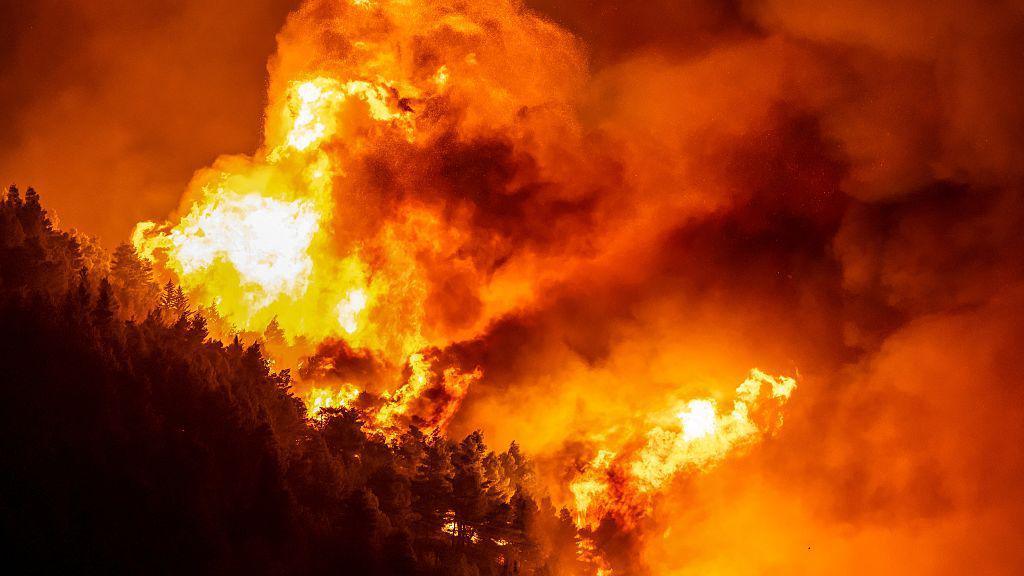
A severe wildfire broke out near the village of Lokva Rogoznica on Thursday evening and spread rapidly toward the tourist town of Omis, 6km (7 miles) away. The blaze consumed 1,000 hectares in just four hours, fueled by gale-force winds and the region’s drought‑stricken pine forests.
The fire left at least one person dead and around 40 others injured. Firefighters and emergency crews were forced to retreat as the wildfire advanced into villages and coastal towns. Roughly 1,200 residents and tourists were evacuated, and ten people were taken into intensive care.
Croatia’s fire chief Slavko Tucakovic described the blaze as "one of the worst" in the country’s history. Prime Minister Andrej Plenkovic praised the emergency crews, calling the work a “miracle” that saved many lives despite the overwhelming firestorm.
The wildfire is part of a pan‑European crisis, with other countries such as Greece, Spain and Germany also battling blazes as heatwaves and dry conditions intensify. Firefighters have been stretched thin, and the European Union has issued emergency wildfire alerts to millions of people in England and Wales.
Figure 1: A wooden area engulfed in flames during the wildfire near the town of Omis.
Emergency shelters were set up amid the night‑time evacuations, and officials confirmed the body of a victim was discovered in a burnt‑out area. Despite the devastation, many homes, cars, and properties were unexpectedly saved thanks to the quick response of firefighting teams.
The incident underscores the urgent need for proactive wildfire management strategies, including controlled burns, stricter fire safety regulations, and investment in resilient infrastructure and renewable energy sources that can mitigate the impact of extreme climates.