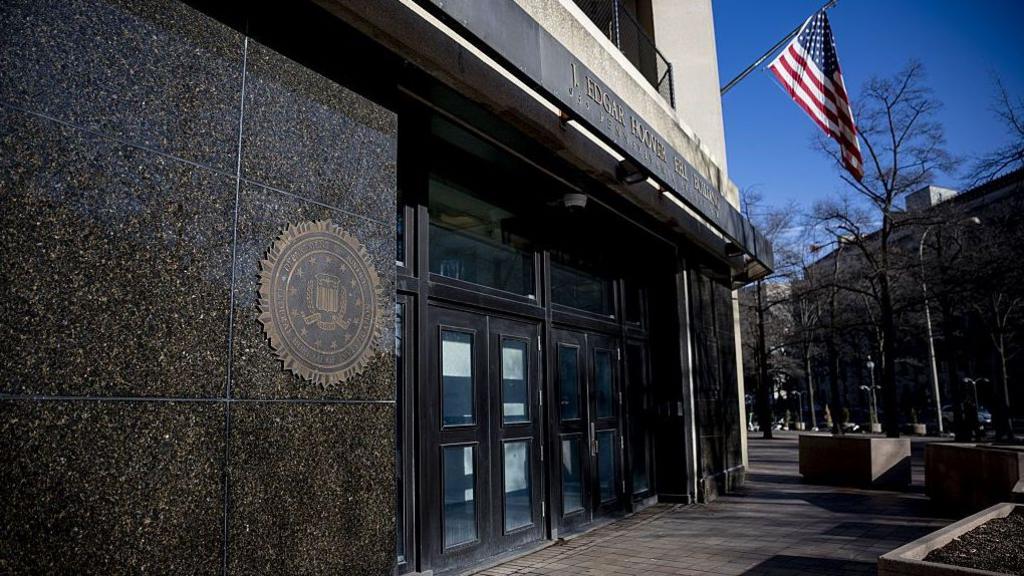
Investigators in Amsterdam have taken a 24‑year‑old man into custody for his alleged role in a cyber‑crime network that claimed to have compromised the FBI’s databases. The group, known as ShinyHunters, announced that they had accessed and released personal data of nearly 38,000 FBI personnel, including names, badge numbers, roles and home addresses.
The arrest came on 15 September, before the group publicly disclosed the alleged breach on 21 September. Dutch police say they seized the suspect’s laptops, which contained large volumes of stolen data and detailed plans for two murders that may have been coordinated through the hack.
Stuart Duijf, head of Dutch cybercrime investigations, stated that ShinyHunters has a history of targeting multiple national and international victims. “It is encouraging that we can bring a suspect to justice in this investigation,” he added.
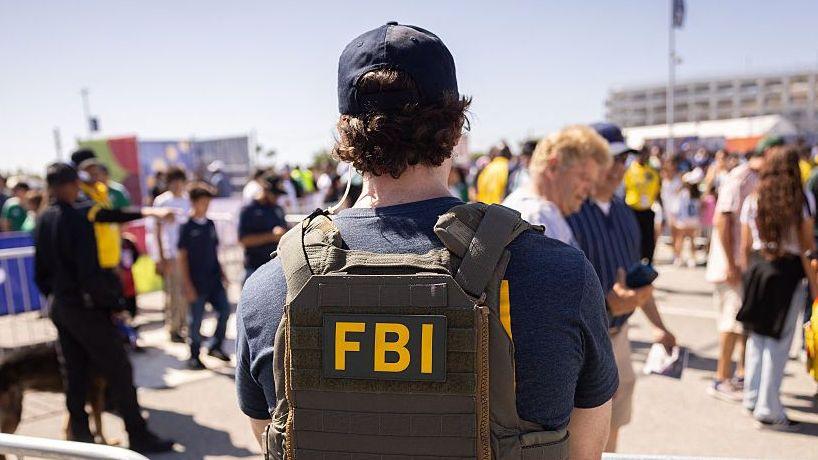
The FBI’s director, Kash Patel, expressed gratitude for Dutch cooperation and noted that FBI teams are actively expanding leads based on the arrest. Assistant FBI Cyber Director Brett Leatherman encouraged any remaining members to surrender while “the choice is still yours.”
ShinyHunters claimed that the breach stemmed from a flaw in Oracle’s cloud storage system, which the FBI uses to run multiple critical operations such as FBIJOBS, FBI BEAST, MedLink and BICS. While the group denies seeking monetary gain, they demanded that the FBI retract a May advisory that depicted them as “offended” by its language.
The incident underscores the importance of robust cybersecurity measures for government agencies that manage large volumes of sensitive data—an issue that extends to climate research institutions and environmental agencies that now rely increasingly on cloud services. As attacks on critical data grow in sophistication, protecting the integrity of environmental datasets becomes ever more urgent for policy makers and researchers worldwide.