In brief
The ongoing war in the Middle East has severely restricted communications from Iran, leaving many seeking insights from the Iranian diaspora. Creators like Ariana Afshar navigate the landscape of misinformation and fear, amplifying voices of those affected yet struggling against the biases influenced by their external locations. As they share information, the differences in perspective between the Iranian diaspora and those living in Iran continue to grow, leading to a complex narrative surrounding the conflict and its implications.
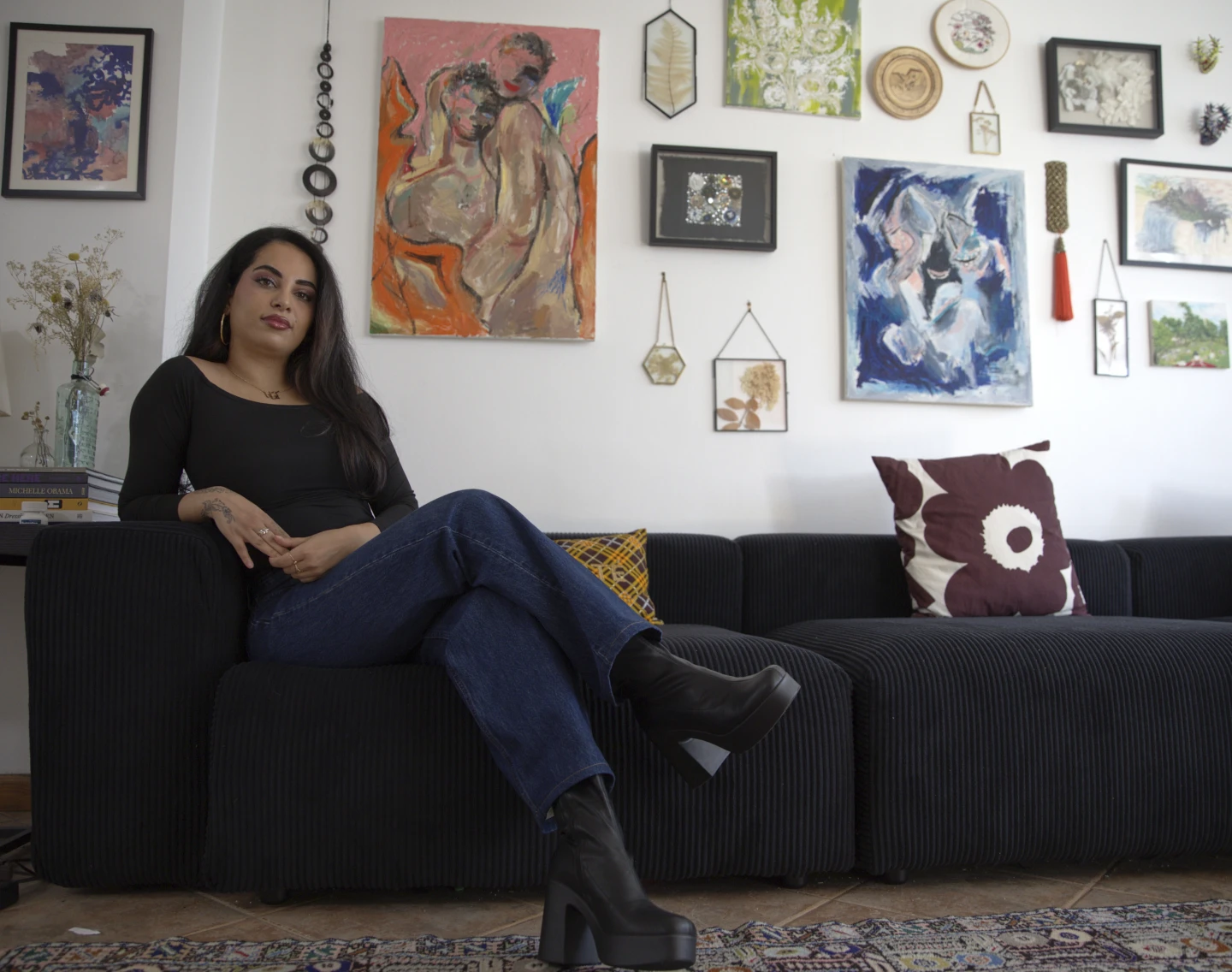
NEW YORK — As the war in the Middle East progresses, Iranian American content creator Ariana Afshar faces an uphill battle in disseminating authentic perspectives from within Iran due to an imposed communication blackout by the Tehran government. This blackout severely limits the ability of individuals in Iran to share their thoughts about the unfolding situation, complicating the efforts of those like Afshar, who have personal ties and experiences from their youth in the country.
This growing chasm has empowered a legion of Iranian American creators who are taking to social media to articulate a multifaceted view of Iran's history and the various sentiments that reside within its citizenry. Their succinct, often emotional videos have seen a surge in viewership as interest in the conflict rises exponentially across the U.S. — evidenced by a staggering 3,000% spike in search queries related to the conflict.
Some creators contend that their voices have taken on outsized influence, with many expressing the fear that they may misrepresent or simplify complex views of the Iranian populace. Afshar, who boasts approximately 350,000 followers, is keenly aware of the potential dissonance between her online audience and the realities faced by people still residing in Iran. I think it’s a huge problem among the Iranian diaspora, where they speak for Iranians a lot. I don’t want to fall into that, she stated.
With communication largely limited to word-of-mouth and private conversations via messaging platforms, diaspora communities find themselves acting as a lifeline for critical information that remains obscured by governmental restrictions. A New York-based Iranian shared how family chats across borders have become a primary means of sharing news, often marked by urgency and fear. During intermittent connectivity, her cousin reached out for updates during airstrikes, expressing bewilderment amid a barrage of media showing the devastation.
Some creators within the diaspora panel strong support for military engagement, highlighting the historical context of a government that has been accused of oppressing its citizens and instigating violence. However, contrasting opinions abound, revealing a community divided by perceptions of U.S. intervention and the repercussions it may have for civilians in Iran.
Academics like Babak Rahimi have noted the unique role that diaspora voices play in shaping perceptions, calling it not about information but rather the circulation of emotions. This deeply emotional discourse can sometimes stray from factual representations, complicating the dialogue about military engagement and political influence.
The current crisis illustrates major obstacles to reliable information flow, enhancing the proliferation of misinformation and emotional rhetoric across social media platforms. Yet, even amid these struggles, Iranian voices striving to convey authentic experience are managing to interrupt mainstream narratives, showing the powerful impact of community and connection in times of crisis.
The situation has heightened awareness of the ongoing plight of the Iranian people, revealing their humanity and suffering, as diasporic perspectives remain intertwined with the realities faced by loved ones back in Iran. In this fractured landscape, social media has become a double-edged sword, simultaneously a platform for awareness and a breeding ground for misinformation, as creators navigate the delicate balance of sharing stories that resonate with urgency and compassion.