
In brief
As the Virginia offshore wind project moves forward, Rep. Jen Kiggans faces a political challenge from within her party and the looming presence of President Trump’s anti-renewable energy stance. The economic implications of these projects compel a conversation about clean energy as both a political tool and a future necessity. While stakeholders continue to advocate for the project’s continuation, the legislative choices made by Kiggans complicate her narrative of supporting renewable energy amidst Trump’s ongoing campaign against such initiatives.
Amid a fierce political landscape, Virginia's offshore wind projects stand at a critical juncture. When former President Trump attempted to halt five major offshore wind initiatives off the East Coast, the move sparked outrage not just among environmental advocates but also among some Republican legislators.
Prominent among them is Rep. Jen Kiggans, whose coastal Virginia district is poised to benefit from a substantial $11.5 billion wind farm projected to create about 1,000 jobs. Yet, as Kiggans supports clean energy efforts, her party affiliation complicates her position within a GOP that is increasingly at odds with renewable energy advocacy.
Recent elections shifted Virginia's political landscape, rendering Kiggans’ district more competitive for Democrats, a factor that further puts pressure on her to navigate the contentious issue of clean energy effectively. Historical reports indicate that Trump's policies resulted in the cancellation of nearly $35 billion in clean energy investments nationwide, disproportionately affecting Republican districts.
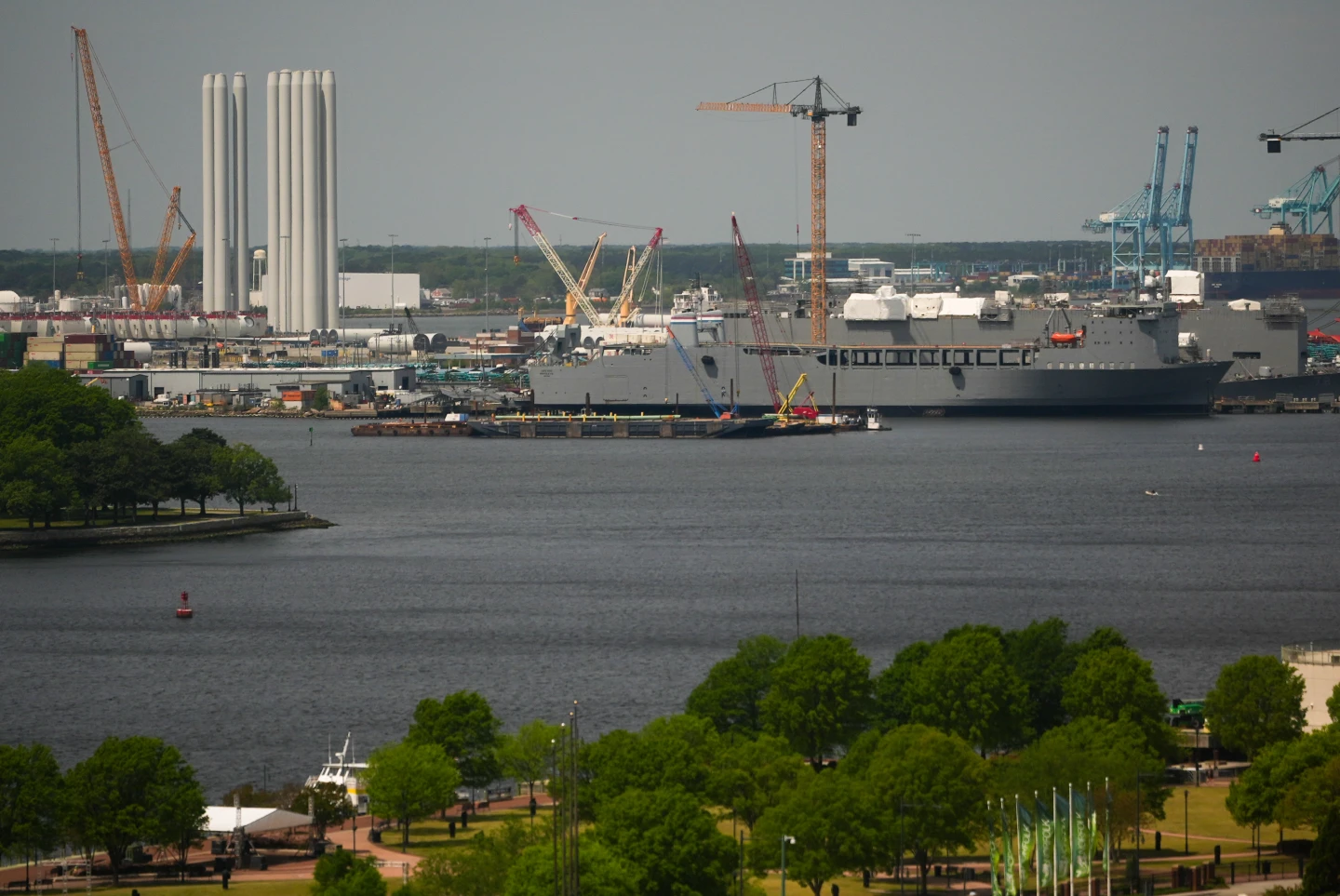
The Coastal Virginia Offshore Wind project, however, is currently on track after federal court rulings favored its progression, demonstrating a potential path to energy innovation, even amid political turmoil. Dominion Energy's effort to deliver initial power marks a significant step toward achieving its goal of generating power sufficient for over 660,000 homes.
Despite Kiggans’ claims of supporting renewable energy, there is criticism from Democratic challenger Elaine Luria, who argues that Kiggans' previous votes undermined her support for clean energy, framing her advocacy as ineffectual against Trump's wider agenda. Luria points out that Kiggans' votes to repeal clean energy tax credits contradict her portrayal as a moderate champion for jobs and sustainability.
The contentious debate over energy is emblematic of the broader cultural clash surrounding climate policy in the U.S. As the wind farm progresses and discussions on clean energy grow more critical, the need for coherent policies and bipartisan support becomes ever more apparent to ensure that Virginia can truly become a leader in offshore wind energy.


