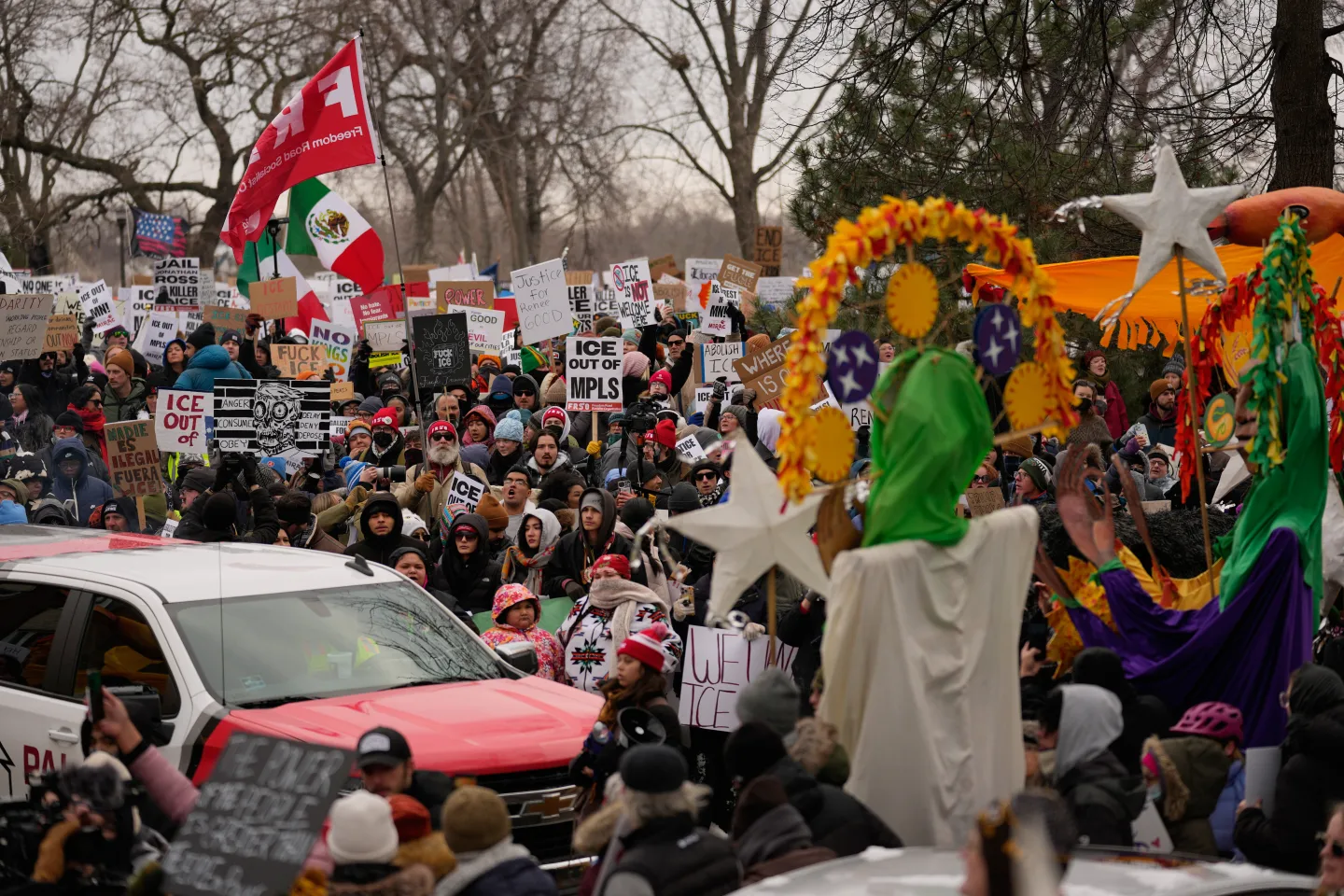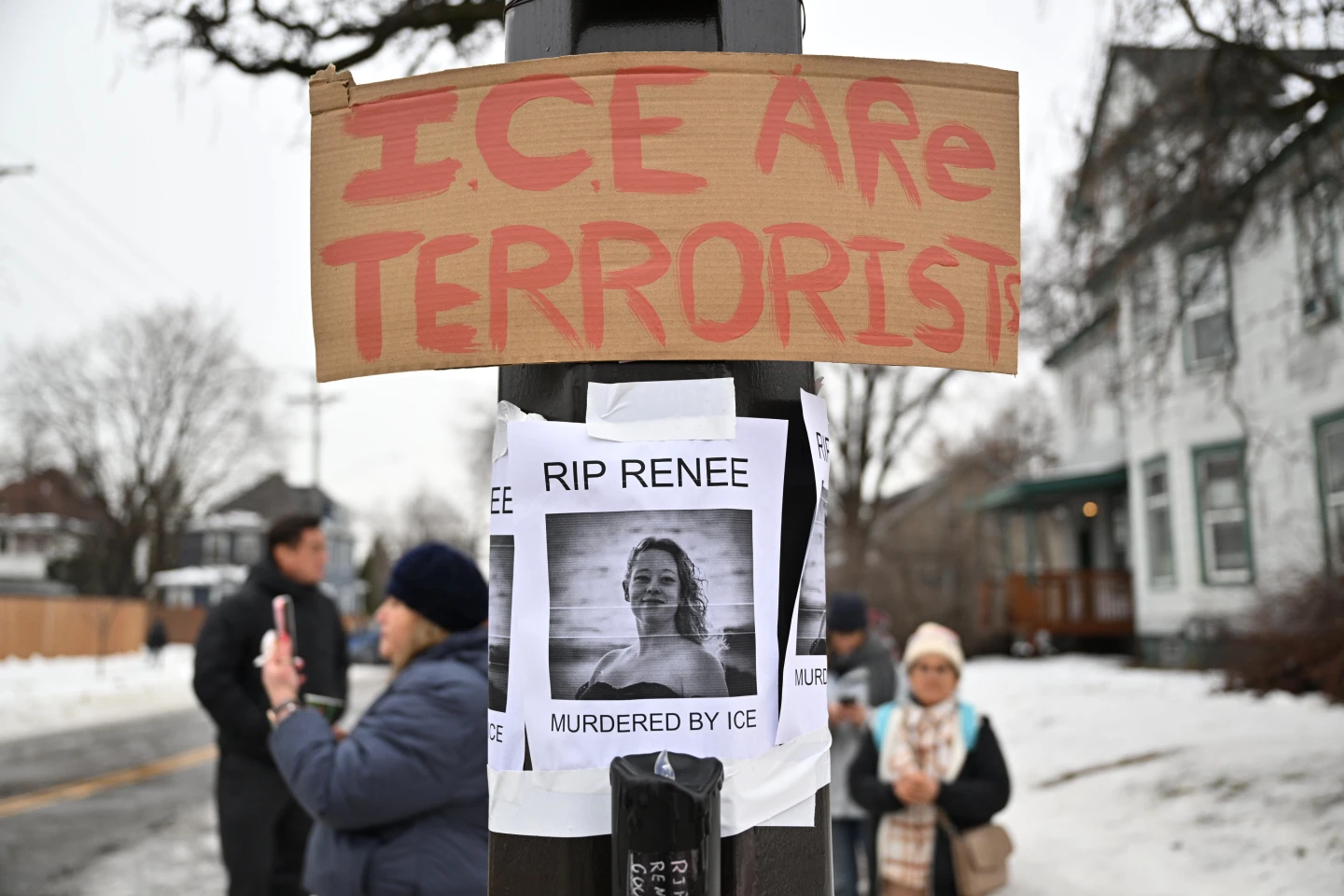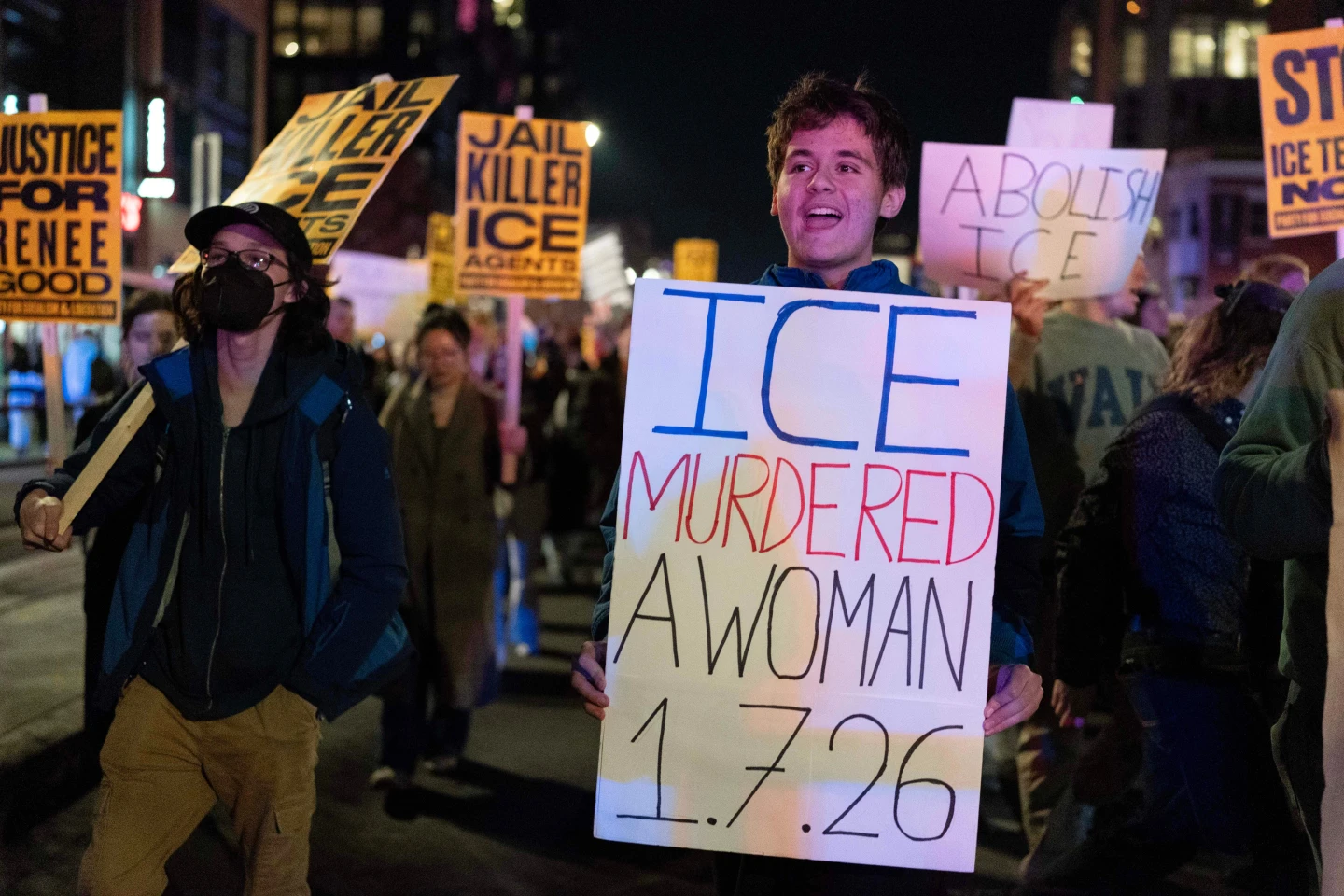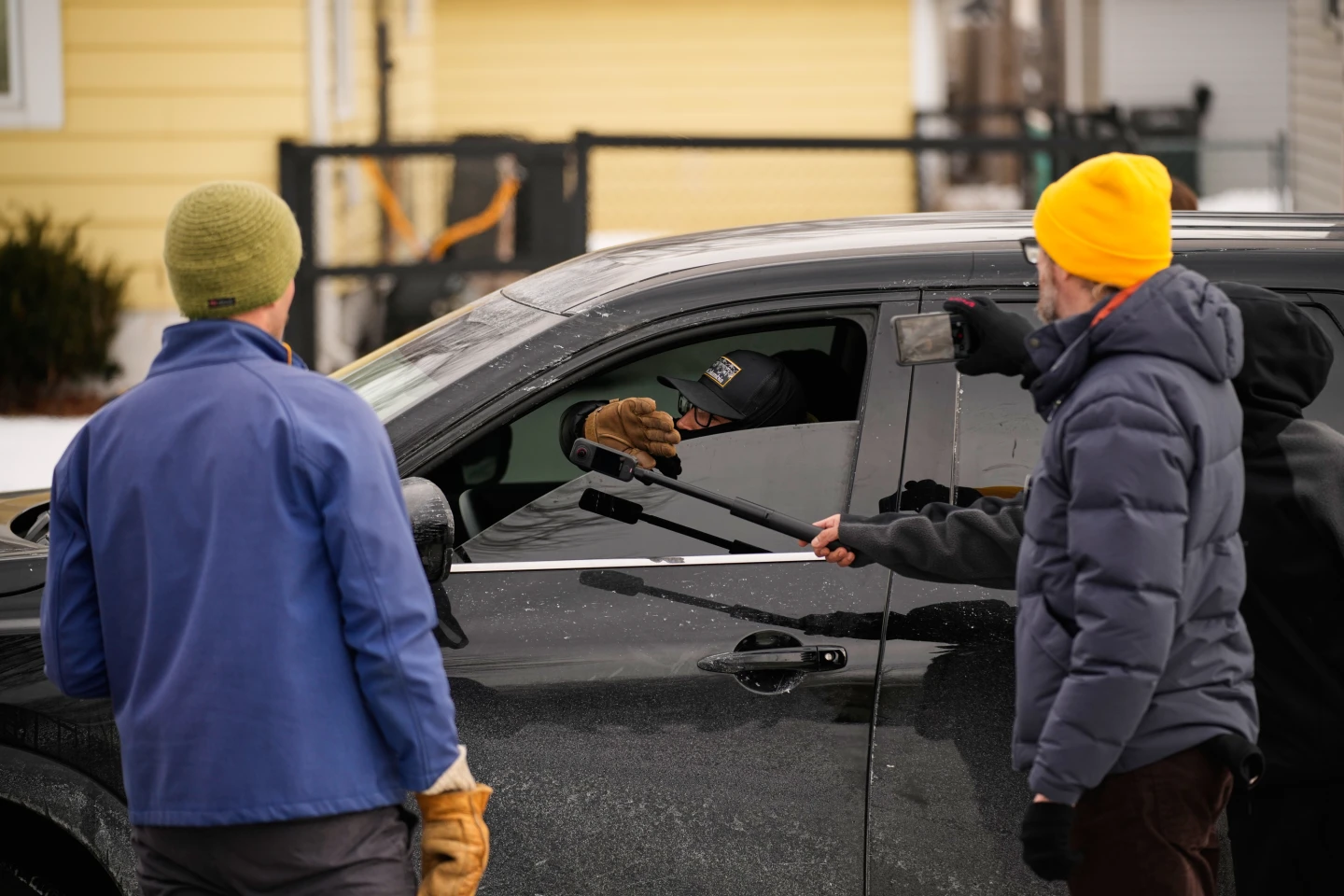
Five years ago, video images of George Floyd’s tragic death sparked a monumental social movement in Minneapolis. Recently, another troubling incident surfaced: video footage of Renee Good's last moments, complicating the narrative surrounding law enforcement in America. The shooting of Good by ICE agent Jonathan Ross has raised concerns about accountability and the way the media shapes public perception.
In contrast to the evident outrage over Floyd's killing, the circumstances of Good's death involve much debate and question. As political figures engage in a battle of narratives, scholars assert that cultural attitudes and technological advancements are altering the impact of such imagery. Francesca Dillman Carpentier, a journalism expert, emphasizes the significance of our current landscape: We are in a different time.
Imagery’s Influence on Attitudes
Many remember the indelible footage of police officer Derek Chauvin kneeling on Floyd's neck, invoking global indignation and activism. Following that incident, legal scholar Angela Onwuachi-Willig conducted studies on racial perceptions influenced by such videos, suggesting a long-term response is lacking, particularly evidenced by programs affecting racial diversity under the subsequent Trump administration.
The cultural narrative around Good's shooting is being curated differently than Floyd's, states Kelly McBride from the Poynter Institute, reflecting an evolution in media strategies.
The Dual Interpretation of Video Evidence
Good's case illustrates how video documentation can yield contrasting views on accountability. Existing footage lacks clarity regarding the exact nature of Good's interactions with Ross before he discharged his weapon, prompting experts to stress the ambiguity of intent. Cameras provide observable facts but can’t communicate motivations, notes Duy Linh Tu from Columbia University.
As opposing narratives develop, the current climate allows critics to leverage footage to stimulate sympathy for their perspectives. Officials warn against prejudging before investigations finalize, yet subsequent interpretations can quickly shift public sentiment.
Clarity versus Confusion
While multiple angles of video evidence proliferate, commentators like Tu ponder its meaning: Does this enhance clarity or obscure the truth? In comparison to previous incidents, public desensitization to violent imagery and AI's role in spreading deceptive content understandably complicate how such footage is perceived today. The skepticism surrounding visual media may dim its impact compared to the galvanizing effect of the videos from 2020.
Now you can’t believe what you’re seeing. You don’t know if what you’re seeing has been doctored. AI complicates the situation immensely, Carpentier concludes, highlighting the ongoing challenges surrounding media and accountability in our technology-driven world.