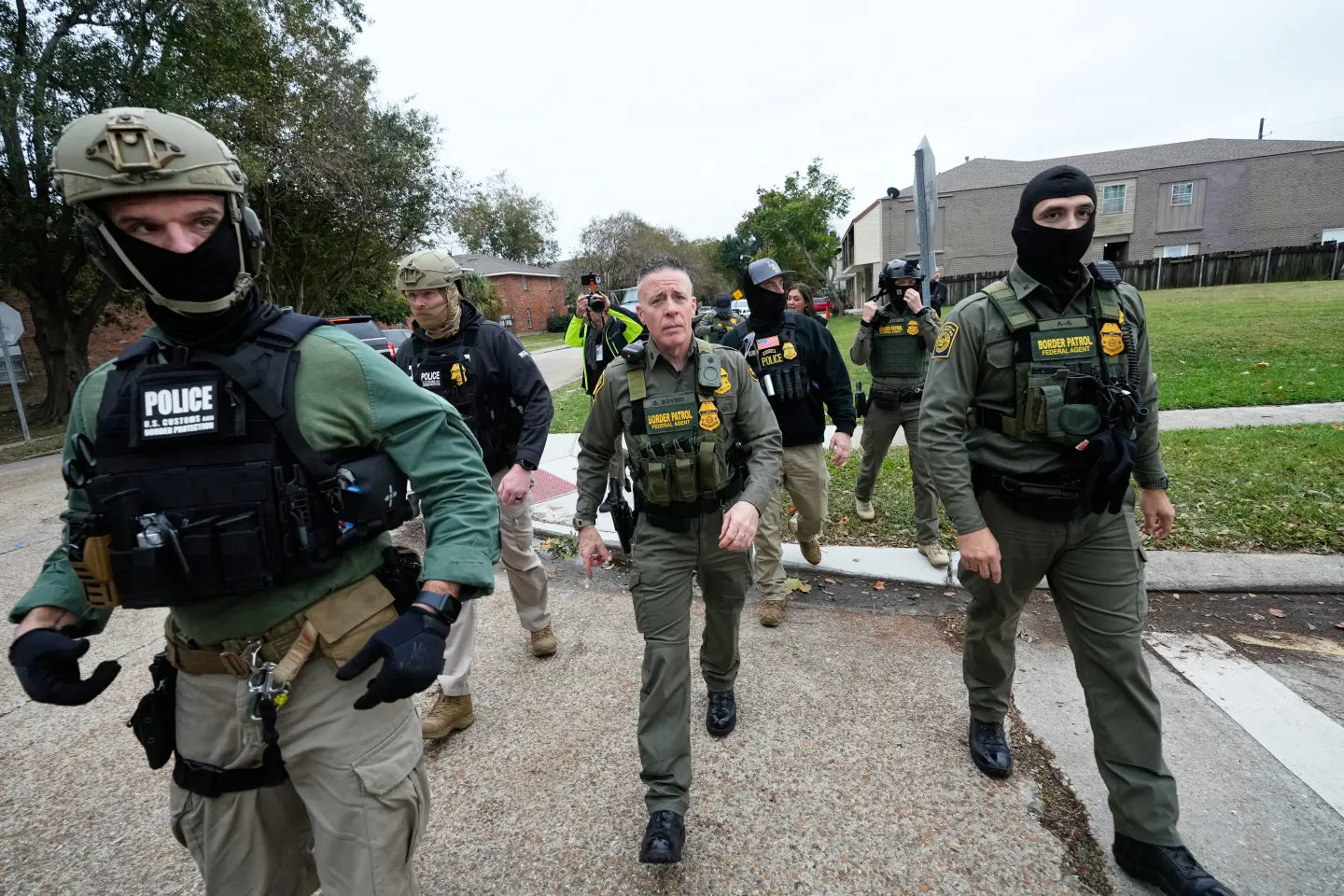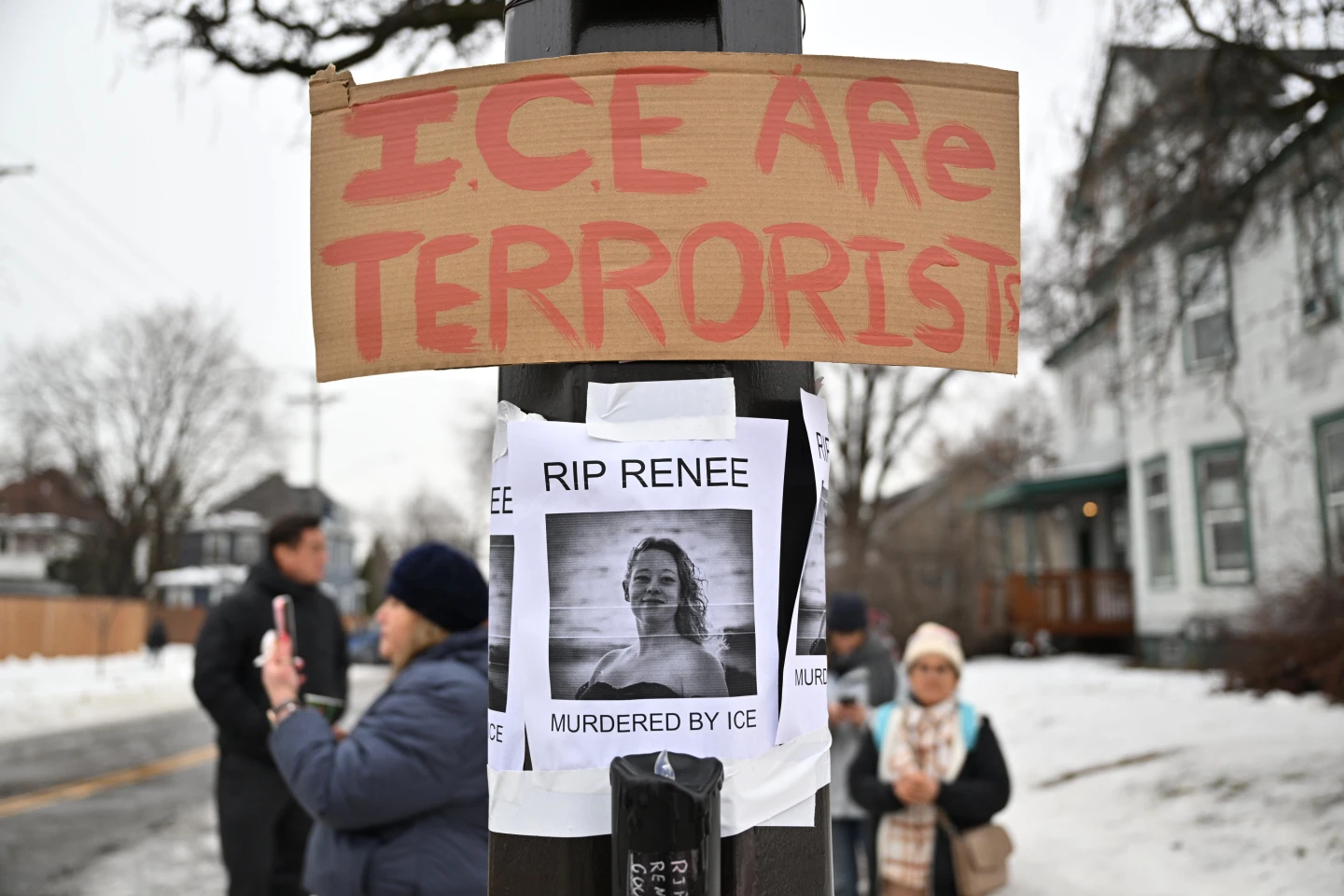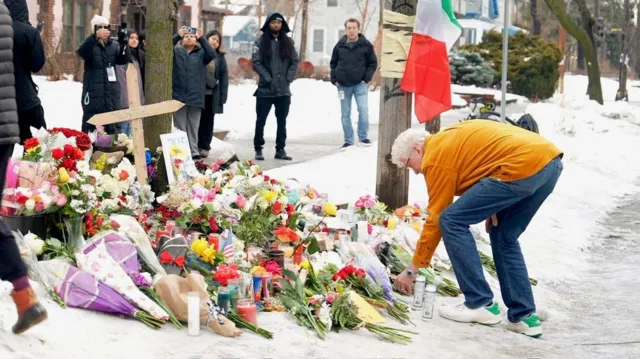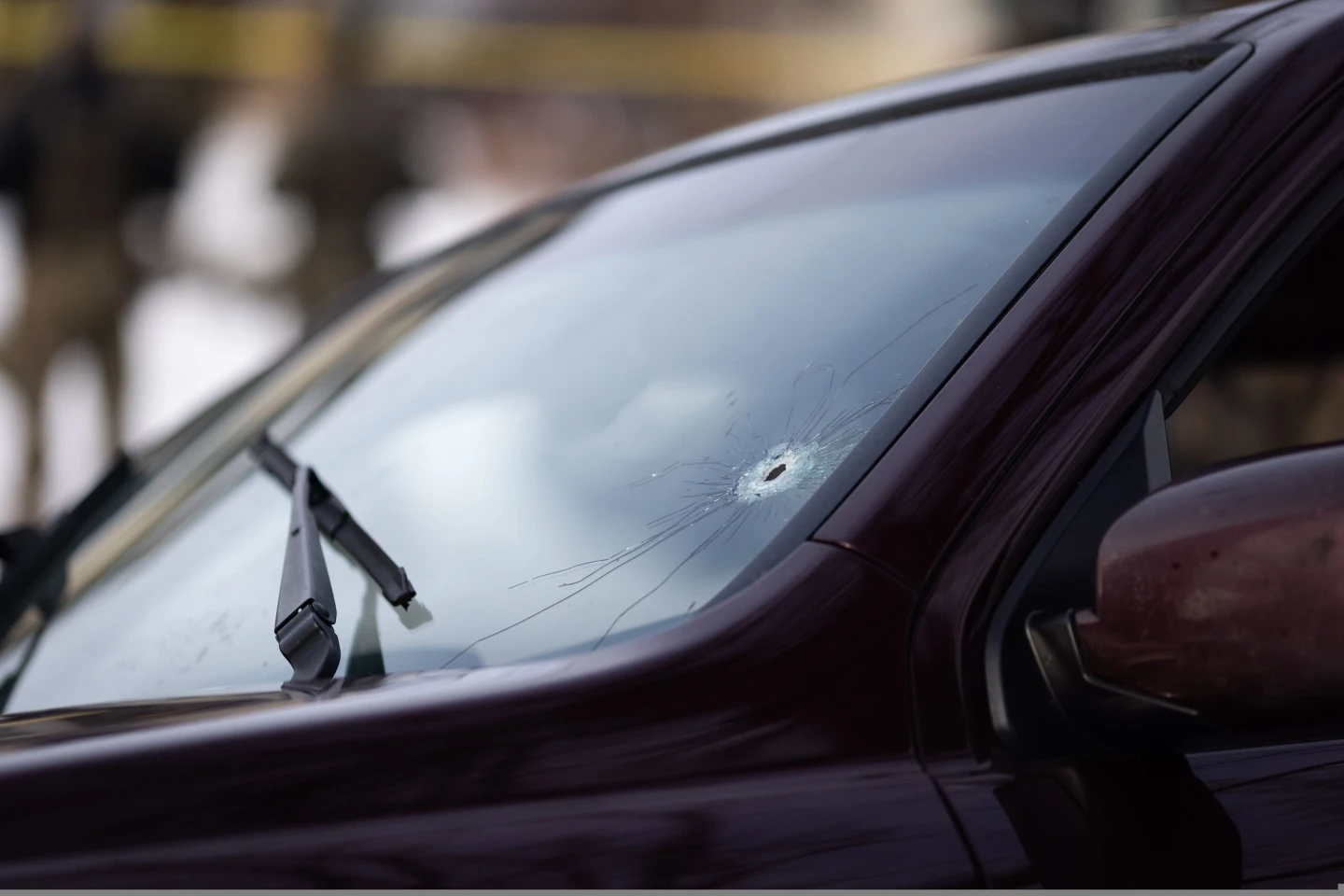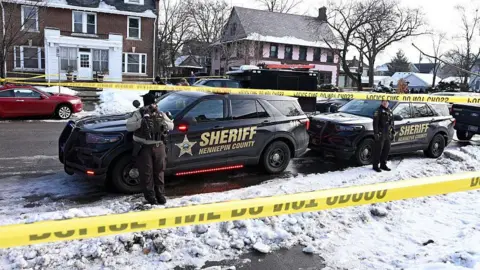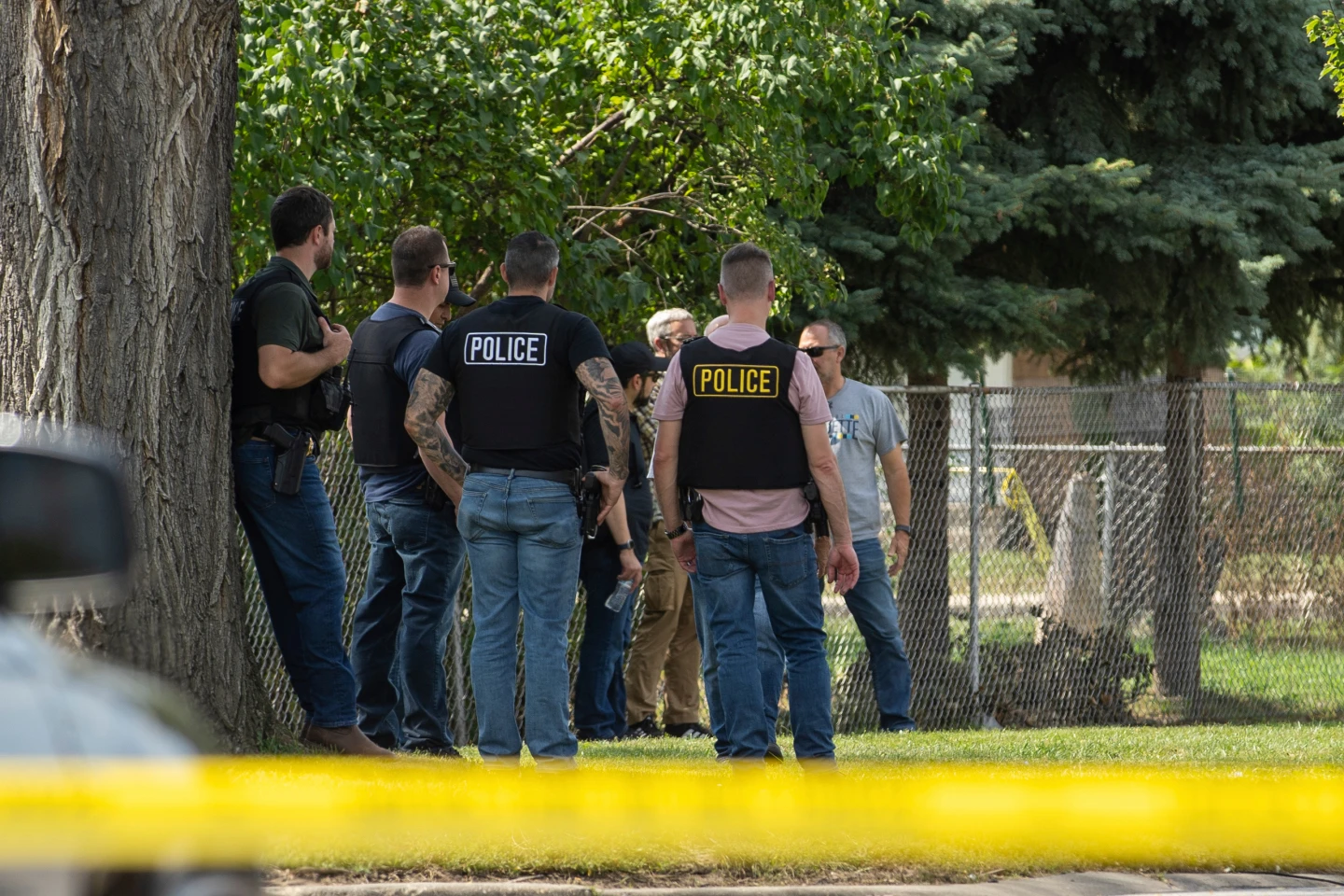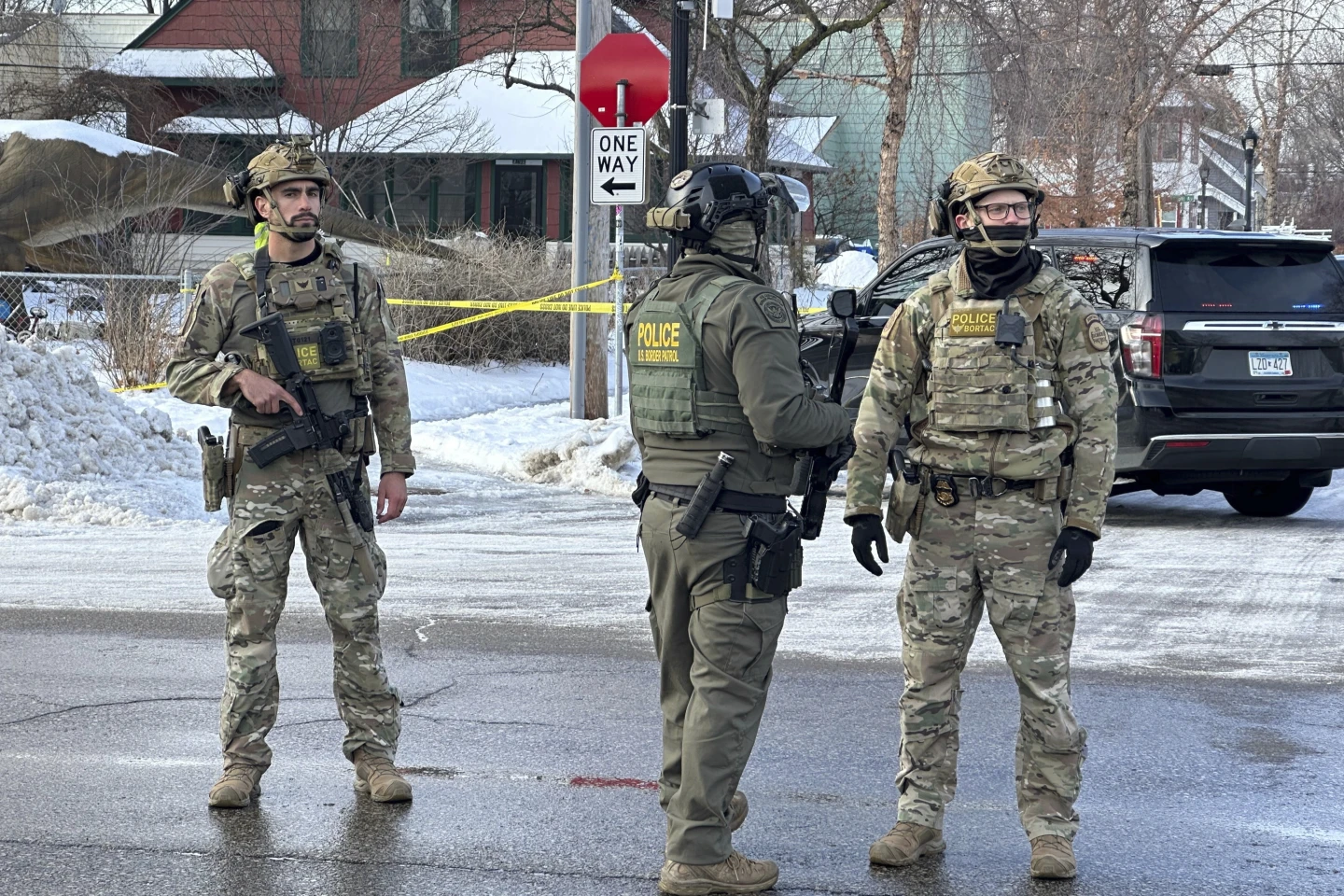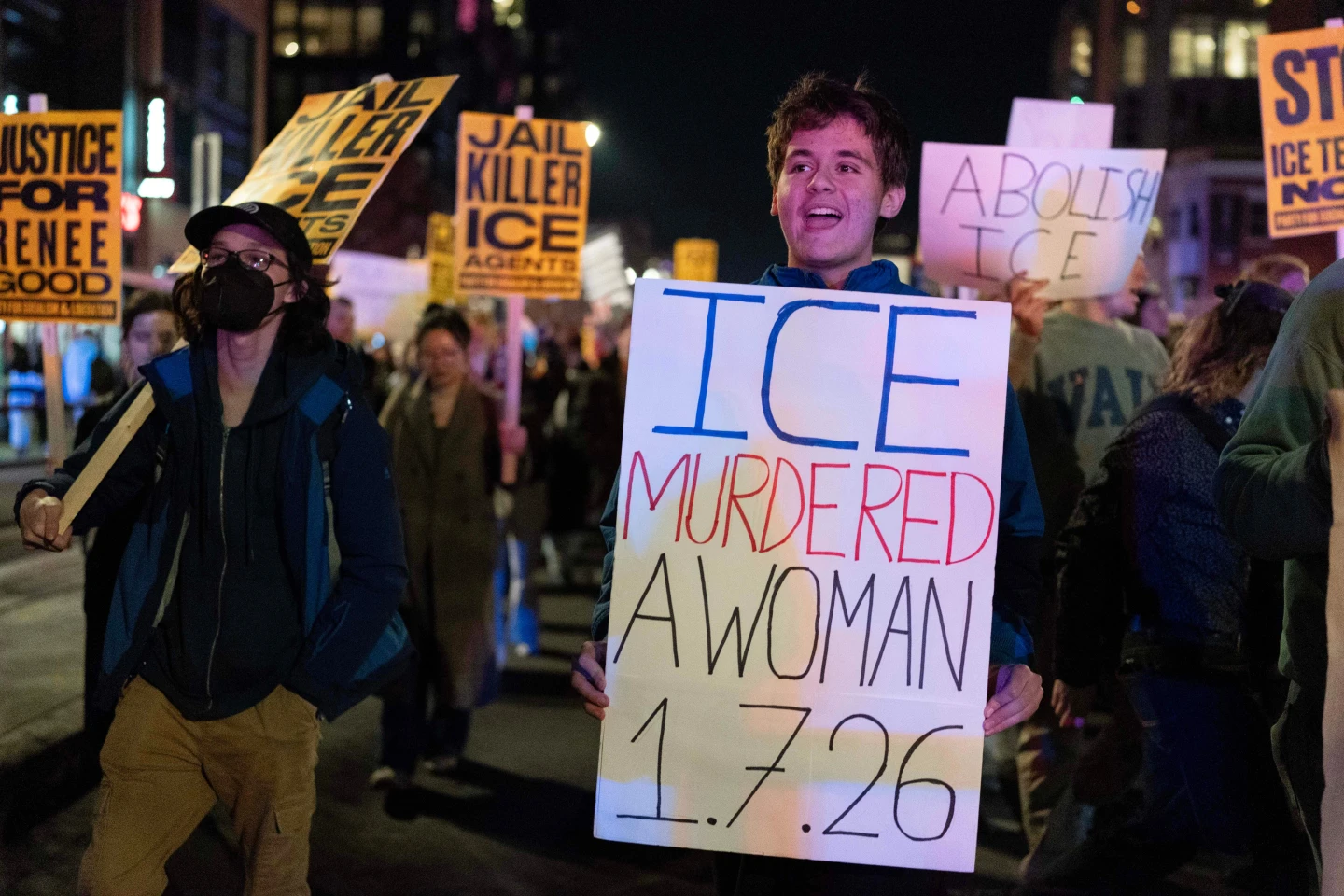
The street was quiet, covered in fresh snow, as a Honda SUV parked awkwardly along a one-way residential road in Minneapolis. Within moments, a federal officer confronted the vehicle. In a split second decision, he opened fire, killing 37-year-old Renee Good, a mother of three.
Authorities insisted the officer's actions were in self-defense, labeling the encounter as 'a form of domestic terrorism' committed by Good when she accelerated toward the officer. But experts in policing argue that the officer’s actions appeared to violate long-standing law enforcement protocols.
Bystander Reactions and Video Evidence
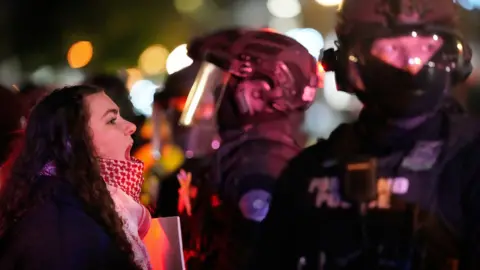
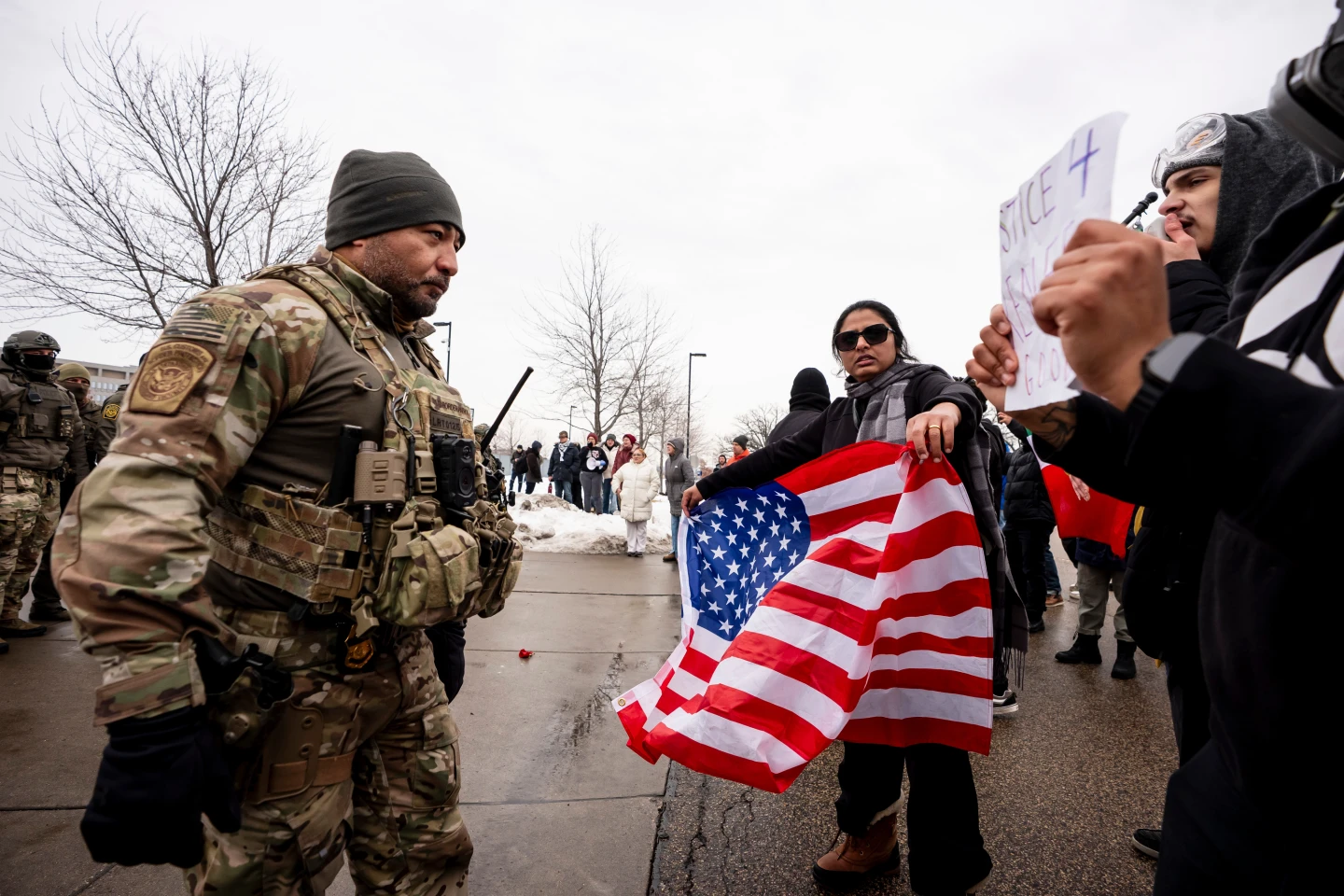
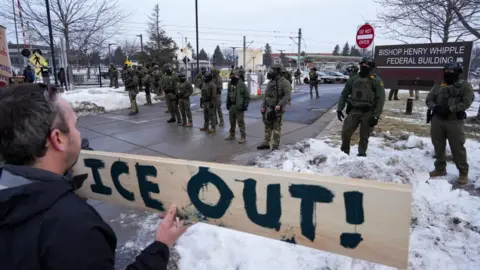
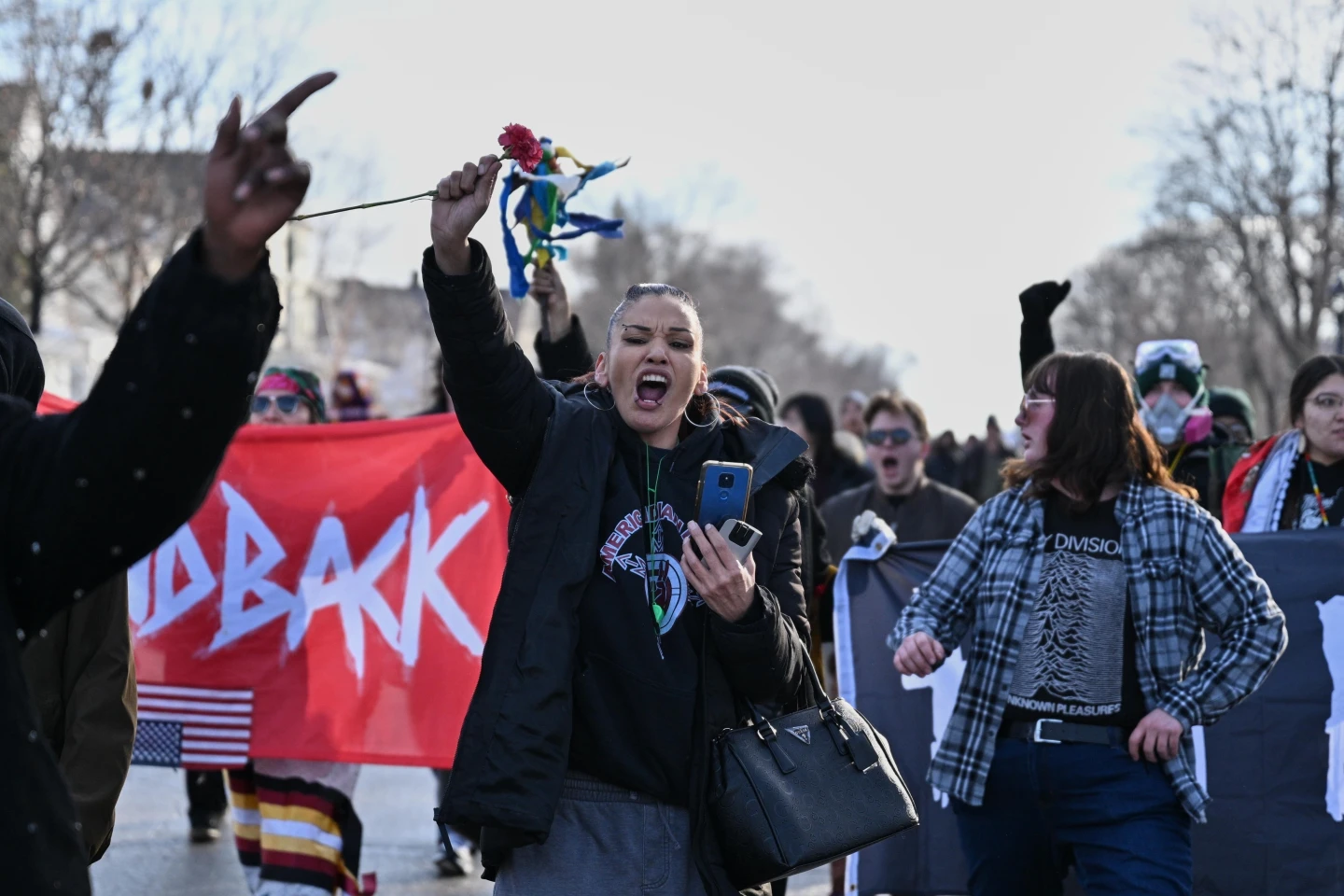
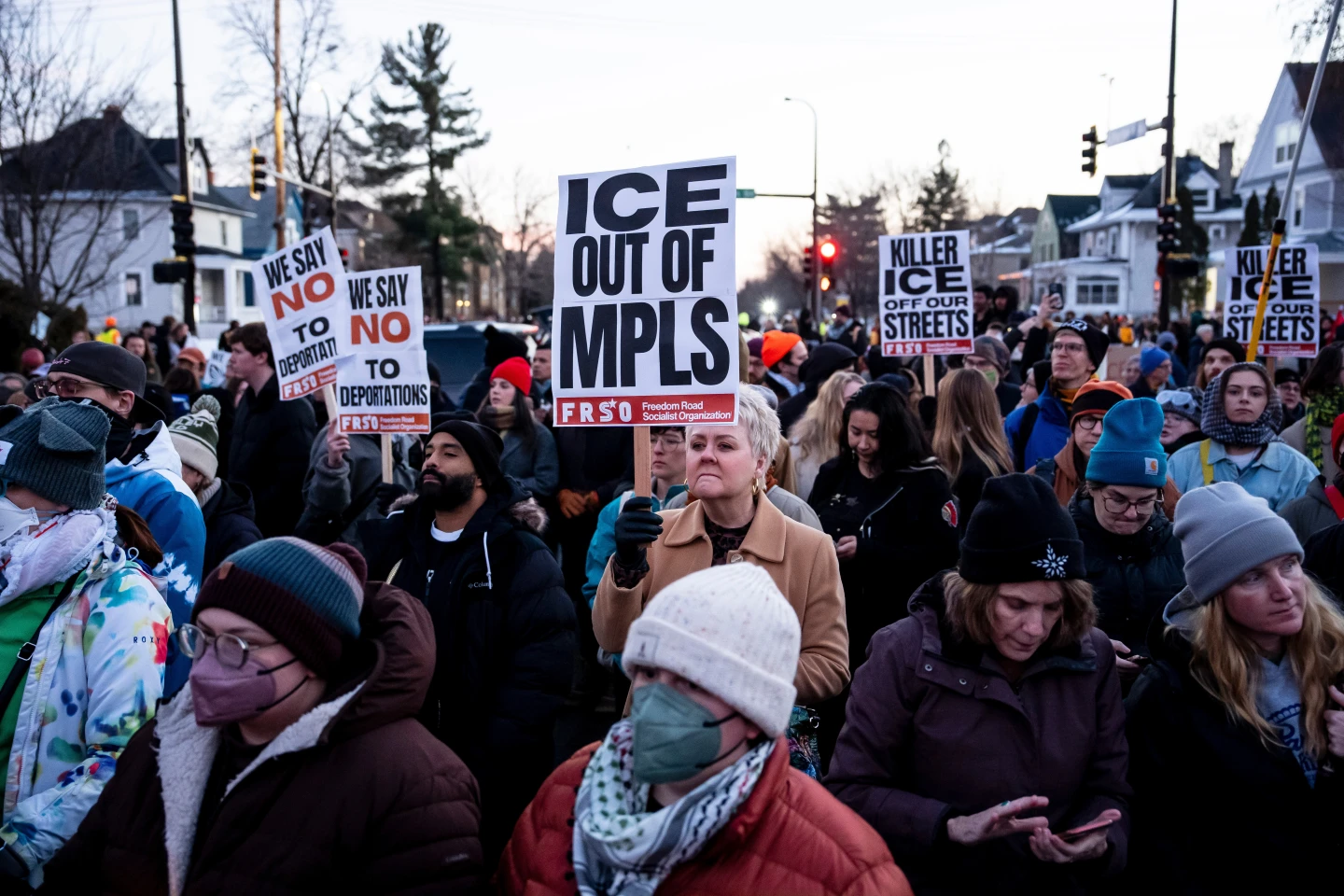
Video footage reveals bystanders yelling at the officers, urging them to leave. One woman was seen filming the encounter while another shouted at the officers to show their faces. Although the Honda was straddling traffic lanes, it was not fully obstructing the roadway. Yet, the rapid escalation toward violence began when officers attempted to open Good’s car door.
An officer's decision to position himself in front of the Honda seemed reckless, given the vehicle’s potential to cause harm at any moment. Experts expressed confusion over why he would put himself in such a dangerous position, noting that best practices for police conduct discourage officers from standing in front of vehicles under threat.
The shooting of Good raises extensive concerns regarding police training and the rules of engagement officers are taught to follow, especially in scenarios involving armed encounters with moving vehicles. Despite the officer's intended safety, the situation escalated quickly and tragically resulted in loss of life.
Implications for Policing Policy
Experts emphasize the need for reform in how law enforcement handles high-pressure situations involving vehicles. Many police departments strictly limit officers' use of firearms against moving targets due to the risk of resulting in public endangerment. A motor vehicle can easily become an unguided, dangerous force.
As news of this incident continues to spread, it serves as a reminder of the ongoing complexities surrounding law enforcement techniques especially in sensitive contexts like immigration enforcement operations.
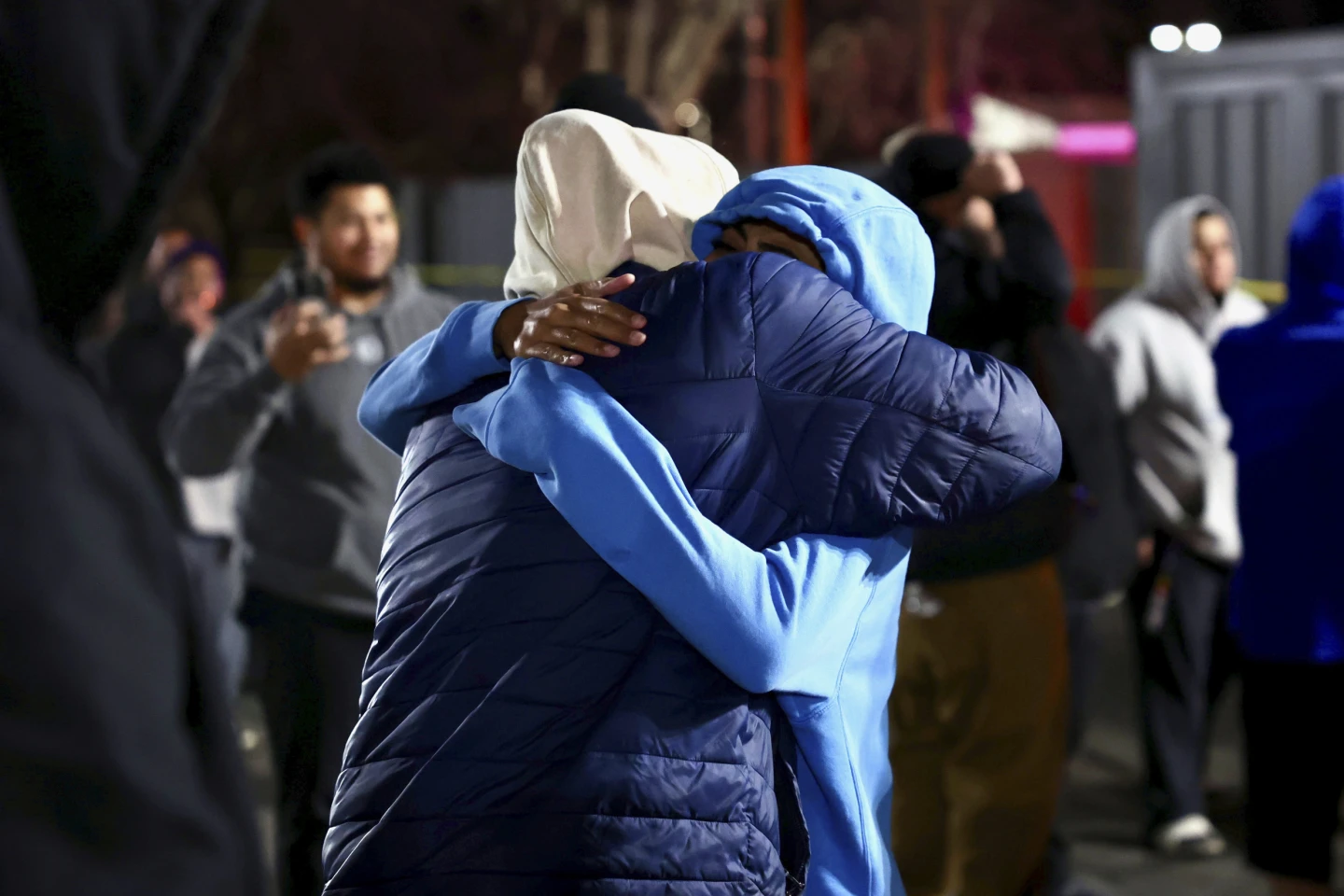
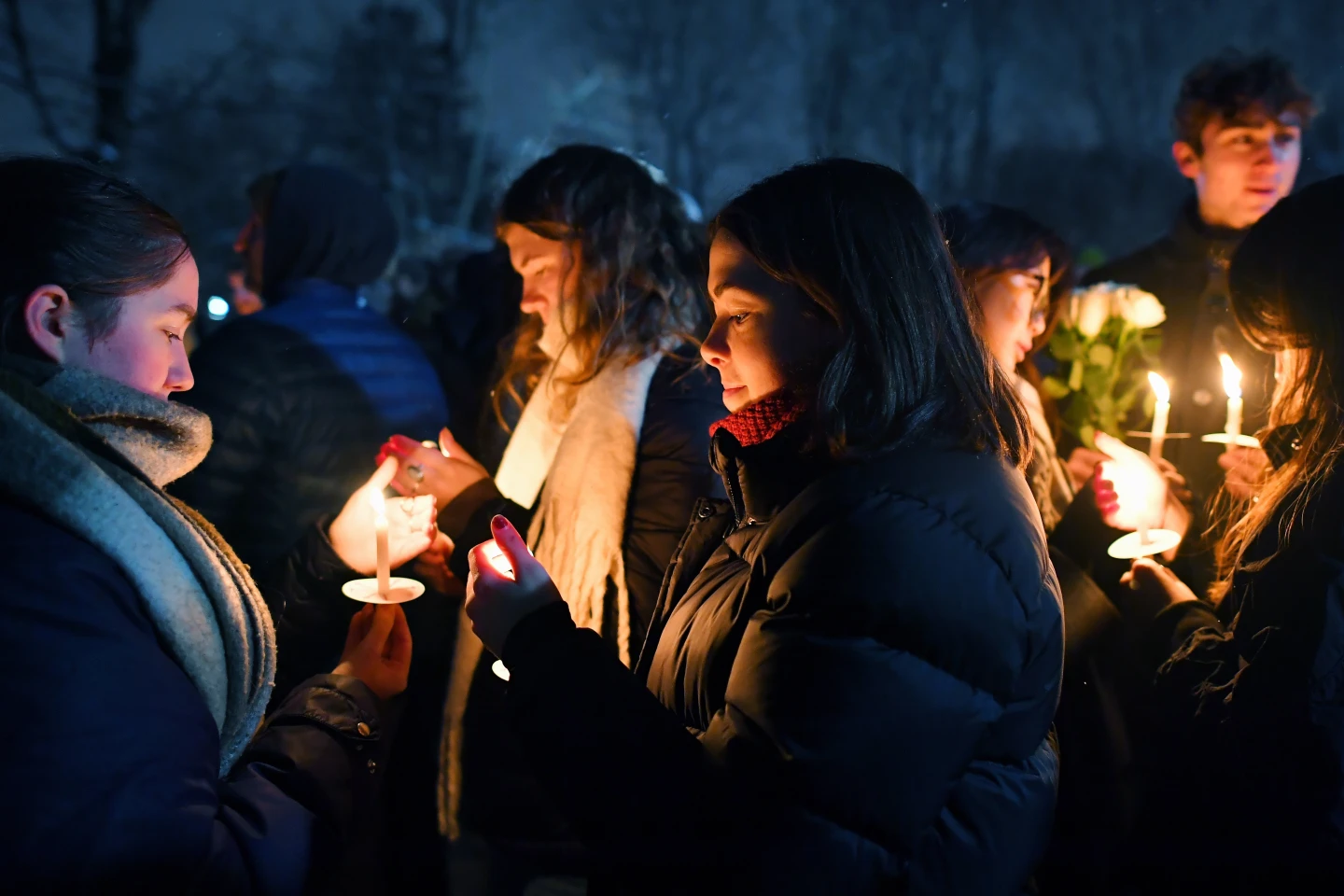
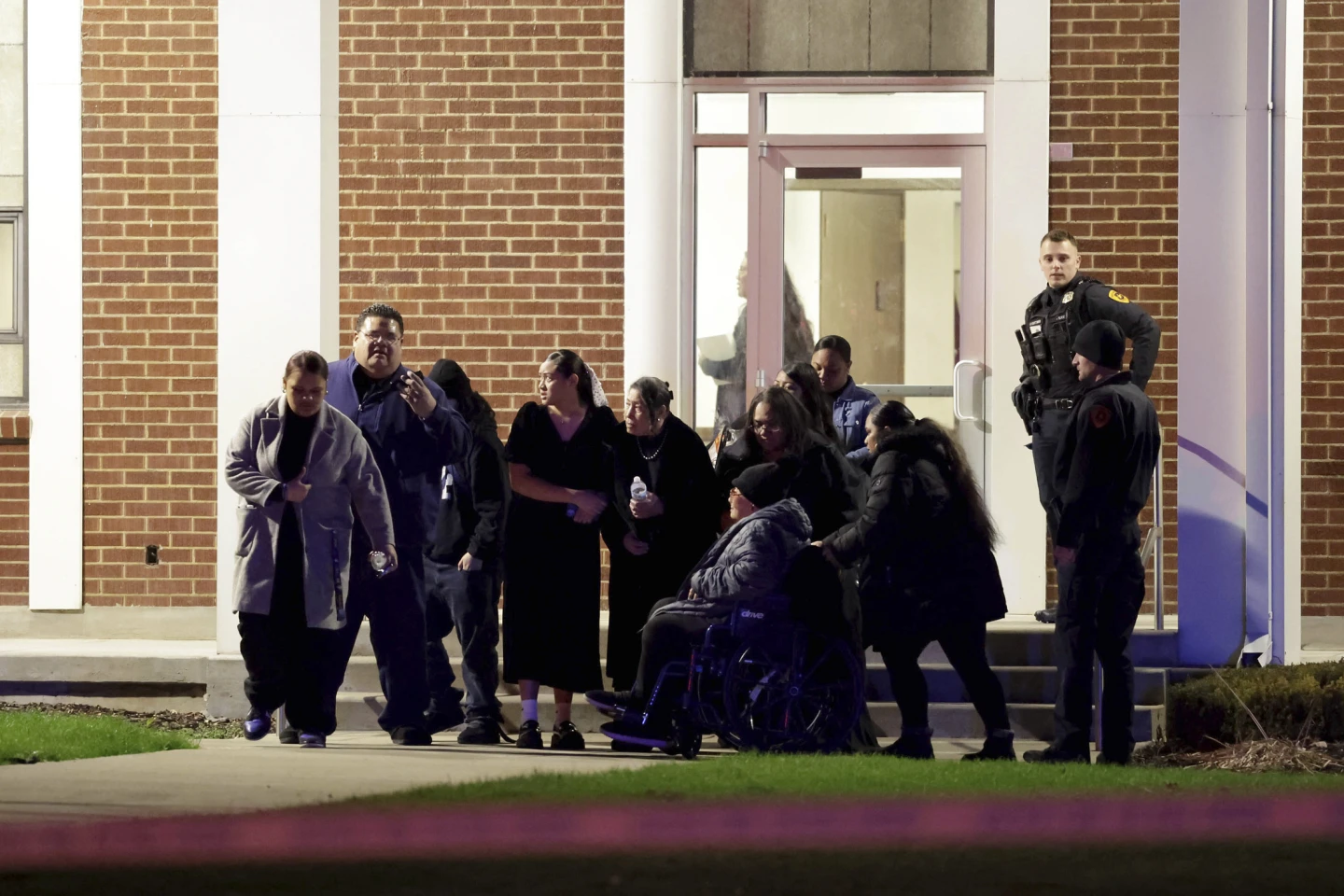
In light of this incident, discussions will likely focus on whether the officer could have chosen alternate methods—such as allowing the vehicle to leave the scene, potentially leading to an arrest later—rather than resorting to lethal force that left a community mourning a tragic loss.