The administration says it is holding up funds while inspecting fraud allegations
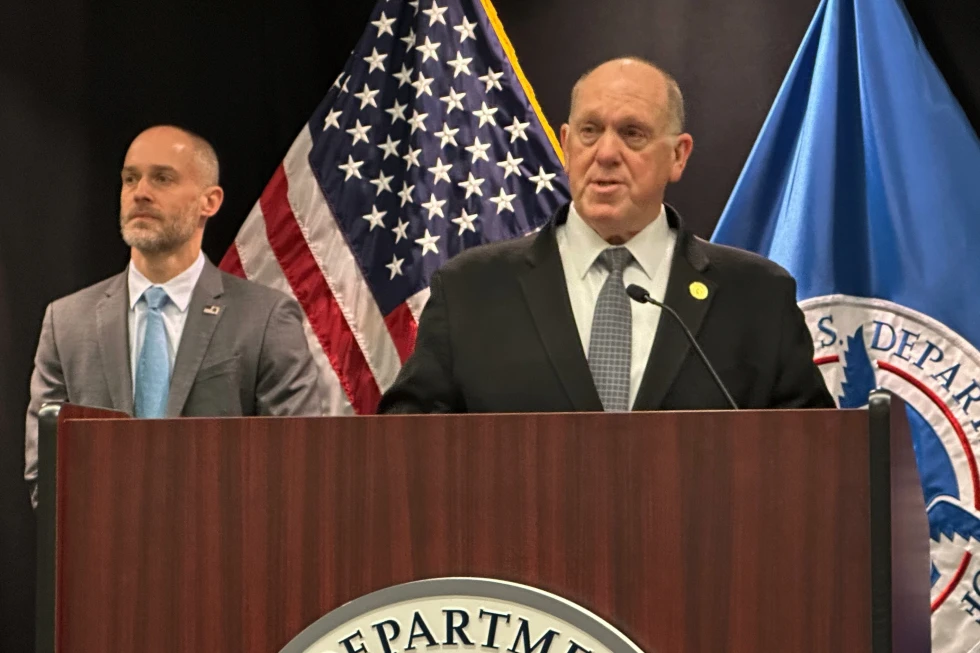
The U.S. Department of Health and Human Services announced a freeze on funding allocated to California, Colorado, Illinois, Minnesota, and New York, impacting child care subsidies that help 1.3 million children from low-income families, the Temporary Assistance for Needy Families program, and the Social Services Block Grant.
Although the administration states these actions are necessary to combat fraud, officials from the affected states argue that these measures are politically charged, negatively impacting vulnerable families. The states have legally challenged the freeze, citing it as an unconstitutional abuse of power.
The Department has demanded detailed beneficiary information from state programs, raising concerns about privacy and due process.
The states highlight their dependency on over $10 billion in annual funding for these programs, illustrating the immediate and detrimental financial implications for services such as homeless shelters and child welfare investigations. New York Governor Kathy Hochul condemned the narrative of fraud as unfounded, characterizing it as politically motivated.
Broad Impact Across Other States
Further complicating matters, all states are now required to verify enrollment and attendance at child care centers, enhancing administrative burdens. Experts warn that these delays could lead to increased layoffs or even closures of care facilities, exacerbating the crisis for families reliant on these critical services.
Focusing on Minnesota, allegations of extensive fraud involving daycare centers operated by minority communities have been widely circulated, prompting a racially charged discourse around the issue. State officials have defended their actions to combat fraud and are scrambling to respond to federal requirements for documentation.
As the situation unfolds, the balance between safeguarding programs and ensuring the integrity of federal assistance remains a contentious battleground amid rising political tensions.