In brief
Tension between the US and Iran continues as both nations communicate indirectly regarding peace talks. The US seeks to impose stringent conditions on Iran while Iran demands recognition of its regional influence. The Gulf Arab states are also affected as the situation develops, making the dynamics increasingly intricate. This article outlines the competing interests and motivations that define the ongoing negotiations.
When one side, the US, says there are ongoing, productive negotiations to end the war and the other side, Iran, says 'no, there are not', then who to believe?
What exactly is going on behind the scenes? Should we believe that peace in the Gulf is just around the corner? Or are both sides settling in for a costly, protracted war that will keep energy prices high, affecting the whole world right through the summer?
Messages are certainly being passed from the US to Iran, but indirectly, via intermediaries like Pakistan that enjoy good relations with both governments. That, of course, is not the same as 'negotiations', which might explain why an Iranian military spokesman has flatly denied they are taking place.
There is indirect contact and channels between the two sides - but a deal may still be a long way off.
The signs are that we are now entering into a situation not dissimilar to the logjam over ending the Russia-Ukraine war. Both sides say they want it to finish, but on their terms, which are still far apart from what the other side will accept.
What the US and Israel Want
When this war started on 28 February, there were high hopes in Washington and Jerusalem that the overwhelming military superiority enjoyed by both these two nations over Iran would result in the inevitable collapse of the Islamic Republic.
Failing that, Iran, already in dire straits economically, would be brought to its knees and sue for peace on America's terms. That has not happened. So what the US and Israel want, they may not necessarily get, as every day the Iranian regime survives it feels more emboldened.
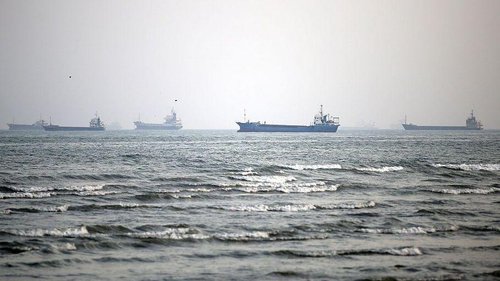
Details of a proposed US 15-point plan, published by Israel's Channel 12 network, include an end to Iran's nuclear programme, an end to its ballistic missile programme, and an end to Iran's support for ‘proxy militias’ like the Houthis in Yemen and Hezbollah in Lebanon. In return, Iran would get sanctions relief and some shared control over the Strait of Hormuz.
What Iran Wants
Initially, Iran flatly rejected the US 15-point plan, calling it 'excessive'. Iran’s Foreign Minister Abbas Araghchi was less explicit later, saying that ‘some ideas’ had been proposed. Its state media, however, has listed five conditions for ending the war, including reparations and international recognition of its authority over the Strait of Hormuz.
These demands would be a bitter pill for Washington and its Gulf Arab allies to swallow. Iran believes that as the largest nation in the region, it should resume its rightful role as ‘the policeman of the Gulf’.
What the Gulf Arab States Want
The Gulf Arabs are dismayed by the developments. They had reached an uneasy accommodation with Iran before the conflict began, but now they are apprehensive as US attempts to diminish Iran's influence have yet to succeed. They ideally wish for a return to the status quo, but the landscape has drastically changed.
Throughout this complex situation, the survival of the Islamic Republic regime has emboldened its members and their demands, believing they have time and geography on their side. The greater the pressure from the US, the less inclined Iran becomes to negotiate.