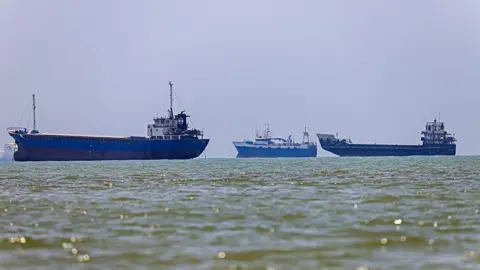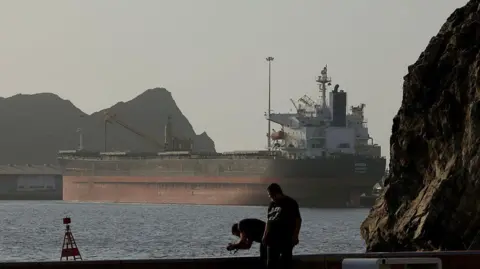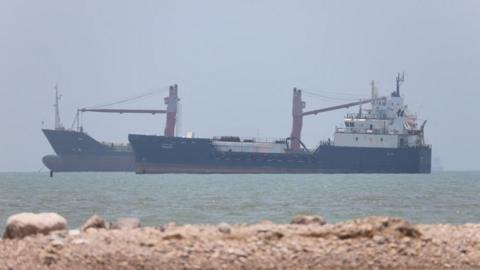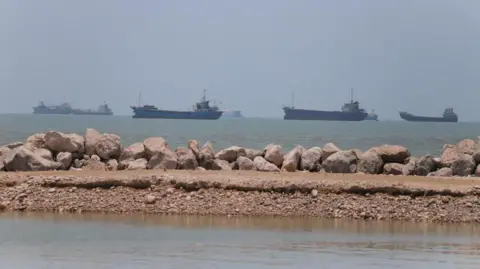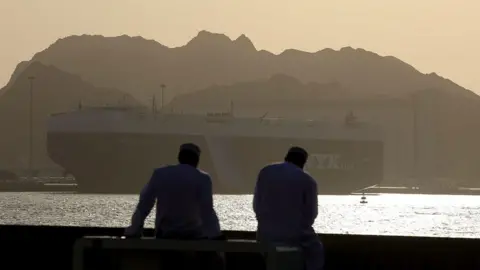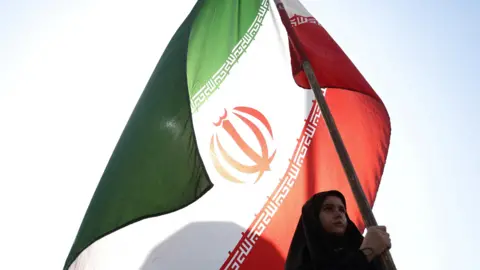
The effective closure of the Strait of Hormuz after the US and Israel began their war with Iran in late February has sent shockwaves across the globe.
Oil prices have soared and stock markets have wobbled as the world waits to see when Iran will allow the key waterway, through which about 20% of all oil passes, to reopen.
Currently, only a handful of ships make it through the strait each day. Meanwhile, attacks on energy infrastructure in the region have further pushed prices higher.
Asia, which receives nearly 90% of the oil and gas passing through the strait, is feeling the strain the most.
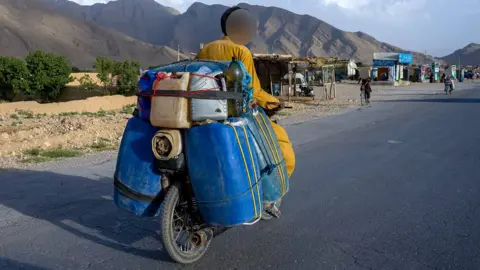
Governments across the region have ordered employees to work from home, cut work weeks, declared national holidays, and closed universities to conserve fuel supplies. China, despite having reserves, is limiting fuel price hikes as citizens face a 20% increase in costs.
In the Philippines, a national emergency was declared as the fuel crisis hit drivers hard. Experience with low wages is affecting families deeply as earnings from driving have decreased significantly.
Overall, the conflict's distant location has profound effects on citizens’ daily lives across the continent, as energy conservation measures are implemented at every level.
Thailand is also feeling the pressure, with government agencies asked to operate from home and initiatives to promote energy-saving practices among citizens. In Sri Lanka, the irony of having funds for fuel but facing unavailability emphasizes the absurdity of the crisis. The impact stretches from road transport to agricultural sectors suffering under increasing fuel prices.
As the crisis unfolds, local farmers worry about their inability to plant crops due to rising costs. The Philippines' jeepney drivers share similar experiences, echoing sentiments of despair and uncertainty about their livelihoods amidst waiting for relief from the government.
The situation is also dire in India, where many in the food service industry face closure and fuel shortages, while migrant workers express fears of facing hunger if the situation continues.
Across Myanmar, a civil conflict exacerbates the fuel crisis, with military authorities enforcing strict fuel conservation measures impacting daily transportation routines.
As tensions rise globally, the repercussions of the Iran war encourage citizens and governments to rethink energy sustainability and conservation measures while navigating through the present crisis.