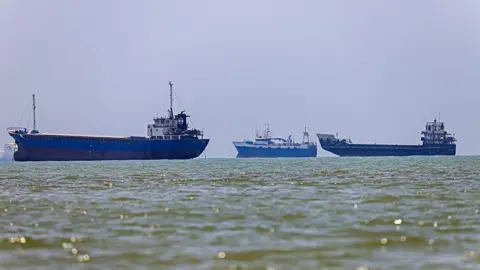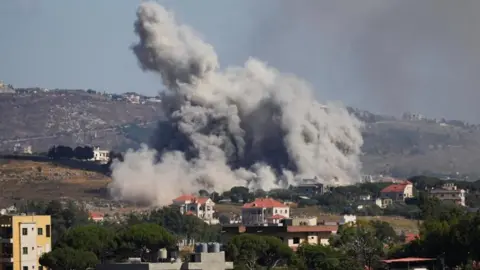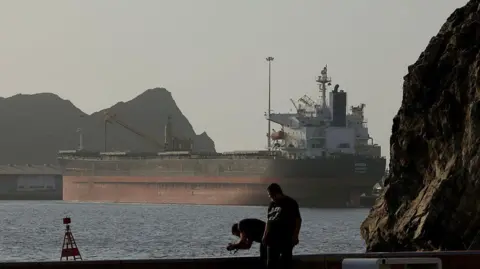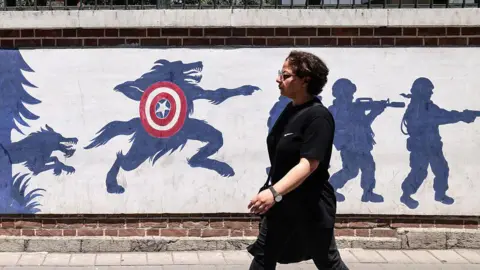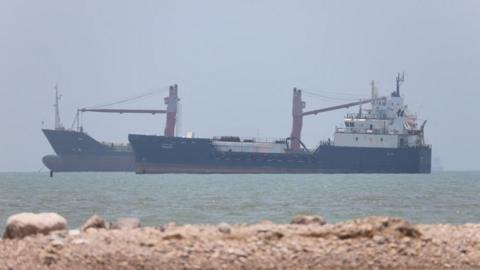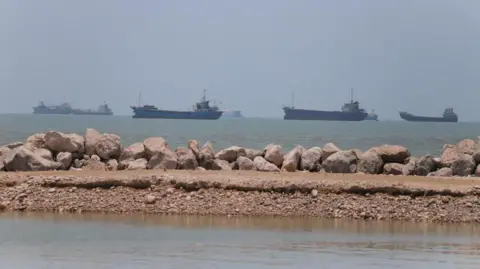
The US-Israeli attacks against Iran, and threats against its energy infrastructure, underline how the norms of starting and escalating international wars have been upended. US President Donald Trump has threatened to use overwhelming force against Iranian energy facilities and has voiced intentions to 'obliterate' Iranian power sources if Tehran does not comply with demands regarding the Strait of Hormuz.
This conflict highlights profound shifts in the global rules-based order, designed to protect civilians and to govern wartime conduct. Luis Moreno Ocampo, former chief prosecutor of the International Criminal Court (ICC), stated that the ongoing conflict constitutes a crime of aggression under international law, as it violates established norms meant to prevent such military actions without UN Security Council approval.
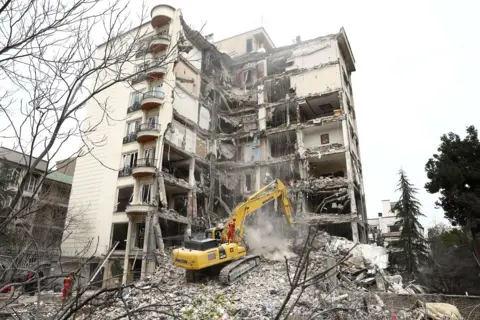
With rising fears that these military actions could lead to significant civilian casualties, rights groups are warning of the humanitarian impacts of targeting Iranian power plants, which are crucial for basic infrastructure like water supply. Ocampo likened the situations in Ukraine and Iran, noting that attacks on energy sites do not qualify as legitimate military objectives.
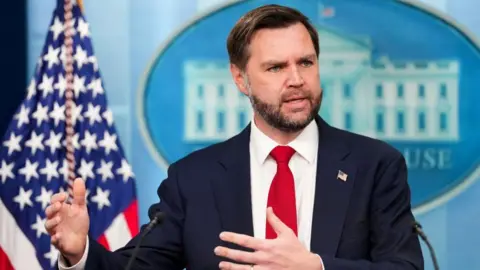
The White House defends military actions as necessary against what they describe as a 'rogue, terrorist regime,' while Iran's counteractions against neighboring Gulf states could also be seen as aggressive, adding further complexity to the crisis.
As global commentary develops, former U.S. officials emphasize that without adherence to the international system's rules, the world risks descending into a chaotic environment governed by unilateral power rather than collective diplomacy.