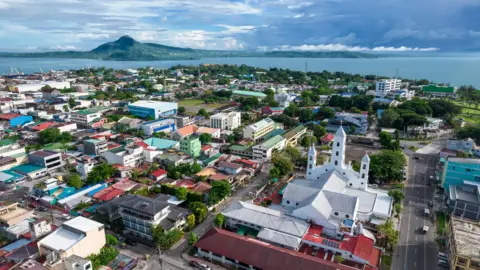
Philippine President Ferdinand Marcos has declared a state of national energy emergency following a significant rise in oil prices triggered by the ongoing conflict in Iran. In a bid to secure the country’s energy supply, Marcos has vowed to procure one million barrels of oil to extend the national reserves, which currently stand at 45 days. ‘We will have a flow of oil. Not just one delivery, not two deliveries, but a flow of oil-related products,’ he stated in a televised address.
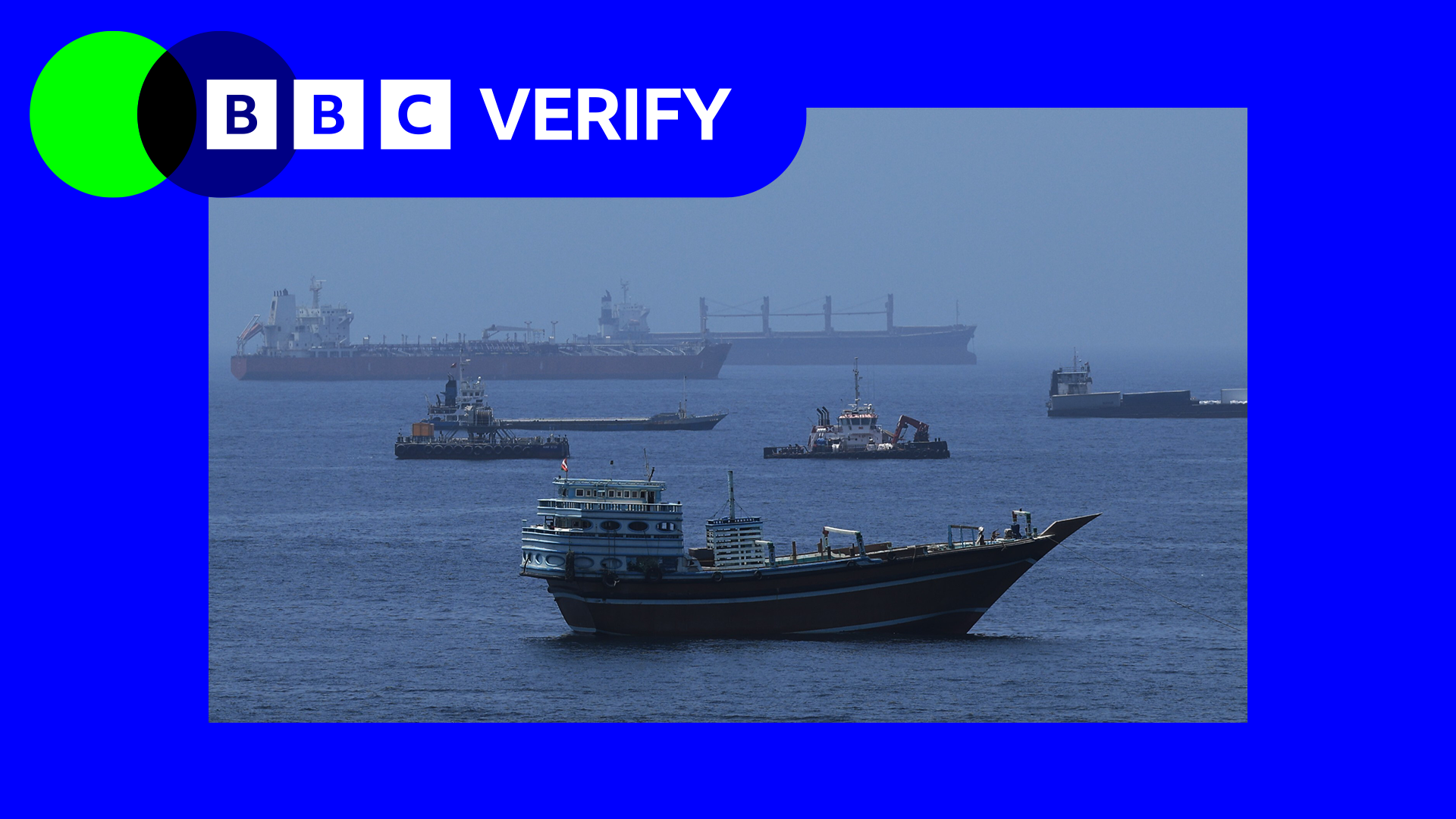
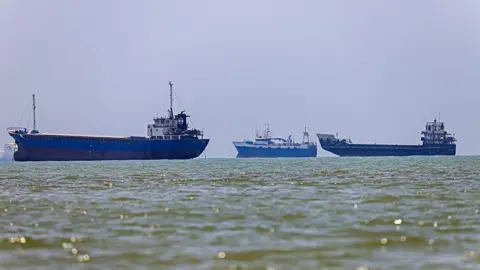
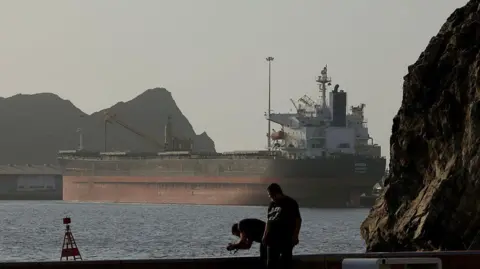
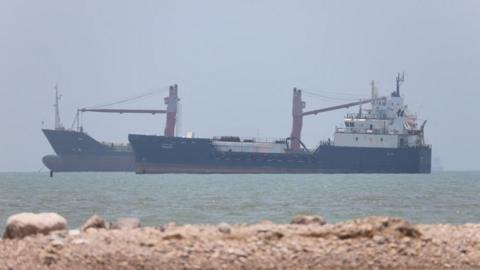
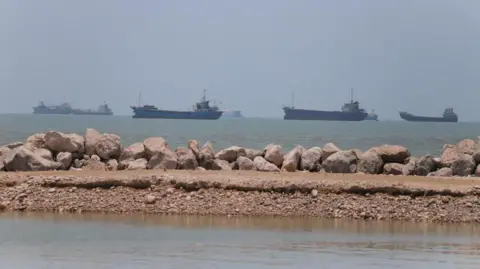
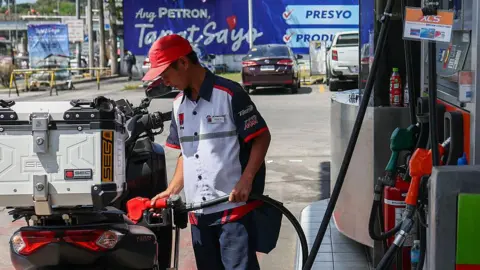
This declaration marks the Philippines as the first nation to declare an energy emergency due to the steep hike in local petrol and diesel prices, which have more than doubled since the commencement of hostilities on February 28. The nation, reliant on imports for 98% of its oil, is grappling with the implications of supply shortages exacerbated by the effective closure of the Strait of Hormuz, a vital shipping route for oil.
As the emergency declaration provides legal authority to implement measures ensuring energy stability, Marcos has urged for a collaborative approach to address the crisis. ‘Nothing is off the table. We are looking at everything we can do,’ he added.
In a strategic collaboration, the Philippine government is engaging with Washington to secure exemptions for importing oil from US-sanctioned nations, showcasing the country's close ties with the United States. An oversight committee has been formed to manage the distribution of essential goods, including fuel and food, further emphasizing the urgency of the situation.
Despite the government’s swift response, widespread criticism is surfacing from various sectors, particularly from labor coalitions like the Kilusang Mayo Uno, which labeled the emergency declaration as an admission of government failure in addressing the crisis. They accuse the administration of previously downplaying the dire situation and raise concerns over potential ‘anti-worker’ provisions embedded in the executive order that might hinder protests amid emerging labor discontent.
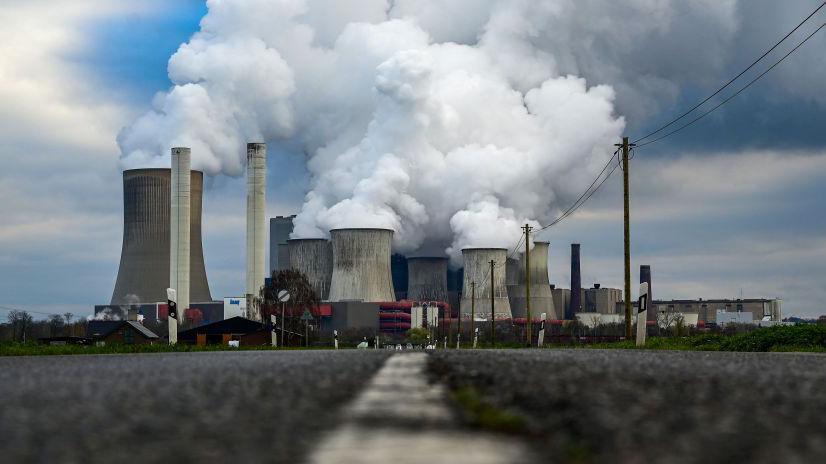
On the ground, transport workers and several other groups are preparing for strikes, demanding governmental action to alleviate rising fuel costs, highlighting a growing tension between economic pressures and workers’ rights. Energy Secretary Sharon Garin indicated the country has only 45 days of fuel supply remaining, reinforcing the necessity for immediate and effective measures as the nation adjusts its energy strategy, including increased reliance on coal-fired power plants.