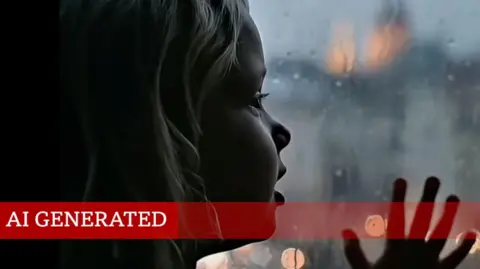
The world is witnessing an unprecedented deluge of AI-generated content that is muddying the waters of truth, especially during critical events like the armed conflict in Iran. Following a series of high-profile attacks involving the U.S. and Israel on February 28, researchers have identified a staggering number of false and misleading images propagating quickly across social media platforms.
This growing phenomenon includes fabricated bombings, fictitious images portraying captured soldiers, and politically charged propaganda manipulated by entities as diverse as state actors to individual content creators.
Recently marked as the 10th International Fact-Checking Day, this unsettling trend underscores the crucial need for enhanced digital literacy among consumers of information. The prevalent scope of misinformation can jeopardize public understanding and response to real-world issues, particularly those related to environmental sustainability and climate action.
Challenges in Identifying AI-generated Content
The speed at which AI-generated misinformation spreads highlights a pivotal concern raised by the Institute for Strategic Dialogue, focused on studying disinformation trends online. Many accounts, often verified with blue checks, are now garnering billions of views on platforms, further complicating the dialogue surrounding factual journalism.
Practical Steps to Discern Truth
Everyone needs to be equipped with tools to navigate this complicated content landscape:
- Visual Inspection: Look for visual irregularities—earlier AI-generated images had clear distortions like odd facial features, but as technology evolves, these indicators are becoming subtler.
- Source Verification: Utilize reverse image searches to trace the origins of dubious images to aid in assessing their authenticity.
- Consult Experts: Refer to verified sources that can substantiate claims or images—fact-checking organizations can provide authoritative assessments.
- Employ Technology: Explore detection tools that utilize digital watermarks to identify AI-generated content, while acknowledging their potential limitations.
- Practice Mindfulness: Before sharing information, take a moment to evaluate its authenticity. Emotional reactions may cloud judgment and lead to propagating misinformation.
As technology continues to shape our interaction with information, staying informed and cautious is imperative. In a rapidly changing environment, every individual’s active engagement and critical thinking can stem the tide of misinformation and support a more sustainable, truthful discourse.
"author": "Echosphere News Team"