In brief
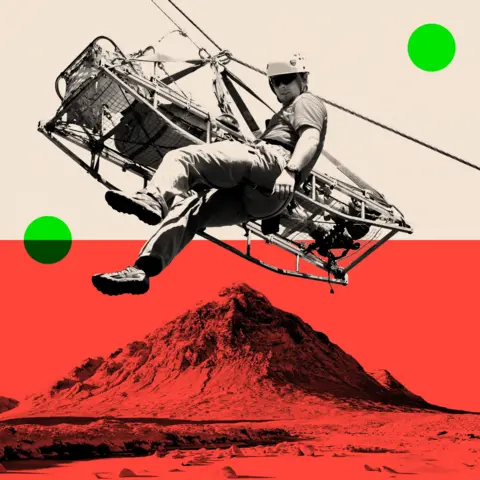
As more adventurers take to the hills inspired by social media content, the UK sees a significant rise in mountain rescue calls. Mountain rescue teams are witnessing a shift in the demographics of those in need of assistance, particularly younger adventurers. Experts are debating the responsibilities of influencers and the need for safety measures against this backdrop of increased outdoor activity.
Mountaineering in the Age of Social Media: Who's Responsible?
Two walkers find themselves stranded on a remote hillside as night closes in, hundreds of miles from home, after being inspired by a TikTok video. It's a familiar story for Mike Park, CEO of Mountain Rescue England and Wales.
We had two people stuck on a hill at 8pm, no torches. One was in their early 20s and the other in their late 30s. It was their first time on a hill. They'd travelled a long way after seeing a TikTok route. They set off on their walk at 2pm - too late - wearing shorts, T-shirts, and carrying only a picnic, he said.
Park recalls that this recent rescue in the Lake District perfectly captures the changing behaviors of adventurers today. Despite their situation being self-inflicted due to a lack of preparation, they made the right decision to call for help.
The rise in adventure seekers can be attributed to the influence of social media. With a growing number of people venturing into the great outdoors, mountain rescue callouts have doubled over the last decade, with the number of climbers rising from 2.8 million to 3.6 million between 2018 and 2024, according to Sport England.
However, the increase in activity comes with a darker side, as the number of rescues grows, particularly among younger adults aged 18 to 24. Park warns that society is now more reliant on help, less aware of outdoor safety, and often underprepared.
Influencers have played a significant role in this surge, with a notable increase in mindless adventuring driven by picturesque online portrayals of the outdoors. Martin McMullan from Mourne Mountain Rescue explains, People search out iconic locations made popular by influencers, indicating that this trend often leads to potentially dangerous situations.
Mountain rescue teams are now grappling with the physical and mental toll of increased callouts, as the adventurers they assist are generally uninjured physically, but mentally underprepared for their expeditions.
The potential risks of adventuring have sparked discussions on accountability. Should influencers share more safety guidance or are individuals responsible for their own preparedness?
Recent tragedies, such as the death of Jack Carne, remind us of the unpredictable nature of outdoor excursions. Despite being equipped and experienced, accidents can still occur, suggesting a need for better education and preparation for all adventurers.
As the conversation about adventure safety continues, mountain rescue teams emphasize the importance of awareness for all who venture into the wilderness: For us, if someone isn't feeling safe, we turn back. There's always another day. The mountain isn't going anywhere.