In brief
Ukrainian drones struck at least three sites belonging to Russia’s biggest online retailer, Wildberries, with the most severe impact near Moscow where five people were killed and 10 injured at an industrial site. Two additional warehouses in the St Petersburg and Tver regions suffered fire damage, underscoring the company’s alleged role as a logistics hub for the Russian military. Russian defense officials claim they intercepted and destroyed 320 drones that night, while Ukrainian emergency services confirmed casualties in a separate strike on the port city of Mykolaiv. The incidents highlight how commercial logistics infrastructure is drawn into the broader conflict and the challenges of protecting civilian working environments in war zones.
Ukrainian drones have targeted multiple warehouses operated by Wildberries, Russia’s largest online retailer. The most severe hit occurred near Moscow, where five people were killed and ten injured at a site 69 km south of the Kremlin.
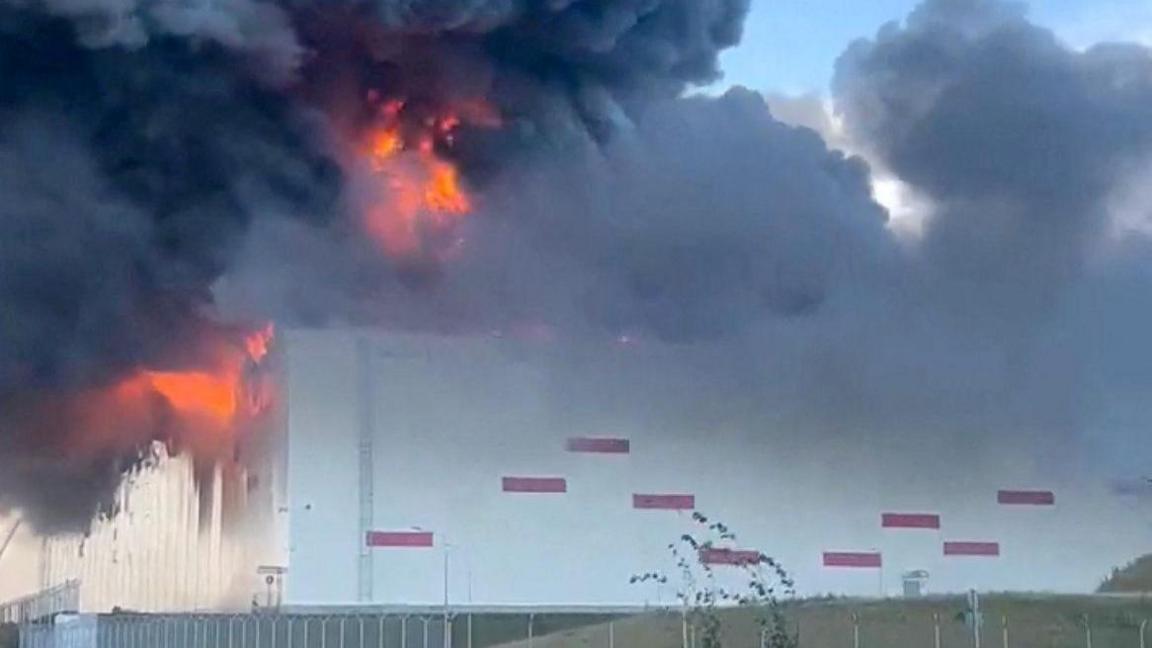
According to local officials, the Chekhov industrial site sustained a fire, and an electrical substation and administration building were also damaged. Governor Andrei Vorobyov reported that seven of the ten injured were in moderate condition, with one person in a serious condition.
In the St Petersburg and Tver regions, separate Wildberries warehouses were also struck, with fires and smoke reported. The company has not publicly commented but confirmed that its facility in the St Petersburg area was hit.
Russian defense ministry officials claimed to have intercepted and destroyed 320 drones that night, while Ukrainian emergency services noted other strikes, including a blast on the southern port city of Mykolaiv that killed an 89‑year‑old woman and wounded two girls.
These incidents illustrate how commercial logistics hubs are drawn into the current war, raising concerns about civilian safety and the strategic use of supply chains in conflict zones.