In brief
A 42‑year‑old Ugandan‑born woman in Abuja, married to a Swiss diplomat, has tested positive for Ebola, the first confirmed case in Nigeria in more than a decade. The patient travelled to Uganda earlier this month and exhibited symptoms upon return, prompting rapid testing and isolation. Switzerland’s embassy confirmed that all its staff are healthy, while the WHO reports the patient is improving. Health authorities in Nigeria, Uganda and Kenya are tracing contacts and underscoring the need for stronger cross‑border surveillance as the virus spreads in the region.
The Swiss foreign ministry confirmed that the woman who tested positive for Ebola in Nigeria is the wife of a Swiss diplomat stationed in Abuja. The 42‑year‑old, born in Uganda and resident in Nigeria, developed symptoms four days after returning from a two‑and‑a‑half‑week stay in Uganda and was tested on 20 October.
The patient remains in isolation at a designated treatment centre and is showing signs of improvement, the World Health Organization (WHO) said. Her husband is in quarantine but has not developed symptoms, and all 25 staff at the Swiss embassy were declared healthy and continued daily operations.
Health officials are investigating whether the infection could have been linked to a Kenyan man who had died of Ebola after travelling through Uganda and arriving in Nairobi on the same day. The Africa Centre for Disease Control and Prevention (Africa CDC) found no confirmed link yet.
Nigeria’s Centre for Disease Control is conducting genomic sequencing of the virus, which belongs to the Bundibugyo species that caused the 2023‑24 outbreak in the Democratic Republic of Congo. Cross‑border surveillance has been raised as a critical priority, with officials urging all neighbouring countries to strengthen screening at official entry points.
The situation underscores the role of climate‑linked ecological shifts and increased human movement in the spread of zoonotic diseases. As fragile ecosystems experience greater stress, pathogens that once remained hidden in wildlife may spread more readily through trade and travel corridors.
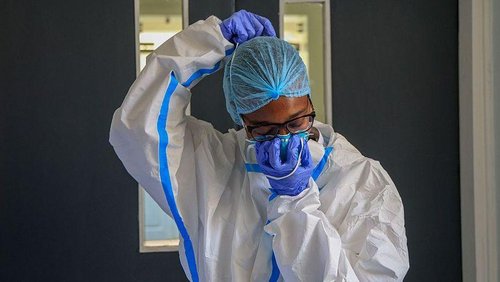
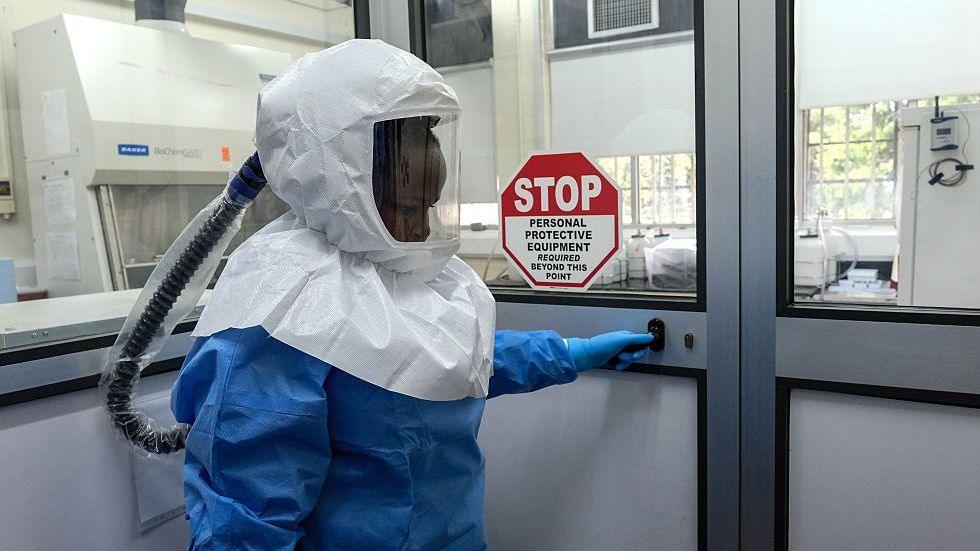
WHO Regional Director for Africa, Dr. Mohamed Janabi, called for “regional vigilance” and urged member states to intensify contact tracing, provide early treatment and protect healthcare workers with personal protective equipment.
Cape Mitigation Update: If you wish to remain informed about disease‑related environmental impacts, follow WHO and the Africa CDC for live updates.