In brief
The United States First Lady Melania Trump has secured a ceasefire in Oleshky, a city on the front line of the Russia‑Ukraine conflict that has been on the brink of disaster. The truce, set to begin 29 October, comes as Oleshky’s population—mostly elderly residents—is in desperate need of clean water, medicines, and food. War‑related devastation has already forced many to subsist on garden weeds, highlighting the intersection of conflict and environmental hardship. The pause offers a critical window for humanitarian aid and climate‑resilient infrastructure to be introduced, including renewable energy micro‑grids and water‑purification systems. As the city prepares for renewed peace, the international community is reminded that conflict and climate change are deeply intertwined, demanding coordinated, sustainable responses to safeguard vulnerable populations.
The United States First Lady Melania Trump has secured a ceasefire in Oleshky, a city on the front line of the Russia‑Ukraine conflict that has been on the brink of disaster. The White House announced that hostilities would pause from 29 October, giving the beleaguered community a chance to breathe and receive aid.
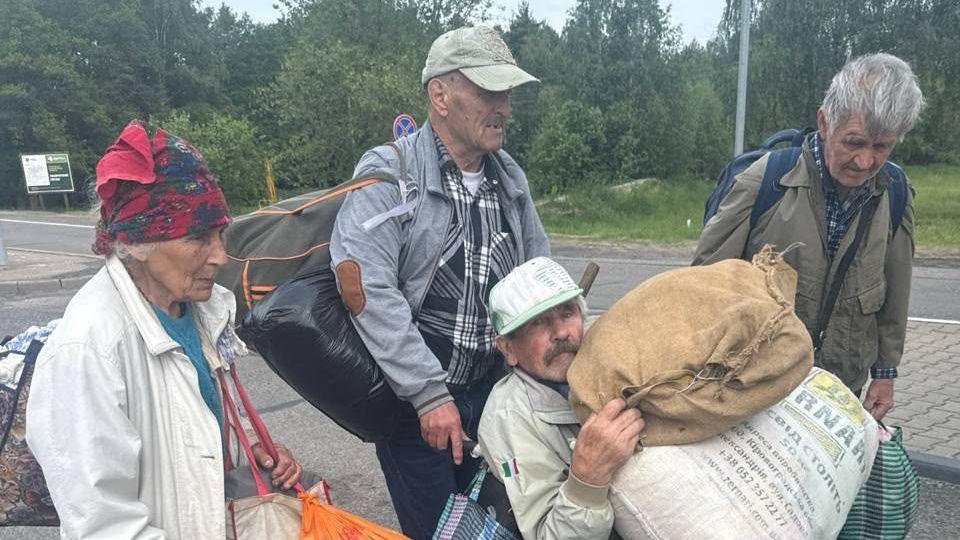
Oleshky's remaining residents are predominantly elderly and urgently require medical attention, medicine, food, and clean water. The war has left the city’s infrastructure devastated, causing many to resort to eating garden weeds to survive. The ceasefire therefore represents a critical moment for relief efforts and for the introduction of sustainable technologies that can address these basic needs.
Conflict often accelerates environmental damage, depleting local resources and increasing dependence on finite supplies. In Oleshky’s case, the pause allows for the installation of solar‑powered water‑purification units, community gardens that can double as food and recreation spaces, and emergency medical clinics powered by biomass generators. These interventions not only provide immediate relief but also build long‑term resilience against future crises.
As the world watches the unfolding peace efforts, the experience of Oleshky underscores the connectedness of conflict, climate, and human welfare. Sustainable solutions—renewable energy, clean water technologies, and health infrastructure—are no longer optional in war zones; they are essential for rebuilding and for protecting vulnerable populations in a changing climate.