In brief
Public libraries across the United States have been ordered to stop processing passport applications, a move that could negatively impact thousands of patrons. The restrictions come from the U.S. State Department, with federal regulations prohibiting non-governmental organizations from charging application fees. Lawmakers are urging for a reconsideration, as libraries serve some of the most accessible passport acceptance facilities, especially for rural and working-class Americans. A bipartisan legislative effort is underway to amend existing laws to allow libraries to continue providing these services.
NORWICH, Conn. (AP) — The U.S. State Department has ordered various public libraries nationwide to stop processing passport applications, disrupting a service that many communities have relied upon for years. This sudden shift has concerned librarians and citizens alike, highlighting the increasing need for accessible services as passport demands surge.
The cease and desist orders, issued in late fall, apply to not-for-profit libraries which were previously authorized to participate in the Passport Acceptance Facility program. A spokesperson from the State Department explained that federal law prevents non-governmental organizations from collecting and retaining passport application fees. However, this decision does not affect government-run libraries.
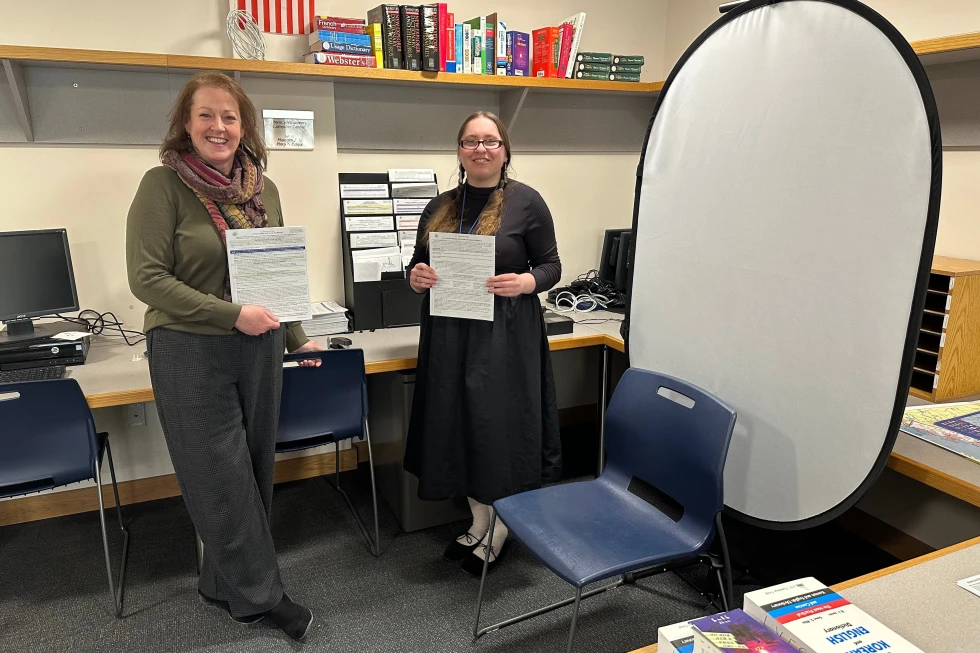
Despite the regulations, libraries like the Otis Library in Norwich, Connecticut, have reported receiving daily inquiries from their community about passport services, which had been available for eighteen years until the program was halted in November. Executive Director Cathleen Special expressed her frustration, stating, Our community was so used to us offering this.
The State Department noted that the affected libraries constitute less than one percent of the over 7,500 passport acceptance facilities nationwide. However, the American Library Association forecasts that approximately 1,400 mostly non-profit public libraries could be affected, representing 15% of all public libraries, depending on their status as passport service providers.
Lawmakers from Connecticut, New York, Pennsylvania, and other states have voiced their concerns through a letter to Secretary of State Marco Rubio, emphasizing the essential role libraries play as accessible passport acceptance facilities, particularly for working families and rural residents.
Democratic Rep. Madeleine Dean and Republican Rep. John Joyce are spearheading a bipartisan effort to amend the Passport Act of 1920, which would allow public libraries to continue providing passport services. Both legislators underscored the necessity of enhancing accessibility in light of rising passport demand driven in part by new identification requirements.
The State Department asserted that they will offer support in identifying new eligible partners to replace the ineligible facilities if passport services are impacted. However, many are calling for a more comprehensive solution to ensure that these vital services remain within reach for all citizens.