WIDESPREAD USE OF MASKS AMONG IMMIGRATION OFFICERS UNDER SCRUTINY
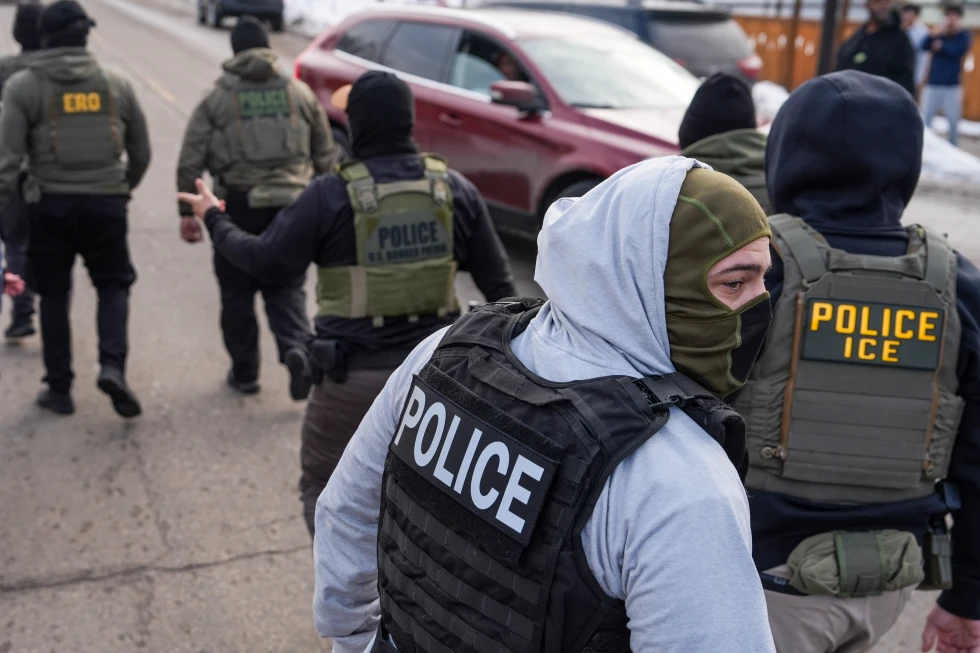
As the Trump administration's immigration enforcement initiatives ramp up, the visibility of masked federal officers has become a contentious topic. Critics claim it instills fear in immigrant communities, while lawmakers are split on the issue of officer accountability and public safety regulations.
In cities grappling with the impact of aggressive immigration policies, the masked agents are often perceived as a symbol of intimidation. Experts argue that this approach risks undermining trust between law enforcement and the community, establishing a climate of fear that can deter both cooperation and reporting of crimes.
Democrats have made it clear that they view unmasking as critical to restoring accountability within the Immigration and Customs Enforcement (ICE). Advocates call for legislation mandating the wearing of body cameras by ICE officers, a move designed to enhance transparency in potentially controversial operations.
“Cameras on, masks off,” has emerged as a rallying cry among party leaders, calling for a shift in the operational culture of federal immigration enforcement. Massachusetts Representative Ayanna Pressley stated that the masked presence profoundly affects all individuals, irrespective of their immigration status.
While some Republicans argue for mandatory masking to protect agents from retaliation, they are met with sharp criticism from their Democratic counterparts who stress humanizing immigration enforcement by allowing their faces to be seen. The polarizing debate illustrates the delicate balance between ensuring public safety and holding law enforcement accountable.
The growing trend of visible order and safety practices in law enforcement is further complicating discussions about the presence of federal agents in communities. Experts like Naureen Shah from the ACLU highlight that prior historical instances of masked enforcement have raised alarms about civil liberties violations and the deterioration of community security.
Even as Congress approaches budget negotiations for Homeland Security, unmasking remains a linchpin issue, representing broader clashes over domestic immigration policy. As communities and advocates continue to push for reform, the conversation surrounding the visibility and accountability of ICE officers will be crucial in shaping the future of immigration enforcement in the United States.