Former US President Bill Clinton and his wife Hillary Clinton, the former Secretary of State, have agreed to testify in the congressional investigation into late sex offender Jeffrey Epstein.
It comes days before a vote on whether to hold the couple in criminal contempt for refusing to appear before the House Oversight Committee after a months-long standoff.
Bill Clinton was acquainted with Epstein, who died in prison in 2019, but has denied knowledge of his sex offending and says he cut off contact two decades ago.
It's unclear when the depositions will take place, but it will be the first time a former US president has testified to a congressional panel since Gerald Ford did so in 1983.
The House Oversight Committee, led by Republicans, approved the measure to hold the Clintons in contempt late last month, with the support of several Democrats.
On Monday evening, Clinton deputy chief of staff Angel Ureña posted on X confirming the couple would appear before the panel, stating that they negotiated in good faith.
Ureña tweeted, They told you under oath what they know, but you don't care. But the former President and former Secretary of State will be there. They look forward to setting a precedent that applies to everyone.
Both Clintons have previously provided the committee with sworn statements and say they have already given limited information regarding Epstein.
The couple has dismissed the legal summonses as nothing more than a ploy to discredit political rivals, directed by former President Trump. Clinton has never been accused of wrongdoing by survivors of Epstein's abuse.
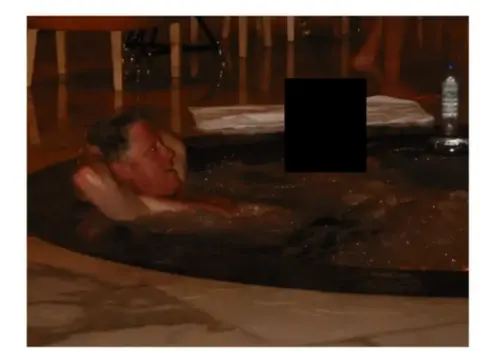
Epstein's private jet logs show that Clinton took four international flights in 2002 and 2003. The former president appears at Epstein's estate in photos released by the justice department, which complied with a law requiring the disclosure of all investigative material related to Epstein.
Ureña emphasized that the photos were old and Clinton had ceased his association with Epstein prior to the latter's crimes being exposed. The Clintons criticized Chairman James Comer for his handling of the Epstein inquiry, implying that political motivations were influencing the investigation.
It comes days before a vote on whether to hold the couple in criminal contempt for refusing to appear before the House Oversight Committee after a months-long standoff.
Bill Clinton was acquainted with Epstein, who died in prison in 2019, but has denied knowledge of his sex offending and says he cut off contact two decades ago.
It's unclear when the depositions will take place, but it will be the first time a former US president has testified to a congressional panel since Gerald Ford did so in 1983.
The House Oversight Committee, led by Republicans, approved the measure to hold the Clintons in contempt late last month, with the support of several Democrats.
On Monday evening, Clinton deputy chief of staff Angel Ureña posted on X confirming the couple would appear before the panel, stating that they negotiated in good faith.
Ureña tweeted, They told you under oath what they know, but you don't care. But the former President and former Secretary of State will be there. They look forward to setting a precedent that applies to everyone.
Both Clintons have previously provided the committee with sworn statements and say they have already given limited information regarding Epstein.
The couple has dismissed the legal summonses as nothing more than a ploy to discredit political rivals, directed by former President Trump. Clinton has never been accused of wrongdoing by survivors of Epstein's abuse.
Epstein's private jet logs show that Clinton took four international flights in 2002 and 2003. The former president appears at Epstein's estate in photos released by the justice department, which complied with a law requiring the disclosure of all investigative material related to Epstein.
Ureña emphasized that the photos were old and Clinton had ceased his association with Epstein prior to the latter's crimes being exposed. The Clintons criticized Chairman James Comer for his handling of the Epstein inquiry, implying that political motivations were influencing the investigation.