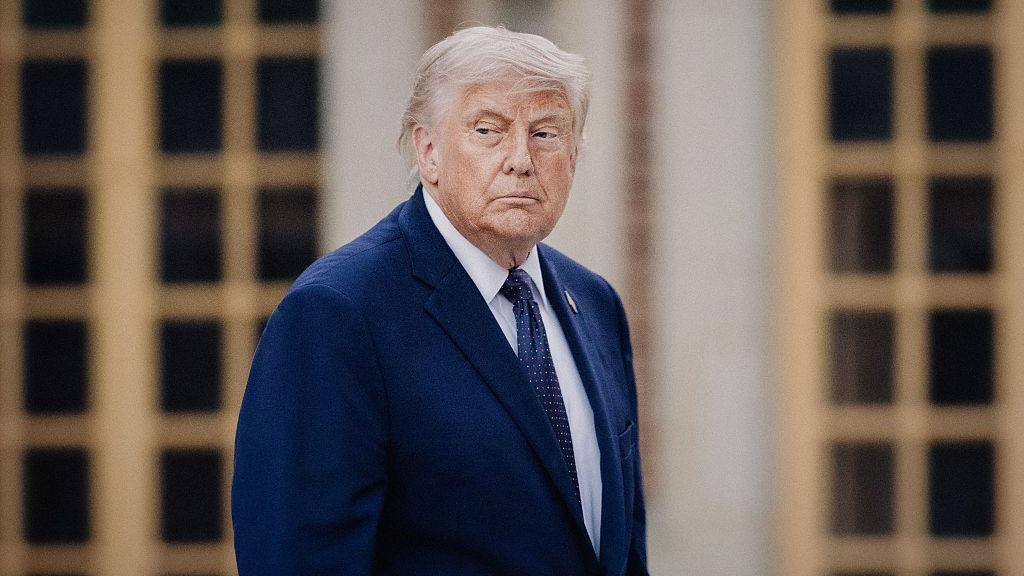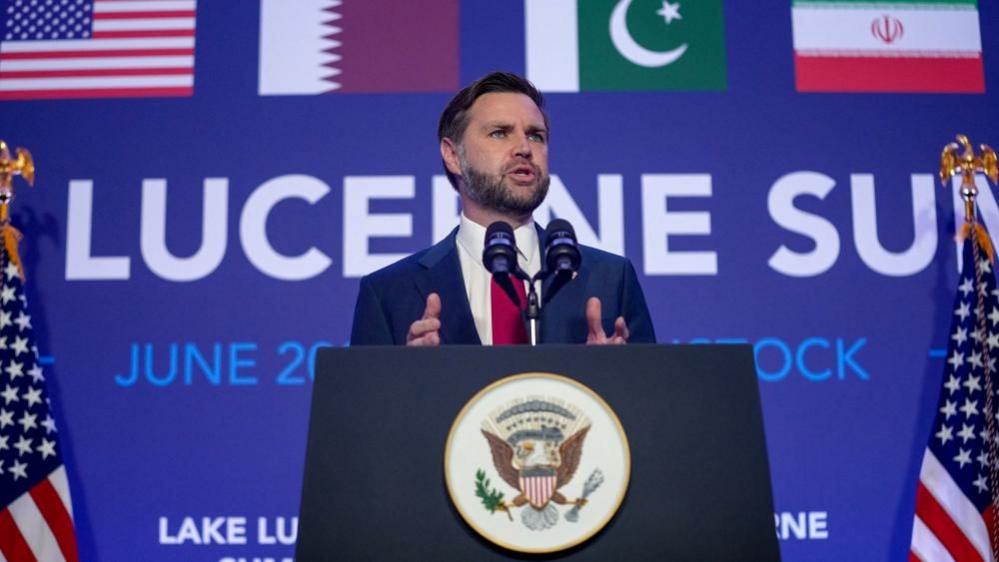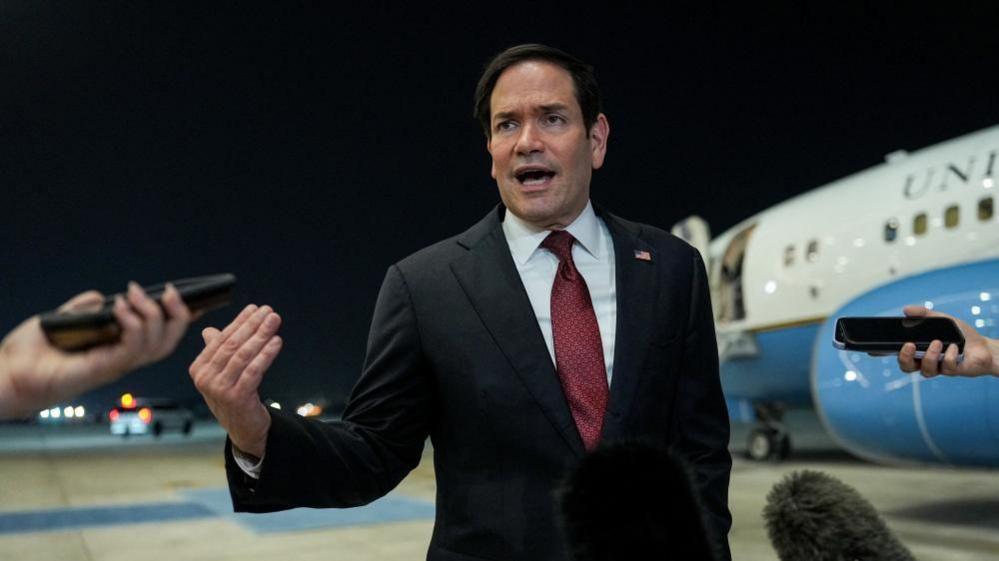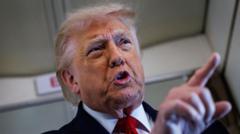
U.S. President Donald Trump and Iranian senior officials have recently exchanged new threats following an exchange of strikes in the Gulf. Trump criticized Tehran for taking “too long to negotiate a deal” and warned that Iran will “have to pay the price”. In response, Iran’s Foreign Minister Abbas Araghchi vowed the country would “leave no attack or threat unanswered”.
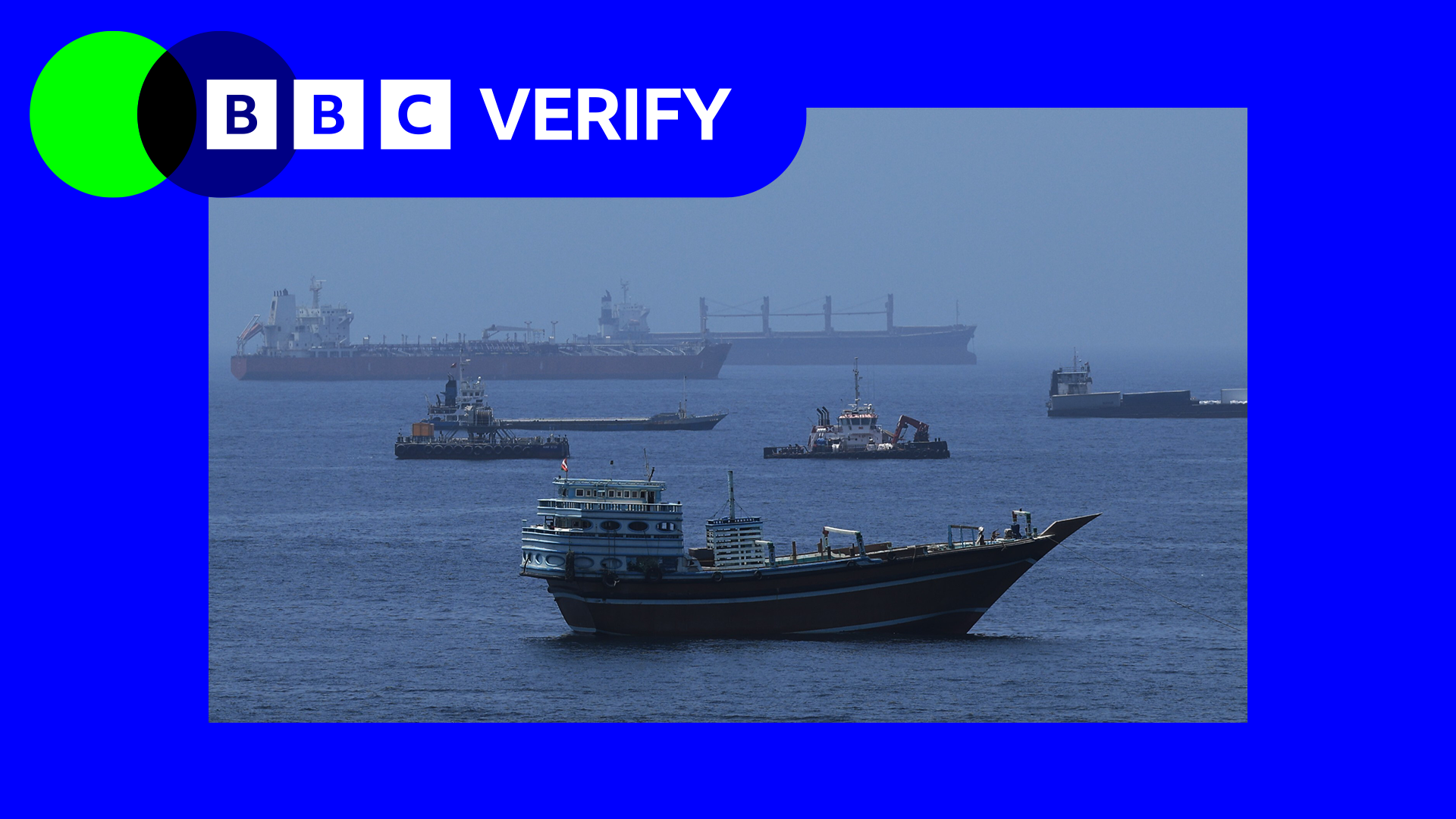
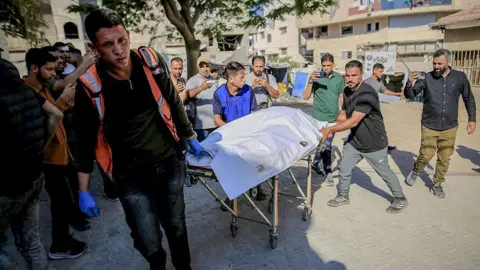
The U.S. struck Iranian sites after a civilian helicopter was shot down, while Iran returned fire on U.S. bases in Bahrain and Jordan, with Kuwait reporting interception of an attack. Iranian forces targeted military sites near the Strait of Hormuz, a region critical for global trade.
Co‑ordinated attacks on infrastructure risk more than political fallout; they also carry acute environmental dangers. Explosions and aerial bombardments generate hazardous air pollutants and heavy metals. The Gulf’s fragile marine ecosystems, including coral reef communities and migratory seabird habitats, face heightened risk of degradation. Oil spills from damaged maritime equipment could further scatter marine life and introduce persistent toxins.
The cyber‑strategic nature of modern warfare also means that data loss shocks from destroyed satellite and radar installations can have large carbon footprints. Importantly, conflict in this region has implications for global emissions budgets: military logistics and conflict‑related energy use can push back significantly the path to net‑zero targets.
While Trump has just suggested the possibility of a “good deal” earlier, his subsequent stark remarks highlight a cautious brink. Environmental groups urge both sides to consider protective measures for the Gulf’s ecosystems and to prioritize diplomatic avenues that safeguard both human and planetary health.