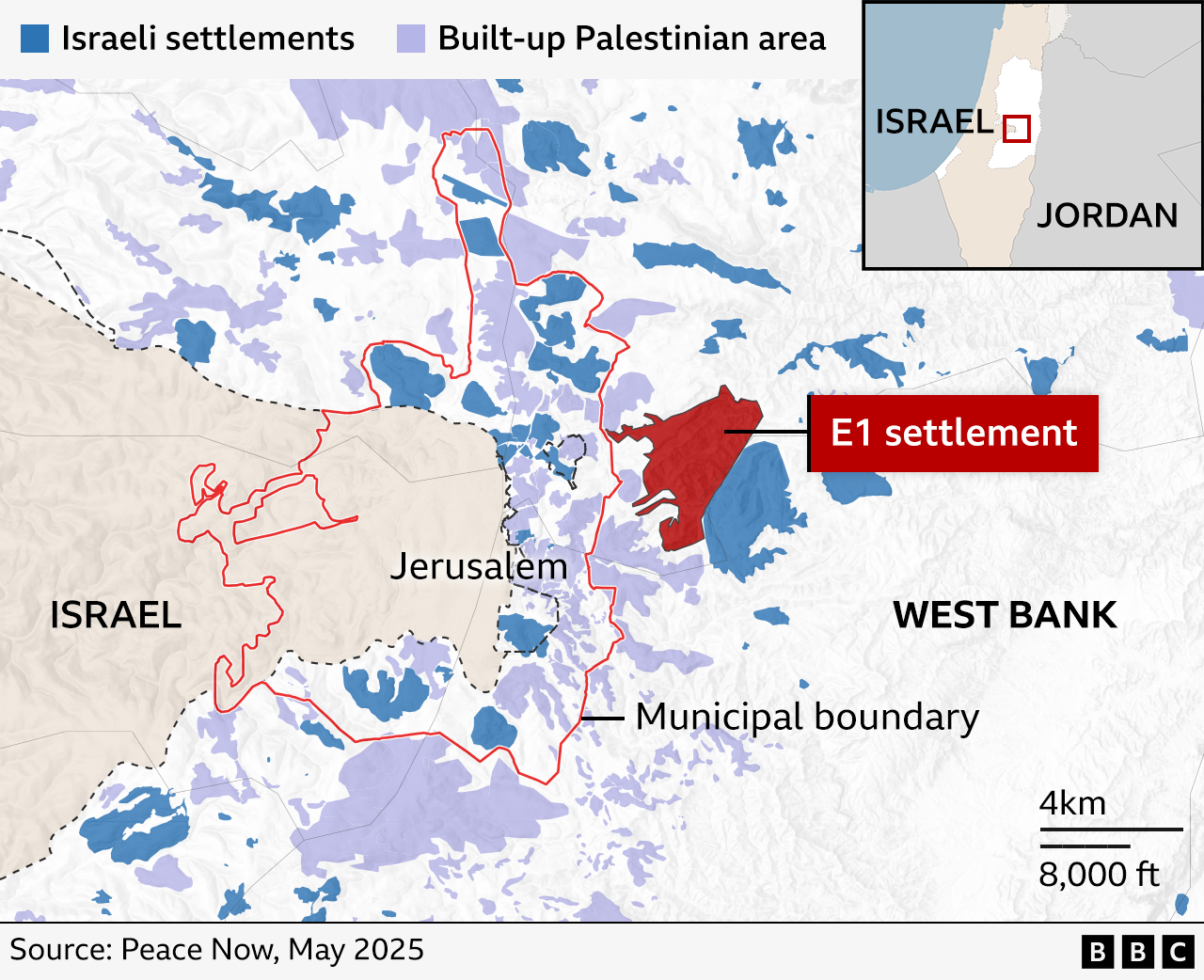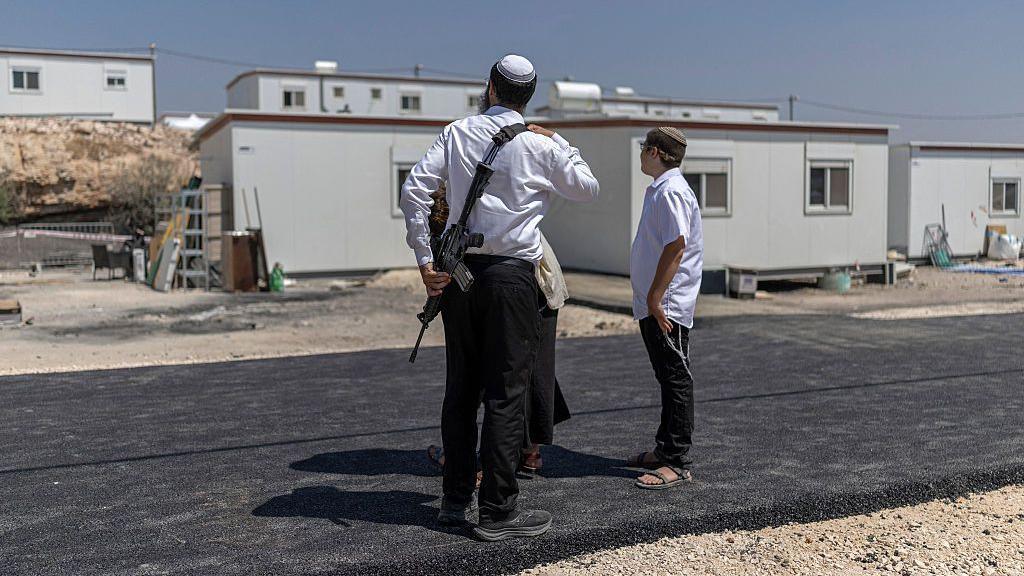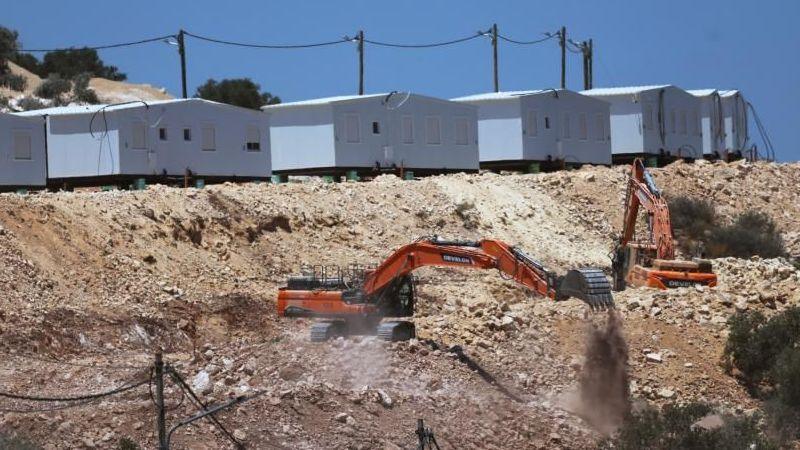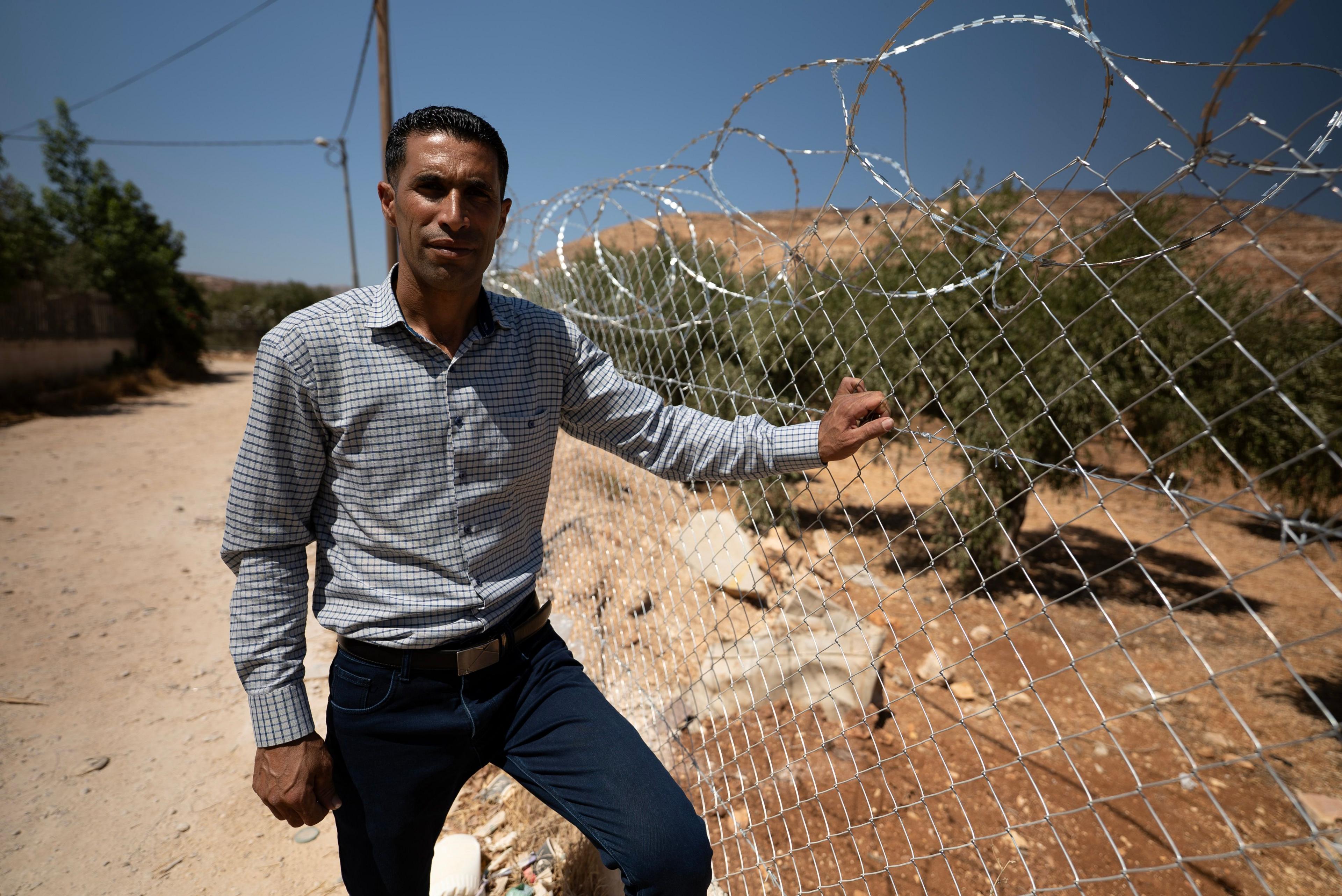
On Tuesday, the United Kingdom announced sanctions targeting Israeli settlements in the occupied West Bank, citing a moral imperative to halt what it described as the “annihilation” of a future Palestinian state. The move immediately egged Israel’s ire: the government threatened to shut down Britain’s diplomatic mission to the Palestinians, withdraw UK military personnel from a joint coordination base near Gaza, and prohibit a dozen UK MPs from entering Israeli territory.
The fallout from the sanctions—now joined by 11 other European states—risks to fragment a fragile geopolitical balance that has, until now, provided a buffer for regional climate initiatives. The United Nations, for instance, has pressed for a climate‑adaptation roadmap across the Middle East that hinges on stable diplomatic relations.
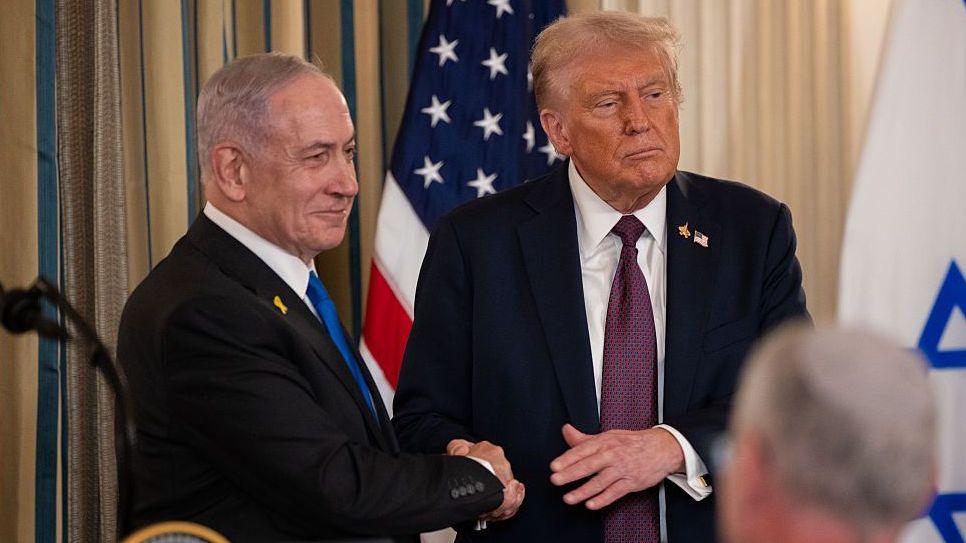
Despite the scale of the confrontation, Washington’s reaction was comparatively quiet. Secretary of State Marco Rubio acknowledged the UK’s announcement but refrained from condemning the move, emphasizing shared goals of regional stability and the need to avoid a spike in violence. President Trump expressed a desire to understand Israel’s motivations, hinting that his administration was still weighing the strategic calculus of the conflict.
Crucially, the tension is not merely political. Settlement expansion in the West Bank competes for limited water resources—already strained under population pressures—and has impeded the development of hydro‑renewable sites that could supply clean energy to the region. Environmental NGOs have warned that continued expansion will delay the rollout of solar and wind projects, pushing back the region’s transition to net‑zero emissions.
Moreover, international investors are wary of relocating to a contested area in light of potential sanctions, which could slow economic diversification efforts that are vital for sustainable development. The US, while not openly rebuking Britain, has expressed concerns over how the escalating conflict could disrupt collaborative climate agreements, particularly those that align security interests with environmental safeguards.
In a climate‑focused lens, the episode illustrates how geopolitical manoeuvres can disrupt fragile progress on environmental fronts. Nations in the Middle East are already grappling with the twin challenges of water scarcity and energy transition. The current standoff threatens to derail initiatives that aim to harness solar potential and improve water management—critical steps toward a more sustainable future.