In brief
After a decade of coal phase‑out plans, Germany grapples with soaring gas prices and supply uncertainty, prompting officials to weigh an occasional coal use against the push for renewables. While more than half of the nation’s electricity now comes from wind, solar and other low‑carbon sources, industrial stakeholders fear that tightening restrictions could jeopardise grid stability and lift costs. The German Chemical Industry Association, the mining firm LEAG, and environmental researchers have offered divergent views: some see coal as a safety net, others as a climate liability. A forthcoming parliamentary review in August will decide whether to relax lignite shutdown deadlines or keep the 2030 target, striking the balance between economic resilience and the 2038 coal‑free goal.
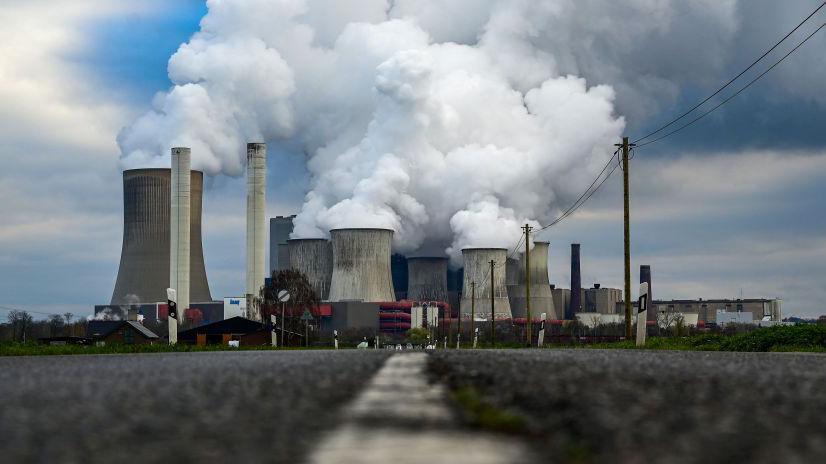
Germany has long pledged to shut its coal‑powered electricity down by 2038, with lignite phased out by 2030. The country is currently sourcing roughly 20% of its power from coal, a figure that is higher than most European peers.
The new urgency came after a sharp rise in global natural‑gas prices linked to geopolitical tensions, pushing some industry groups to reconsider coal’s role in ensuring a reliable and affordable electricity supply.
While renewable energy now supplies more than half of Germany’s electricity—59% last year—the functioning of fluctuating wind and solar output, particularly in winter, has spurred debate over whether coal should serve as a backup in strategic reserve capacity.
Key voices on the debate
- LEAG, the second‑largest lignite miner, welcomed the possibility of a coal reprieve, citing the need for medium‑term supply security.
- Hauke Hermann, a senior researcher at the Öko environmental institute, warned that an uptick in coal would undermine the climate transition.
- Wolfgang Große Entrup, director general of the German Chemical Industry Association, argued that renewable energy alone cannot guarantee reliability, and firms will only invest billions if energy remains affordable.
- The SPD’s Nina Scheer warned that loosening coal rules could cement new fossil lock‑ins, while CDU deputy leader Michael Kretschmer stressed the need to keep supply affordable for a major industrial nation.
Potential compromises and policy actions
One proposal targets six hard‑coal plants that are currently used only as backup. Owners from the Steag Iqony Group suggest allowing them to operate continuously to bolster grid stability.
A parliamentary committee, set up in March, is studying this possibility. The government will decide this year whether the 2030 lignite deadline should be kept or allow limited capacity as a strategic reserve, with an upcoming statutory review in August to weigh impacts on supply, security, and price.
Germany’s situation reflects a larger global trend, as countries such as Japan, Italy, and India also reconsider coal usage amid rising gas costs.
The fourth largest coal consumer in the world, Germany’s decision will reverberate across global energy markets and climate‑change commitments.