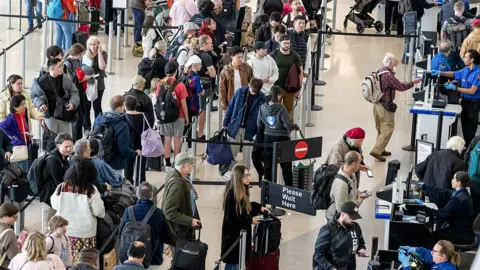
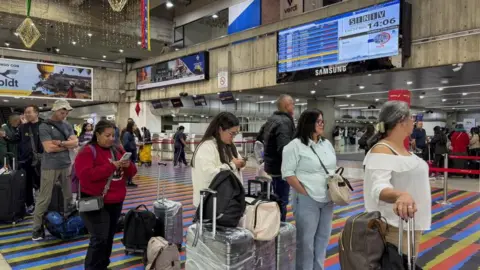
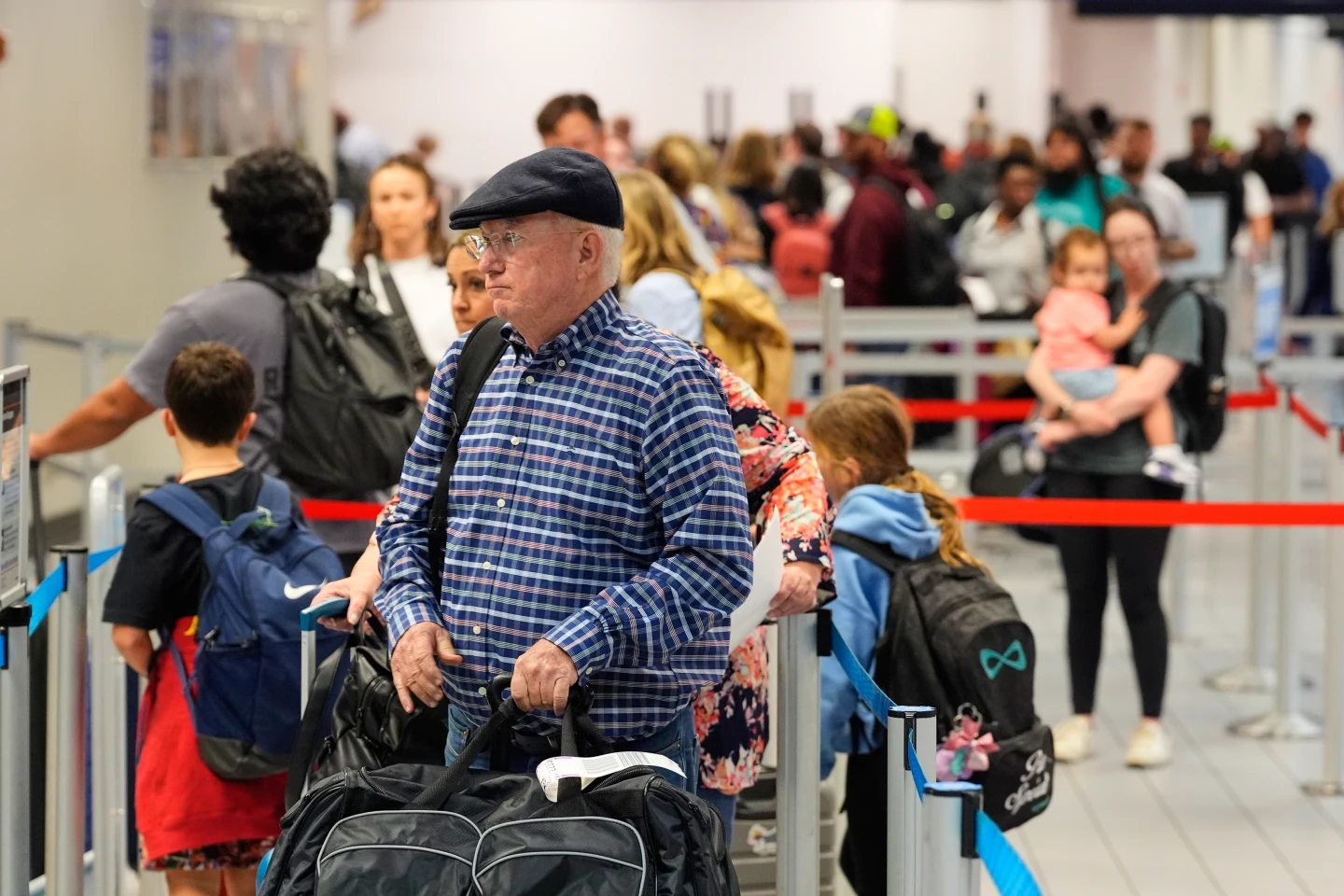
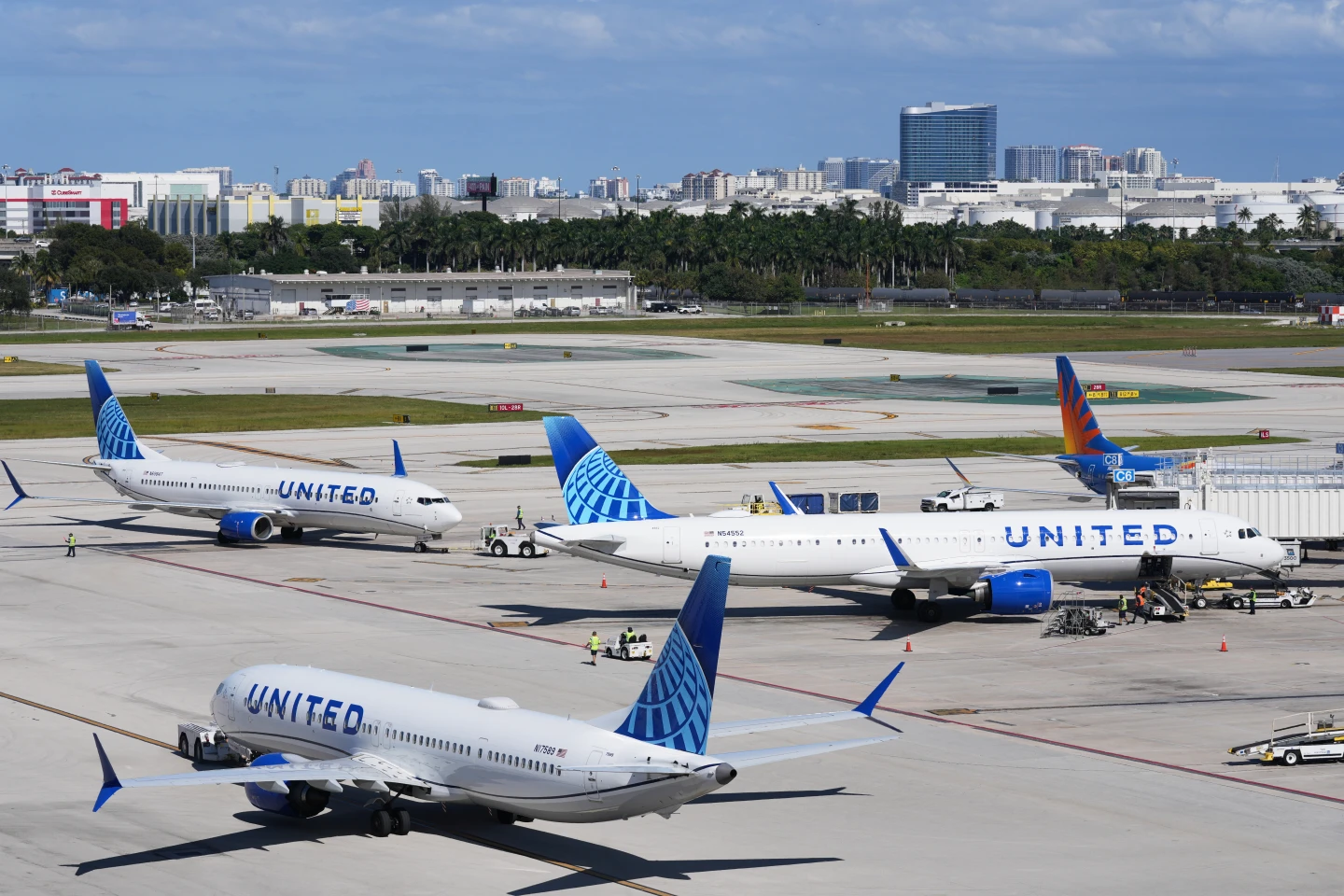
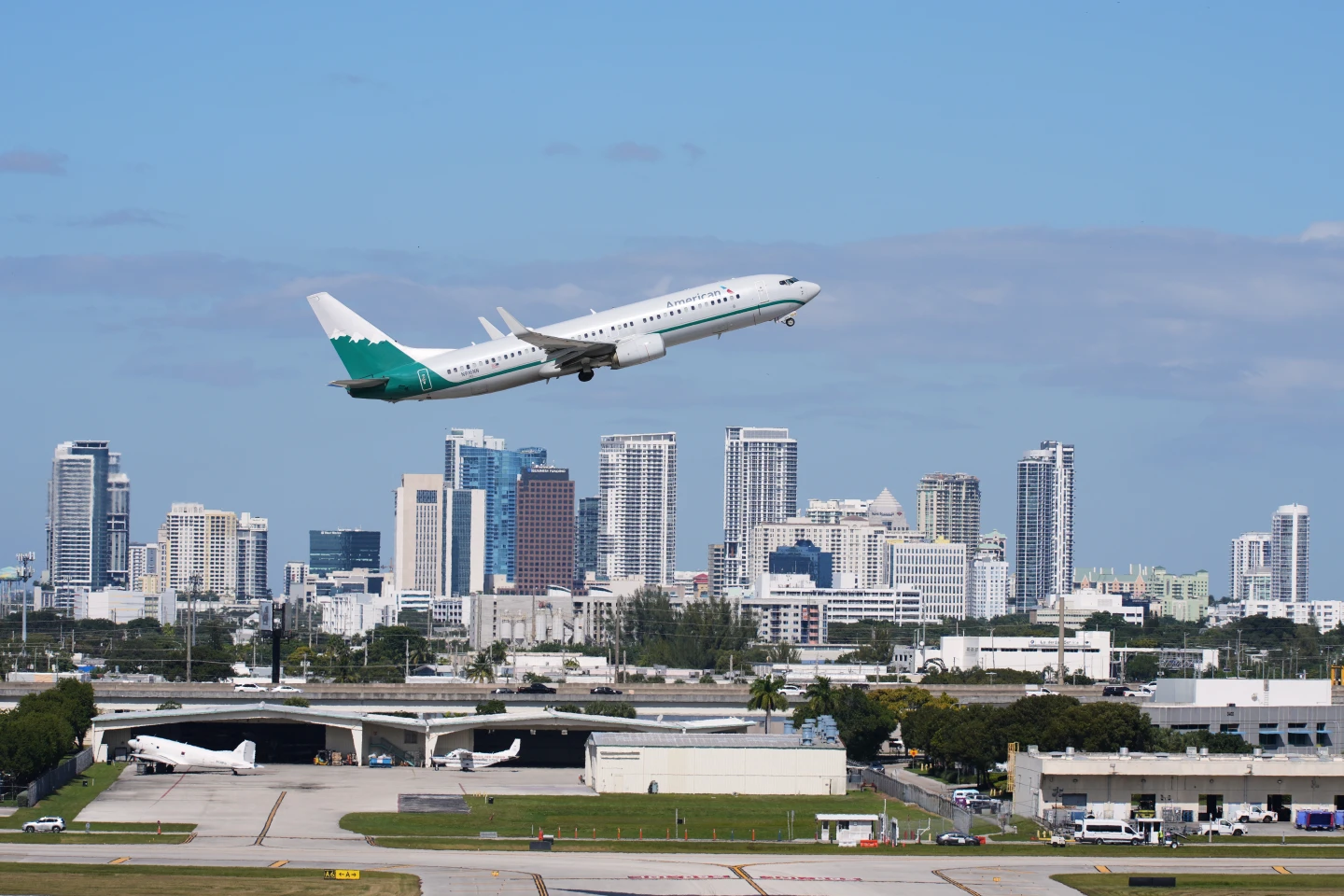
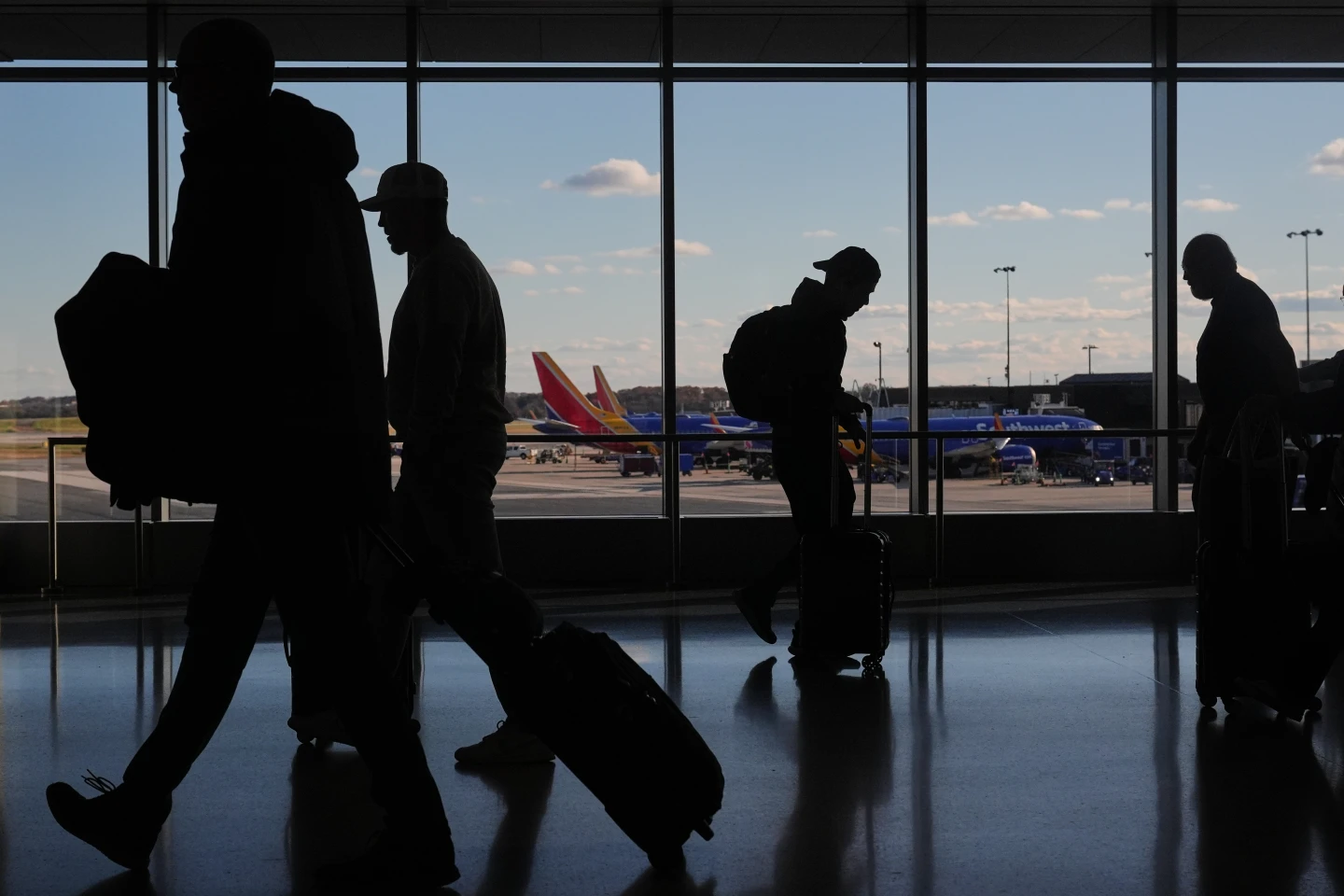
US Transportation Secretary Sean Duffy has warned that air travel capacity will be cut by up to 10% at 40 major airports over the coming days if the government shutdown continues.
The decision, which is expected to affect domestic flights only, was made due to air traffic controllers reporting fatigue, the head of the Federal Aviation Administration (FAA), Bryan Bedford, explained at a briefing alongside Duffy.
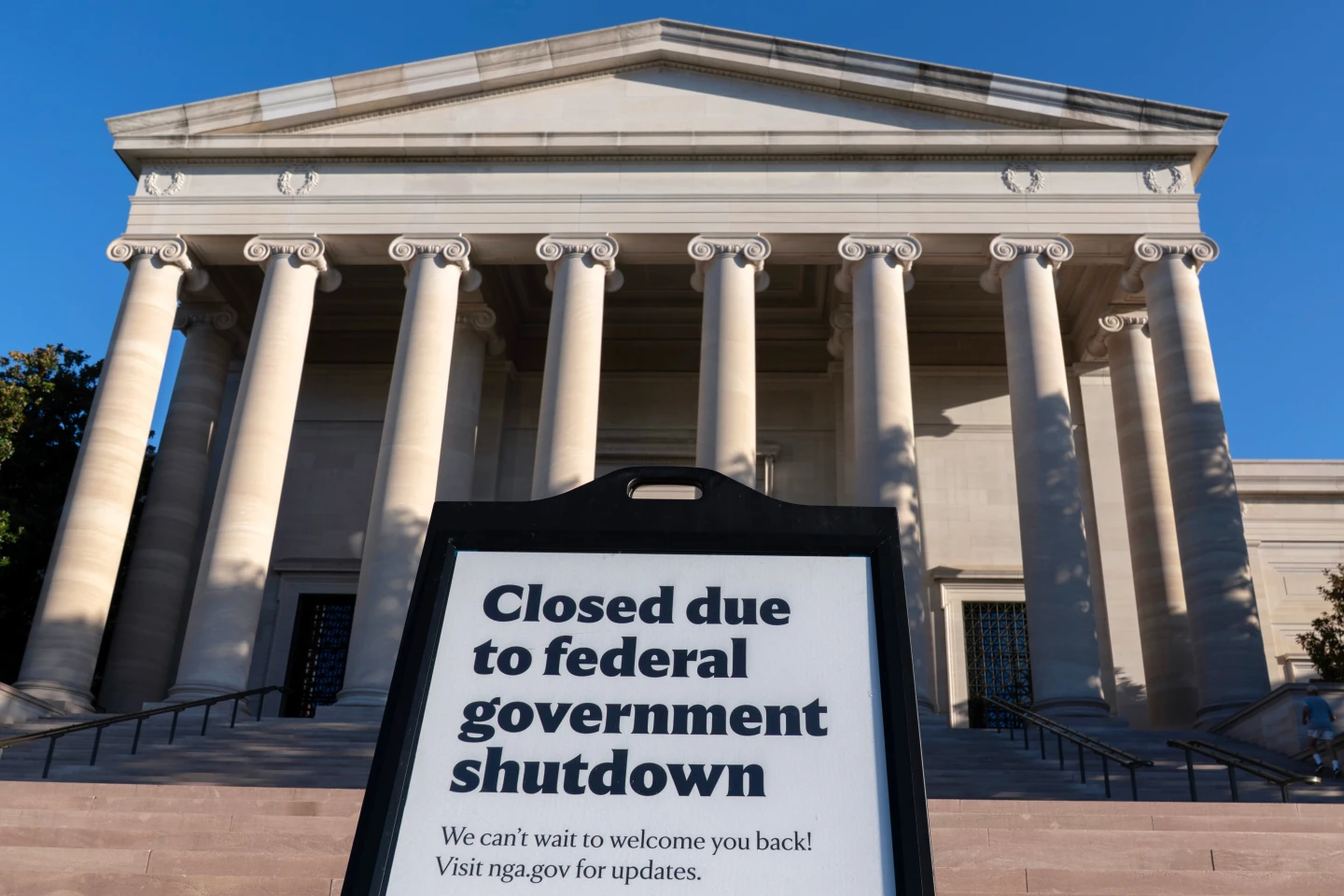
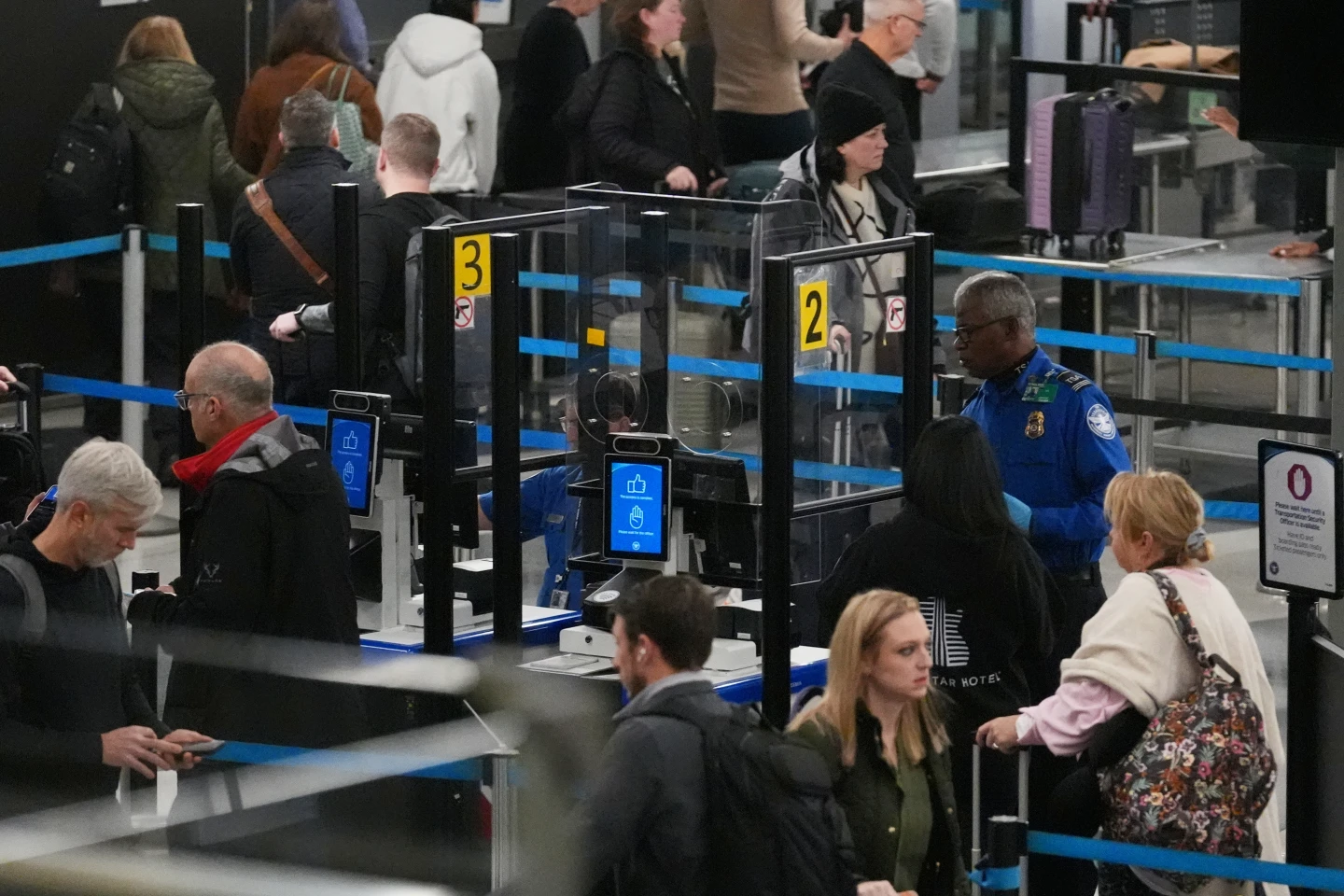
Approximately 1.4 million federal workers, including air traffic controllers and park wardens, are either working without pay or on forced leave due to the US Congress's failure to pass a federal funding budget. Unions indicate that many employees are becoming ill with stress or are compelled to take on second jobs.
On Wednesday, the impasse reached a record as the longest government shutdown in US history. Bedford noted the unusual nature of the flight reduction and the hard realities of controllers not being paid for over a month.
The flight reductions will be phased in, starting with a 4% cut on Friday, increasing to 5% on Saturday and 6% on Sunday, then fully implementing the 10% reduction next week, according to reports from unnamed sources.
Major airports set to be affected, including Hartsfield-Jackson Atlanta International, Dallas/Fort Worth International, and Los Angeles International, were expected to be disclosed on Thursday.
This could disrupt between 3,500 and 4,000 flights per day, while international flights are reported to remain unaffected.
Bedford emphasized the need to maintain safety and efficiency in air travel, warning of potential further restrictive measures if the shutdown persists and continues to pressure the system.
While some airlines, including American Airlines and Southwest Airlines, are assessing how the restrictions will impact their services, Delta Airlines has declined to comment on this ongoing situation. The American Airlines representative stated they are monitoring FAA updates to better inform their customers.
Once government funding stopped on October 1, most federal staff were sent home, and essential workers like controllers have been continuing their duties without compensation. The immediate repercussions of the shutdown have been considerable, with many airports facing staffing shortages since reception began.
Controllers have reported frustrations ranging from financial stress to safety concerns, noting a compromise in service predictability as many in the field move on to second jobs to make ends meet.
As officials push for an end to the shutdown, they urge Congress to reach an agreement to restore the National Airspace System to full capacity.
}