A day after the US Senate passed a spending bill to end the longest-ever government shutdown, the budget fight now moves to the House of Representatives. The lower chamber of Congress is expected to vote this week on the funding measure.
Unlike in the Senate, if House Republicans stay united, they don't need any Democrats to pass the budget. But the margin for error is razor thin.
Here are four potential hold-ups for the budget, before it can clear Congress and land on the president's desk for signing into law.
Will House Republicans budge on healthcare?
A key sticking point throughout the shutdown has been a desire on the part of Democrats to attach to the spending bill a renewal of tax credits that make health insurance less expensive for 24 million Americans.
Senate Republicans instead only agreed to offer Democrats a vote in December on whether to extend the subsidies – something they had already proposed weeks ago.
House Speaker Mike Johnson would not commit on Monday to allowing a vote in his chamber on the tax credits.
This entails a fair degree of political risk for Republicans, however. If they torpedo the subsidies, health coverage premiums could rocket for millions of people, handing Democrats a ready-made campaign issue for next year's midterm elections.
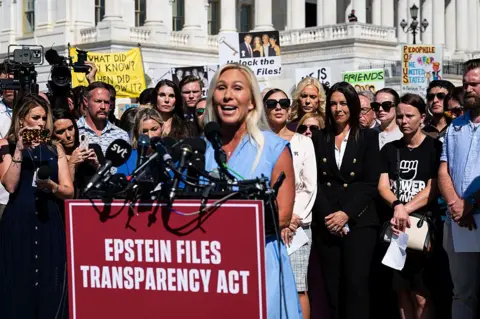
Marjorie Taylor Greene, a conservative Republican congresswoman from Georgia, has broken ranks with President Trump to warn that her party must ensure health insurance premiums do not spike.
As the clock ticks down to the subsidies expiring by the end of December, Republicans are working out their plan.
They want income caps on who can receive the tax credits and are proposing that tax dollars bypass insurance companies and go straight to individuals - although the details are unclear.
How intense will House Democratic opposition be?
Out of power in Washington, where Trump's Republicans control the House and Senate, Democrats appeared finally to have some political wind in their sails after election wins last week in Virginia, New Jersey, and New York City.
However, those victories, like the shutdown fight, have accentuated strategic tensions between the pragmatic and progressive factions of the party.
The Democratic left is furious at defectors who voted with Senate Republicans to pass the budget on Monday, seeing this as a capitulation to Trump.
From that wing of the party, Senator Bernie Sanders of Vermont denounced the retreat as a horrific mistake. California Governor Gavin Newsom called it surrender.
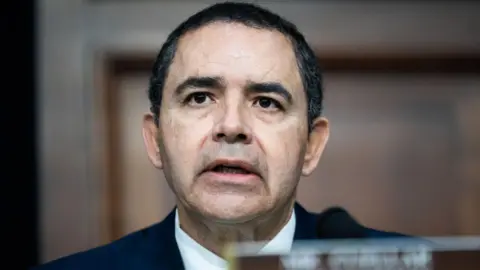
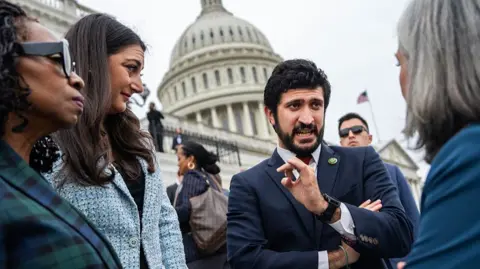
Congressman Greg Casar of Texas warned: A deal that doesn't reduce healthcare costs is a betrayal of millions of Americans counting on Democrats to fight for them.\
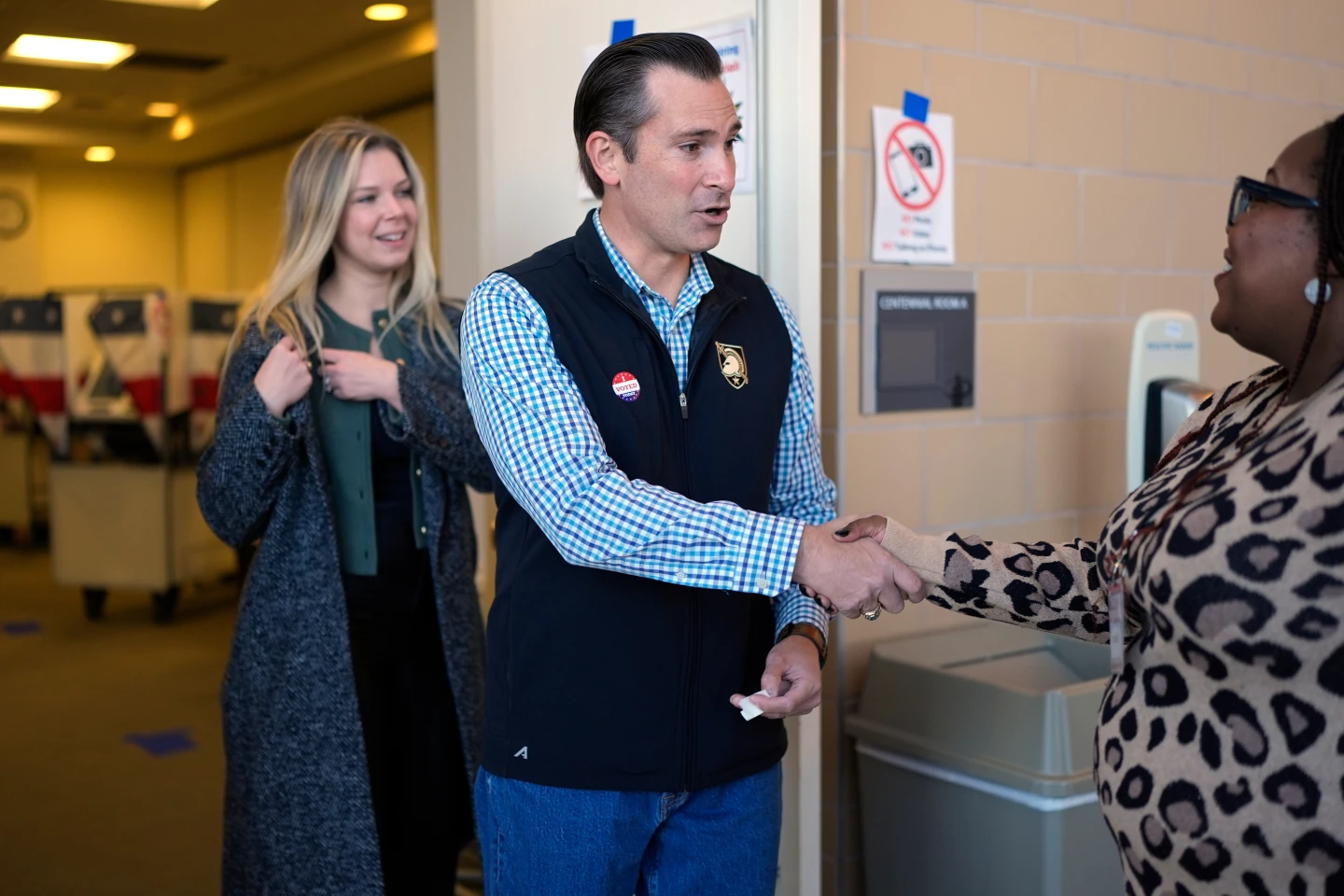
However, centrist lawmakers like Jared Golden of Maine could cross the aisle. His office indicated that he is likely to support the package.
Do Republicans have the votes?
Republicans control the House with 219 seats, giving them a slim margin of just two votes to pass the spending plan.
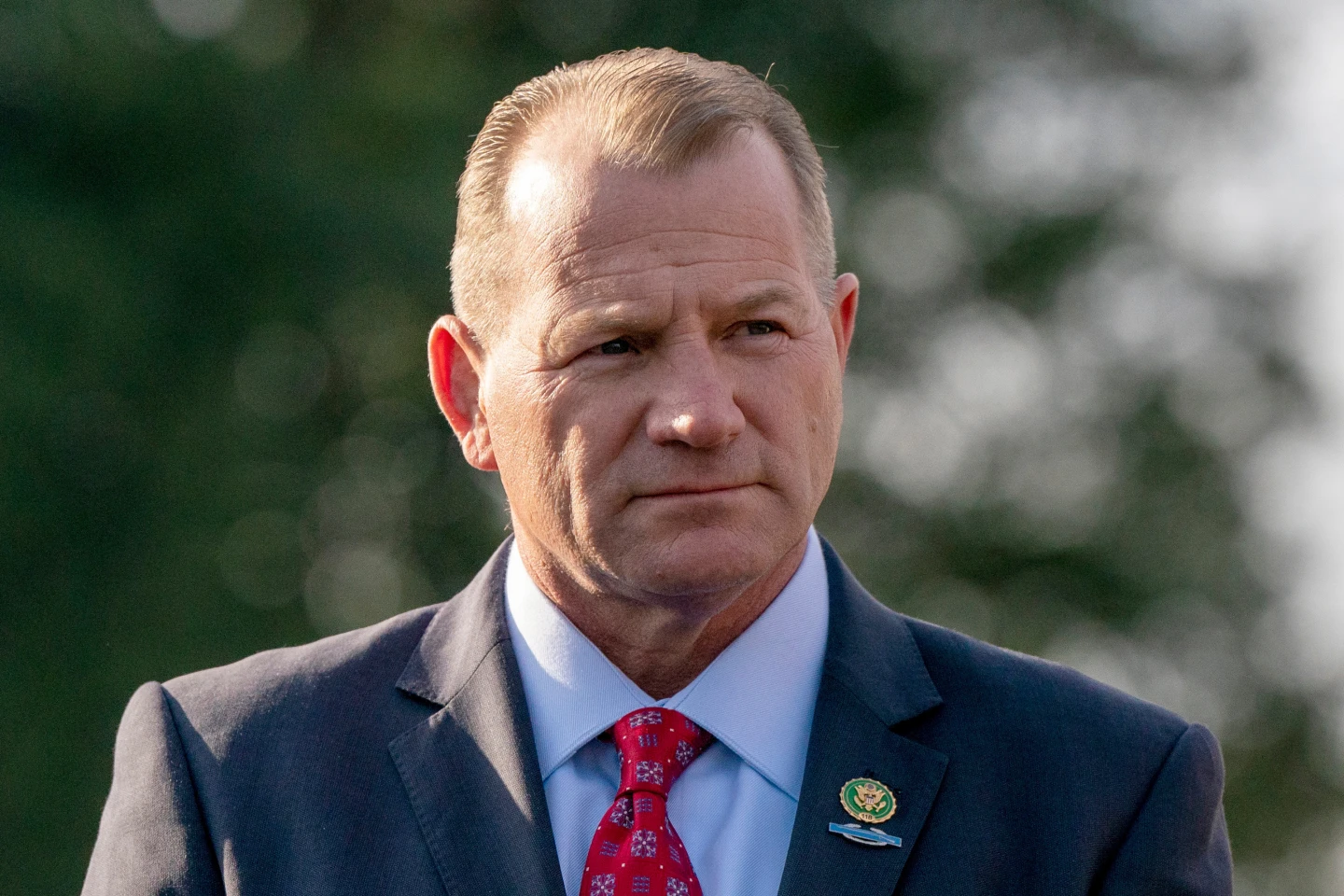
While most House Republicans are expected to support the funding package, fiscal hawks in the party are concerned about the federal deficit. Thomas Massie of Kentucky has voiced consistent opposition to stopgap funding extensions.
The proposed deal would add about $1.8 trillion a year to the national debt of $38 trillion. Opposition is strong among conservatives who are advocating for a budget that would enforce stricter spending limits.
Will travel chaos delay the return to Washington?
House Speaker Mike Johnson has kept the chamber out of session for the last seven weeks to pressure Senate Democrats. He now urges lawmakers to return immediately for a potential vote on Wednesday.
However, members of Congress face delays similar to those affecting the public. From Tuesday, flight reductions will accelerate by 6% due to staffing issues among air traffic controllers who have been unpaid during the shutdown.
Severe weather across the Midwest has also compounded the delays, making the urgency for a resolution even more pronounced.