In brief
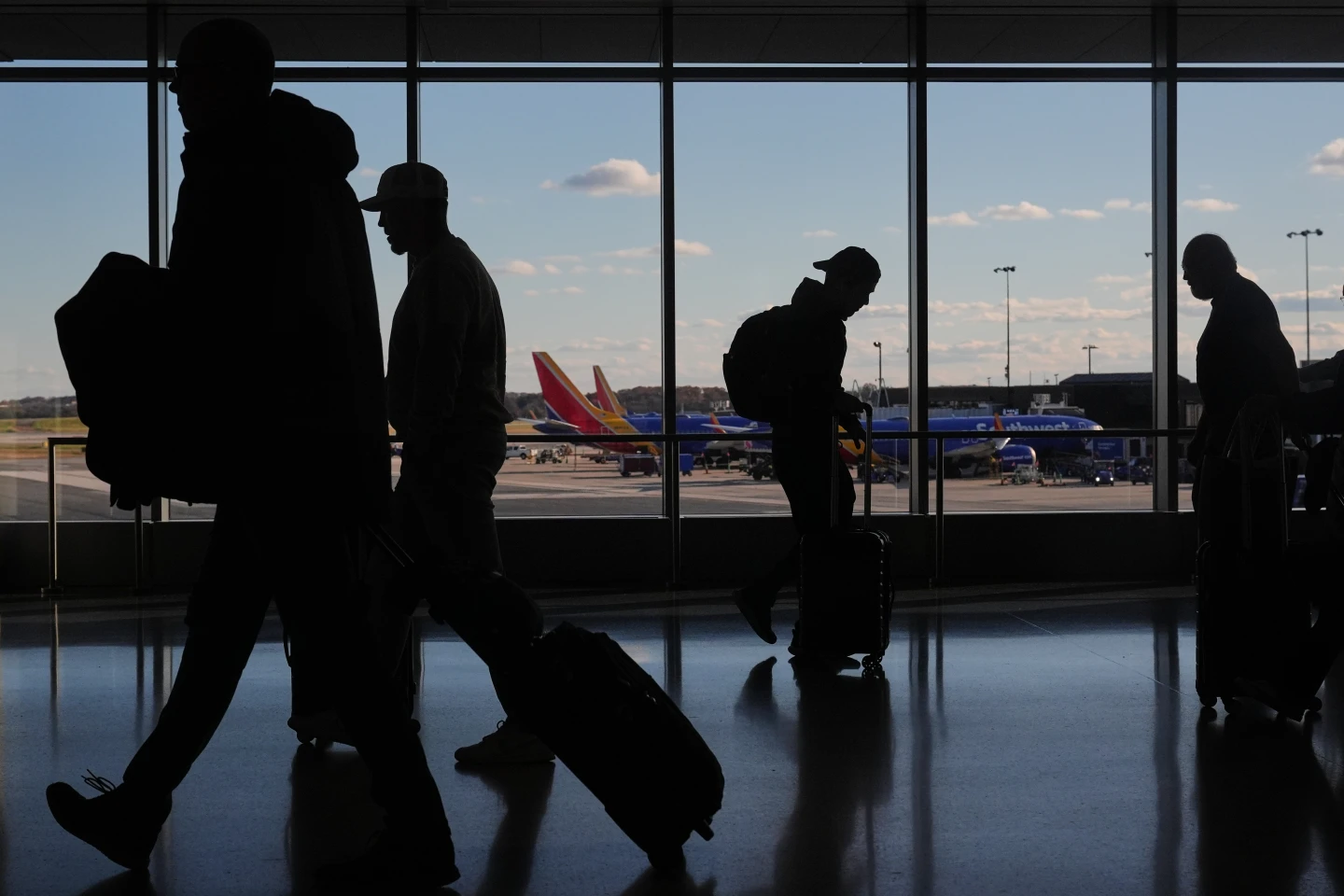
Airlines in the U.S. are facing a tumultuous period of cancellations and delays following a mandate from the FAA to reduce flights at major airports. This intensified disruption has recently affected thousands of travelers and is compounded by ongoing weather challenges and shortages in air traffic control staffing.
The Federal Aviation Administration (FAA) has mandated significant reductions in flight schedules at 40 of the busiest U.S. airports as part of an effort to stabilize air traffic amid an ongoing government shutdown. Despite airlines having already canceled more than 7,900 flights since the previous Friday, the agency has intensified its directive, increasing the required reduction from 4% to 6% for Tuesday and potentially to 10% by Friday.
Travelers continue to experience frustration, with delays extending for hours at Chicago O'Hare International Airport, where wintry weather has added complications. Operational bottlenecks are evident, as controller shortages have contributed to delays among flights headed for major destinations such as Phoenix and New York.
This government shutdown, which has left air traffic controllers unpaid and demoralized, is causing staffing issues that further impede the recovery of normal operations. The Senate has passed measures aimed at reopening the government; however, full passage in the House remains pending, prolonging the uncertainty in air travel.
Calls for drastic measures are also echoing from various sectors. Groups like the Patriotic Millionaires advocate for banning all private jet flights during the shutdown, suggesting a disparity between the travel experiences of wealthy individuals and average Americans facing cancellations.
As controllers stress over their financial futures and many contemplate taking second jobs, the impact of the shutdown goes beyond just inconvenience; it poses serious risks to air safety as controllers face increasing fatigue and pressure in a challenging work environment.