In brief
The longest government shutdown in U.S. history has left both Democrats and Republicans unsatisfied, with essential issues like health insurance provisions unresolved. The shutdown affected millions, including federal workers and food assistance programs, exacerbating economic and emotional stress for families. While bipartisan bills were agreed upon to fund critical areas, a larger resolution remains elusive for lawmakers as they push towards a more extended funding plan.
In Washington, D.C., the longest government shutdown in history, now at 43 days, is on the verge of ending, yet discontent lingers among both political parties. The Democrat-led demands for health insurance extensions went unmet, while Republicans faced substantial blame, especially given the disappointing outcomes in recent state and local elections.
The ramifications of this standoff have trickled down to millions of Americans, particularly federal employees who have endured payroll delays, alongside airline travelers who faced disrupted travel plans. Moreover, critical nutrition assistance programs halted, leading to increasing lines at foodbanks as the holiday season approaches.
While a spending agreement has been forged, primarily involving bipartisan initiatives from the Senate Appropriations Committee geared towards funding essential services, a larger, more comprehensive funding deal remains pending until late January. This additional time aims to allow lawmakers to finalize more spending bills, yet uncertainty looms over health insurance negotiations, particularly the preservation of a vital tax credit expiring soon.
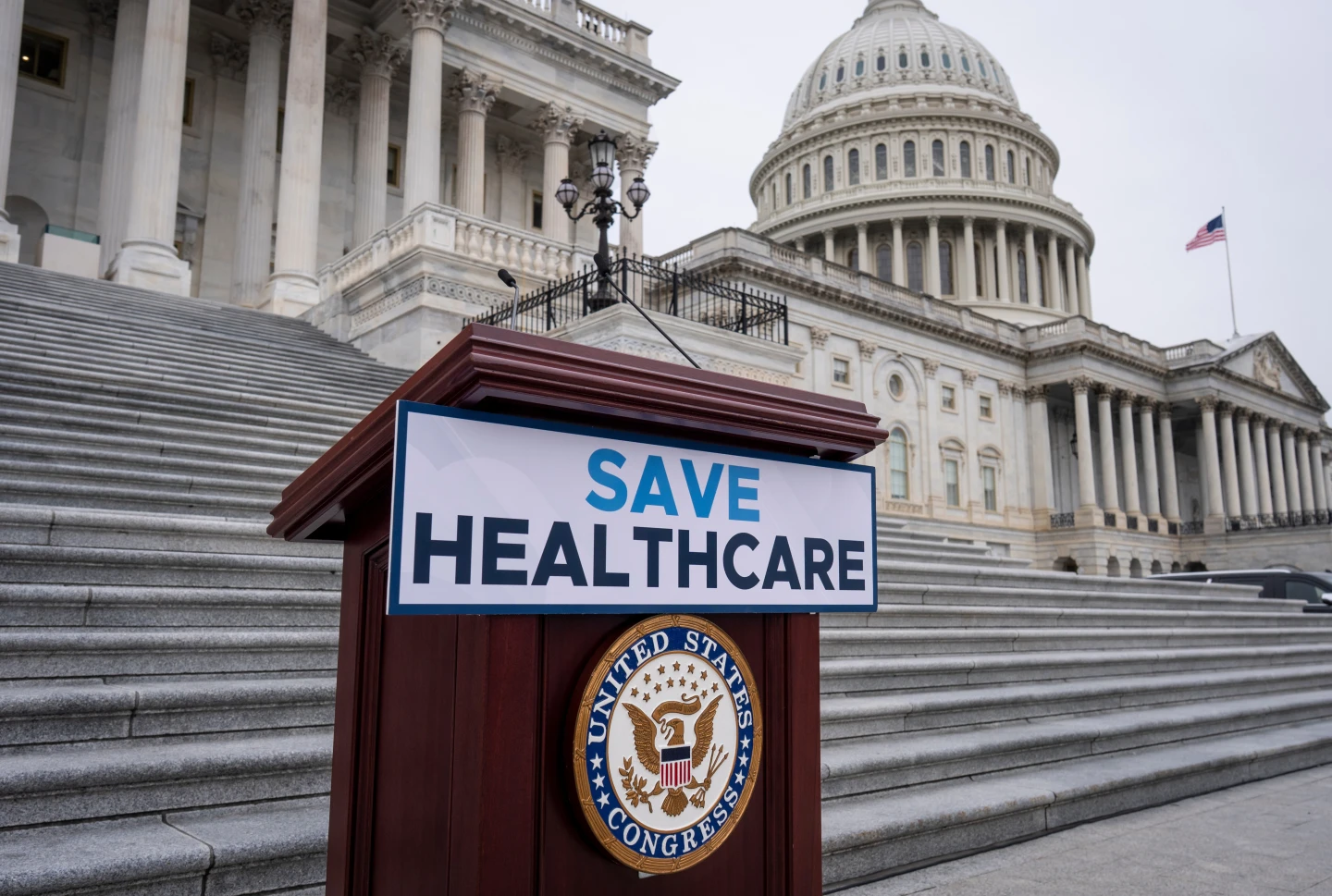
Democrats initiated talks centered on extending this tax credit, which has historically curtailed costs associated with health coverage available via the Affordable Care Act. Without intervention, the Congressional Budget Office predicts a sharp spike in health coverage costs and a steep rise in uninsured individuals come next year, echoing urgent calls for bipartisan collaboration.
Despite attempts to find a middle ground, conflicts arose, particularly between Democratic leadership and a faction of Republicans. GOP leaders necessitated a clear government operation before engaging in negotiations. In the backdrop, the political stakes remain immense, with both parties keenly observing public sentiment as they approach crucial elections.
A recent poll revealed that nearly six in ten Americans allocated significant blame to Donald Trump and Republican lawmakers for the unsettling situation, with a slightly less majority also holding Democrats accountable. Such perceptions highlight the growing dissatisfaction across the political spectrum and emphasize the urgent need for a cooperative approach to governance.
As the shutdown’s economic toll becomes evident, including impacts on the public sector and public services, key stakeholders express it not only poses immediate risks but sends a troubling message about U.S. reliability on the global stage. Lawmakers acknowledge that this ongoing dysfunction could impair the nation’s credibility and relationships with allies and adversaries alike, reinforcing the importance of substantive action to restore governance and trust in the political process.