In brief
Typhoon Dolphin struck Japan’s Okinawa on August 7, slamming 44,000 buildings, cutting power, and injuring five people as its 162‑km/h gales toppled trees. Flights to Naha International Airport were canceled and the storm’s strong winds caused a car to overturn. The Japan Meteorological Agency labeled it a very‑strong typhoon, warning of storm surges and lightning. It is now tightening its path toward China’s eastern coast, with Zhejiang's Ningbo airport shutting operations the following day and ports halted. As the Pacific’s hurricane season peaks, the strong El Niño year may explain the typhoon’s intensity and the heightened risk for coastal regions.
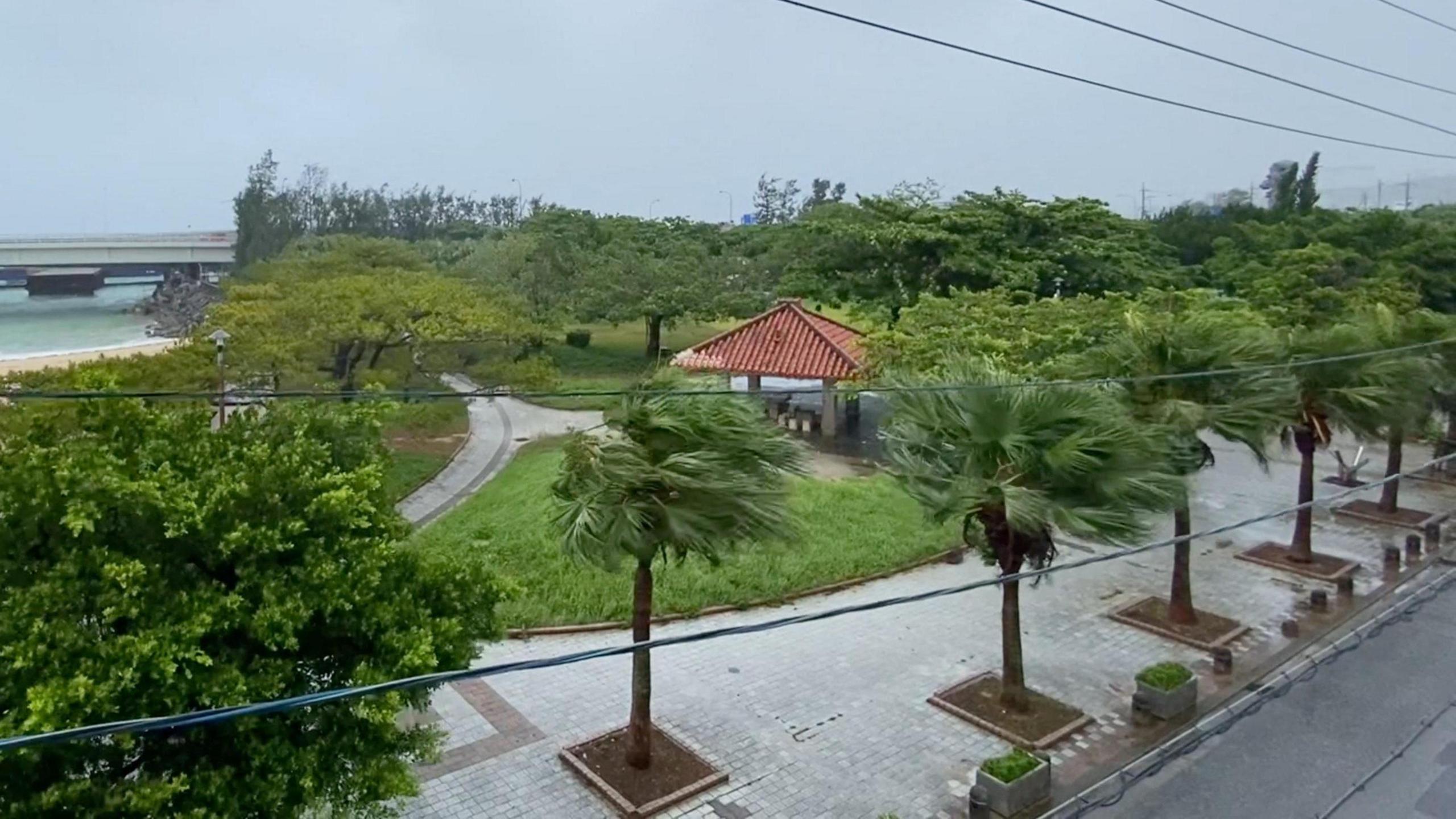
Typhoon Dolphin, hitting Japan’s Okinawa island on Saturday, brought gale‑force winds of 162 km/h (101 mph). The storm knocked out power in at least 44,000 buildings and left five elderly residents injured, mostly from falling trees.
Naha International Airport closed on Friday, canceling all inbound and outbound flights. Overhead, the Japan Meteorological Agency warned of high waves, storm surges and lightning as the typhoon’s threat level climbed to “very strong.”
In Nago city, trees were toppled and a car overturned, leaking oil into a parking lot. Residents underscored the need for rapid response as the storm whips through the islands of Okinawa and Amami.
Typhoon Dolphin is expected to reach China’s eastern coast late Sunday or early Monday. Zhejiang’s Ningbo Lishe International Airport halted operations after 23:30 local time on Saturday, and all flights were suspended on Sunday. Chinese authorities issued the highest‑level typhoon alert, shutting ports and ferry services in the province.
The western Pacific’s typhoon season, typically May–October, is intensified by the current strong El Niño, making storms more potent. Last season, an average of 25 tropical cyclones occurred, with about three making landfall in Japan; the strongest become typhoons like Dolphin. While “typhoon” designates storms in the north‑west Pacific, the term “hurricane” is used for those in the Atlantic or eastern Pacific.