In brief
In the Darfur city of El‑Fasher, the Rapid Support Forces have carried out a relentless campaign against health facilities, striking 43 sites from May 2024 to October 2025. 120 medical workers were injured, 55 were killed and 10 abducted, demonstrating a coordinated effort to destroy medical capacity. The United Nations and the World Health Organization have called the pattern a serious violation of international law. Residents and medics describe repeated shelling, drone strikes, and deliberate targeting that forced hospitals to relocate or close. As the RSF-controlled government reallocates resources, the city’s health infrastructure remains fragile, underscoring the broader impact of conflict on societal resilience and potential climate‑adaptation efforts.
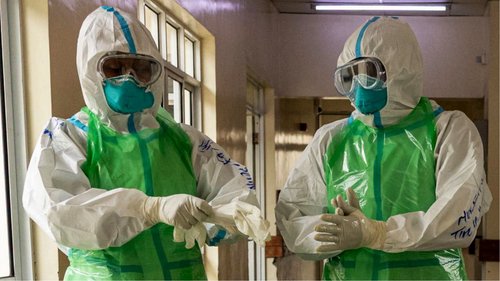
BBC investigators have presented clear evidence that soldiers of the Sudanese Rapid Support Forces deliberately targeted medical facilities in El‑Fasher during a year‑long siege. 43 separate assaults on hospitals and clinics between May 2024 and October 2025 have been recorded, with some sites hit multiple times. The strikes have included artillery, mortars and precision‑guided rockets, repeatedly blowing out power generators and destroying essential equipment.
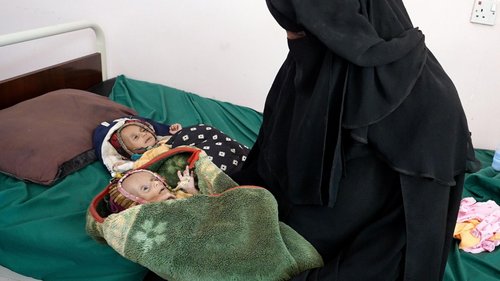
The humanitarian fallout is staggering: 120 doctors, nurses and support staff were wounded, 55 were killed and 10 were abducted or forced to disappear. County‑wide directories of casualties were documented by local doctors who survived the attacks. The violence has stripped El‑Fasher’s residents of basic medical care during periods of extreme environmental stress, including high temperatures, crop failures and a rising incidence of water‑borne diseases.
United Nations Human Rights chief Volker Türk has described the findings as “deeply disturbing”, noting that the systematic targeting of civilian infrastructure “may amount to war crimes.” The World Health Organization echoed that sentiment, condemning the February 2026 bombing of al‑Daein hospital in eastern Darfur, which killed dozens and forced the facility to shut. Under international law, hospitals lose protection if used for military operations; however, the RSF has denied any use of facilities for combat, while the government claims that the South Hospital was briefly used as a missile base.
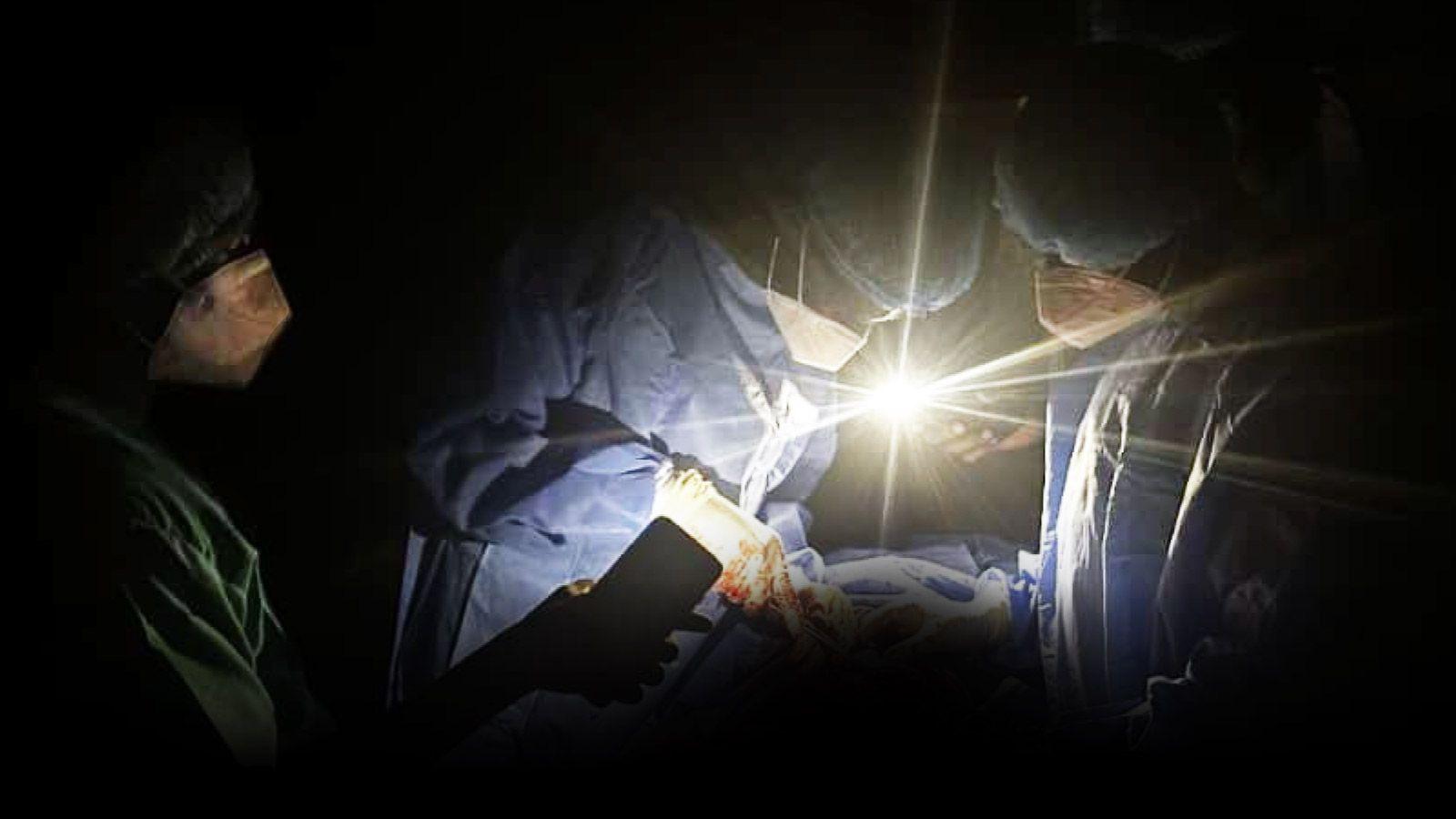
Resilience attempts by local medics have included constructing makeshift operating rooms behind sandbags, building underground bunkers from steel containers, and setting up temporary wards outside the city. Even amid this, the RSF’s drone surveillance frequently tracked patient movements, shooting at ambulances and transportation carts. One sortie on March 15, 2025, killed nine patients and staff as a drone struck the gate of a makeshift ward.
The RSF-backed administrative authority has since resumed operation of the Saudi Hospital and the teaching hospital, presenting them as functional and secure. Yet the underlying damage—ruined infrastructure, reduced workforce and fragmented supply lines—continues to hinder long‑term recovery.
El‑Fasher’s crisis illustrates a broader reality: when conflict destroys healthcare systems, communities lose one of their most vital buffers against environmental shocks. The loss of medical capacity compounds climate‑related risks, leaving vulnerable populations exposed to heat stress, disease outbreaks and food insecurity. International organisations and civil‑society actors must intensify support for rebuilding health infrastructure, ensuring it can absorb both armed violence and the growing pressures of climate change.