In brief
Japan's 2026 Asian Games in Nagoya faced a cascade of logistical and diplomatic blunders, from cramped container accommodation to misplaced anthems. The choice of a low‑cost contract with GL Events proved short‑sighted, as inexperienced staff amplified operational failures. Amid the chaos, the event offered a unique lesson: repurposing temporary container housing can reduce waste, but only if accompanied by robust planning and green transport solutions. Moving forward, organizers must balance cost savings with sustainability to preserve Japan’s reputation for world‑class hosting.
Hosts Chosen, Chaotic Execution
Japan has long been the showcase for hosting international spectacles, from the Olympics to large gaming conventions. Yet the 2026 Asian Games in Nagoya and Aichi Prefecture ran into a string of diplomatic blunders, transport errors and accommodation chaos that shook the nation’s reputation.
Container Accommodation: A Cost‑Saving Measure with Complications
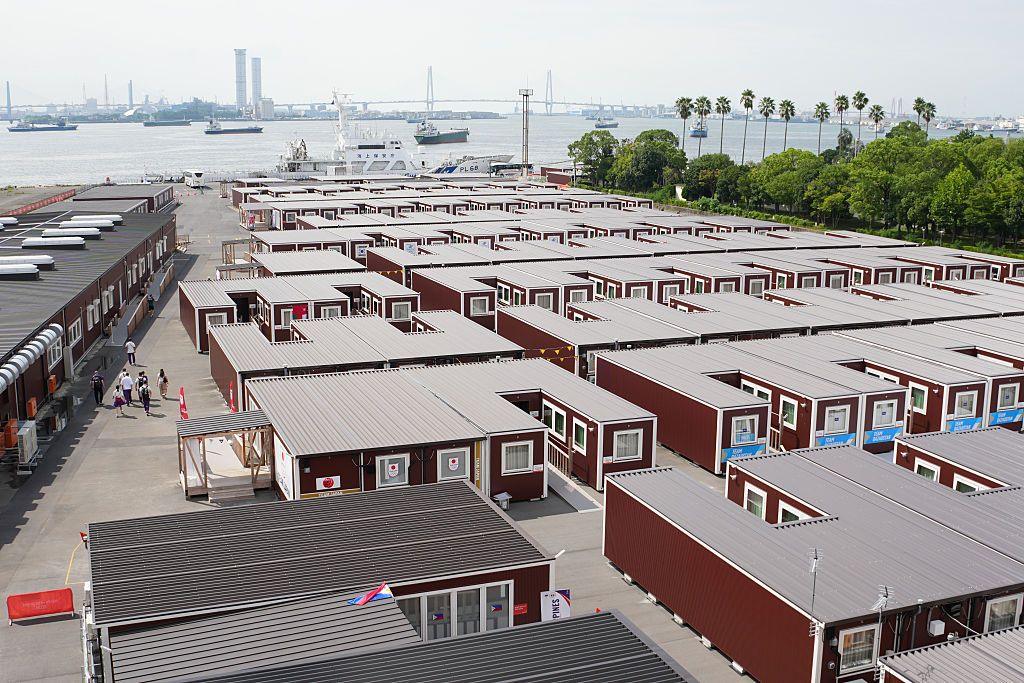
To save a 63bn‑yen (£306m) budget, organisers abandoned a traditional athletes’ village and spread athletes across hotels and container units. Shortages in accommodation capacity, last‑minute additions of participants, and complaints about cramped space—especially for taller athletes—demonstrated the risks of cutting corners. A Japanese cruise ship with 1,500 cabins was hastily hired as a stop‑gap solution, illustrating how temporary fixes can spike logistical complexity.
GL Events Contract and Labor Oversight
The broadcaster‑issued French subsidiary GL Events received the organising contract for being “overwhelmingly cheaper” than competitors. Critics cite aggressive cost‑cutting that left organisers with under‑trained crews. While GL Events claimed experience from the Paris Olympics, the breadth of responsibility they were given without sufficient supervision led to widespread supply‑chain mishaps.
Operational Blunders and Diplomacy in Disarray
From mis‑played anthems to missed flag‑raising ceremonies, the Games witnessed numerous faux pas that tarnished Japan’s image of hospitality. Marina‑style volunteers received invitations for free tickets that were later revoked, and the South Korean delegation was forced to issue an apology for a series of errors that rattled athletes’ morale.
From Waste to Opportunity: The Container Housing Insight
The use of shipping containers for temporary accommodation is an emerging practice in sustainable design, offering quick deployment, modularity and the potential for post‑event repurposing. However, the 2026 Japanese execution highlights the critical need for comprehensive planning: adequate spacing, healthcare facilities, and integrated waste management are non‑negotiable for athletes and supporters alike.
Future Imperatives for Mega‑Event Sustainability
Moving forward, event organisers must adopt a holistic, “omotenashi” approach that seamlessly blends cost efficiency with environmental stewardship. Priorities should include developing eco‑friendly transport hubs, leveraging renewable energy at venues, and designing modular accommodations with end‑of‑life reuse in mind. These steps will ensure that future Asian Games enhance, rather than compromise, Japan’s environmental credibility.
Ongoing Lessons for Para Games and Beyond
Even after the Games closed, glitches persisted in the Para Games, with again misplaced anthems and improper flag displays. The mayor of Nagoya publicly offered apologies, stressing that the venue’s sustainability credentials require urgent reassessment. As the world looks to megaprojects as climate pledges, robust, green planning is non‑negotiable.