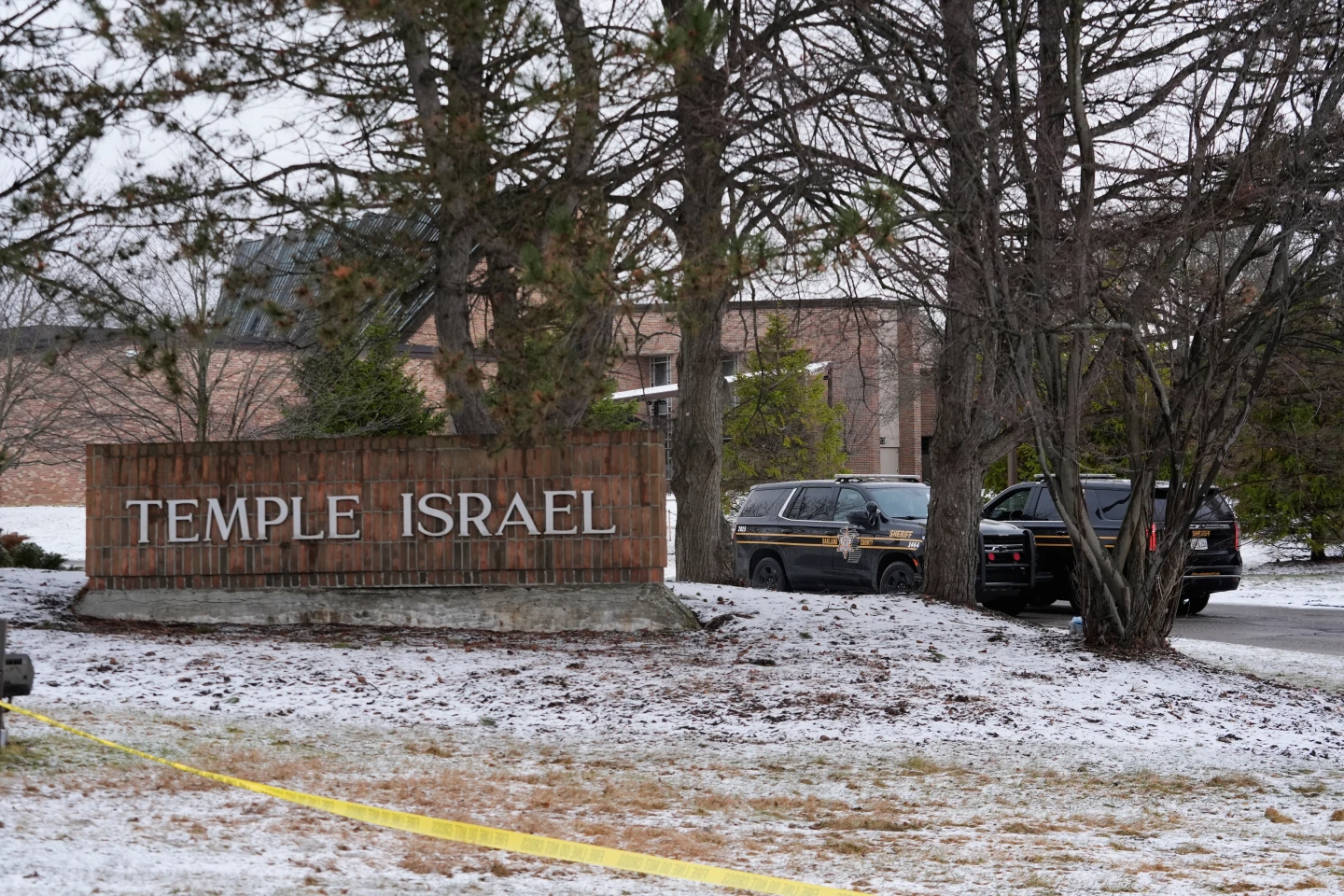
The ongoing conflict in the Middle East has created a challenging environment for American Jewish communities, prompting feelings of fear and division. In recent weeks, there have been deeply emotional reactions to rising antisemitic attacks. A recent incident where a man attacked a synagogue in Michigan underscores the urgent need to address these societal issues responsibly.
Rabbi Rick Jacobs of the Union for Reform Judaism expressed concern that American Jews should not be blamed for the actions of a foreign government, emphasizing the distinction between political criticism of Israel and acts of violence against Jewish individuals and institutions.
Peter Beinart, a well-known commentator, aligns with this sentiment, stating that although he opposes Israeli policies, he vehemently condemns acts of violence targeting Jewish communities. He believes that Americans sharing a Jewish background should not be held accountable for Israeli actions.
As the Jewish community confronts these rising tensions, conversations have emerged regarding the display of pro-Israel sentiments within synagogues. Some argue that expressing support through signs may make congregants more vulnerable to attacks, while others claim that this expression is vital to their identity.
Leaders within various Jewish organizations are stressing the need for a deeper understanding of these issues, emphasizing that while critiques of Israeli policies are valid, they should not morph into hatred or violence towards Jews. Community figures are calling for compassion and recognition of the complex relationship between Jewish identity and political sentiments regarding Israel.
Ultimately, while support for Israel remains a crucial part of many Jews’ identities, it is equally essential to voice dissent in a manner that prioritizes safety and mutual respect within the community.